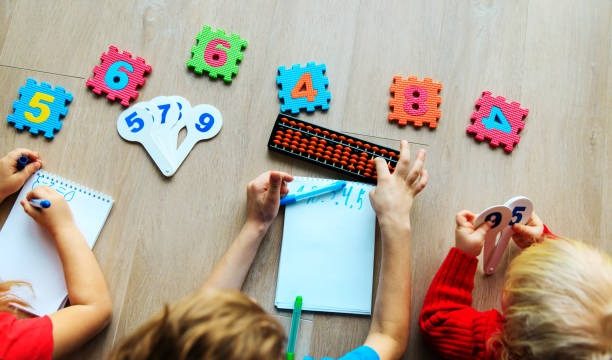
In the journey of learning, few things are as powerful as the magic of repetition.
This is particularly true when it comes to phonics, the cornerstone of reading and writing.
Phonics learning is not just about recognizing letters and sounds; it’s about creating connections that transform the way children engage with language. By embracing repetition, we can support phonics learning in a way that feels natural and nurturing, helping children build a solid foundation for their literacy journey.
The beauty of phonics lies in its simplicity. At its core, phonics teaches the relationship between sounds and written letters. This foundational skill is essential for reading fluency, and repetition plays a key role in mastering it. When children repeatedly encounter sounds and letters, they begin to internalize these connections. This internalization is akin to learning a melody; the more often you hear it, the more familiar it becomes.
Creating a rich phonics environment at home can be a delightful experience for both children and caregivers. Consider integrating phonics into daily routines in gentle, engaging ways. For instance, during storytime, choose books that emphasize phonetic sounds. As you read, take the time to pause and highlight the sounds of certain letters. This not only reinforces learning but also makes the reading experience interactive and enjoyable. The repetition of sounds in different contexts helps children recognize them more readily, building confidence as they learn.
Another lovely way to support phonics through repetition is by incorporating songs and rhymes. Children often respond positively to music, and phonetic songs can make learning fun. Singing about the sounds of letters or creating rhymes can turn what might seem like a chore into a joyful activity. Repetition in music helps solidify these sounds in a child’s memory, making it easier for them to recall them when needed. The rhythm of a catchy tune can linger in their minds, creating a lasting impact.
Engaging in playful activities can also enhance phonics learning. Games that involve sound recognition or letter identification can provide a fun and relaxed atmosphere for practice. For example, playing a game where children match pictures with their corresponding beginning sounds can reinforce phonics skills naturally. The repetition of these activities helps solidify understanding without the pressure of formal learning. Children often learn best when they are having fun, and repetition in playful contexts can make a world of difference.
Encouraging children to practice phonics through writing can also be beneficial. Simple activities, such as asking them to write their names or label objects around the house, can reinforce their understanding of sounds and letters. When children repeatedly engage in writing, they start to recognize patterns and improve their spelling skills. This process doesn’t need to be daunting; it can be as simple as using colorful crayons and paper to express themselves. The act of writing reinforces their learning and allows for creativity to flourish.
As children progress in their phonics journey, it’s essential to remain patient and supportive. Repetition is a gradual process, and every child learns at their own pace. Celebrate small victories along the way, whether it’s recognizing a new sound or reading a simple word independently. These moments of achievement can motivate children to continue exploring the world of phonics. Creating a nurturing environment where mistakes are viewed as opportunities for growth can foster a love for learning and literacy.
A gentle approach to repetition can also extend to the use of technology. There are numerous educational apps and programs designed to support phonics learning through engaging activities and interactive lessons. While screen time should always be balanced with other forms of learning, these tools can offer a fresh way to reinforce phonetic concepts. Many of these resources incorporate repetition in a fun, game-like format, making it easier for children to stay engaged and motivated.
In the midst of this phonics adventure, it’s important to remember the role of storytelling. Sharing personal stories or even creating new ones together can enhance a child’s understanding of language. Encourage children to tell their own tales, incorporating words they’ve learned. This process not only reinforces phonics skills but also nurtures their imagination and creativity. Repetition in storytelling can help children see how sounds and letters come together to form meaningful narratives.
Above all, the key to supporting phonics learning through repetition is to cultivate a love for language. This can be achieved by reading together, engaging in conversations, and exploring the world of words. When children feel excited about language, they are more likely to embrace the repetition that comes with learning. This excitement transforms the process from a task to a joyful exploration, allowing them to discover the wonders of reading and writing.
As we guide children on their phonics journey, let’s embrace the gentle rhythm of repetition. It’s not just about drilling facts; it’s about creating a warm and supportive environment where learning can flourish. By integrating phonics into everyday life, celebrating small achievements, and nurturing a love for language, we can help children build the skills they need to become confident readers and writers. With each repeated sound and letter, we are laying the groundwork for a brighter future filled with the joy of literacy.