Supporting Toddlers Through Learning Moments
As parents and caregivers, we often find ourselves navigating the beautiful yet unpredictable world of toddlerhood.
These early years are filled with exploration, curiosity, and a whirlwind of emotions.
Each day presents countless opportunities for learning, and as adults, our role is to support toddlers as they embrace these moments. Understanding how to nurture their growth can transform ordinary experiences into profound learning opportunities.
The essence of toddler learning lies in their natural curiosity. Every question they ask, every object they touch, and every new word they learn is a step toward understanding the world around them. This is where our support becomes essential. By creating an environment rich in exploration, we can help them develop critical thinking skills and a love for learning that will last a lifetime.
One of the simplest ways to support toddlers is by being present. This doesn’t mean just being physically nearby; it means engaging with them in their play. When you sit down on the floor with a toddler, you enter their world. You become a partner in their exploration. Whether they are stacking blocks, scribbling with crayons, or playing with dolls, your involvement can enhance their experience. Ask open-ended questions that encourage them to think and express themselves. Instead of simply saying, “That’s a blue block,” you might ask, “What do you think happens if we stack this block on top of that one?” This gentle prompting invites them to explore concepts of balance and gravity while also building their vocabulary.
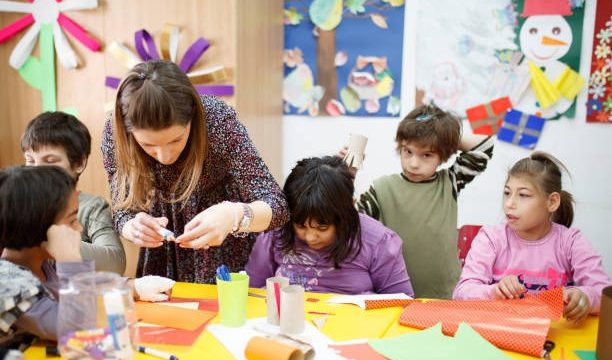
As toddlers grow, their interests may shift rapidly, often from one fascination to another. This can feel overwhelming, especially if you are trying to introduce structured learning. However, embracing their interests can lead to more effective learning moments. For instance, if a toddler is fascinated by dinosaurs, you might read books about them, visit a museum exhibit, or even create a simple dinosaur-themed art project together. By aligning learning with their passions, you foster a sense of joy and excitement in their educational journey.
While it’s essential to encourage exploration, it’s equally important to provide a sense of safety and routine. Toddlers thrive in environments where they feel secure. Establishing consistent routines helps them understand what to expect, which in turn allows them to focus on learning. Simple rituals, like a morning storytime or a winding down routine before bed, can create a comforting framework. Within this structure, there is room for spontaneous learning moments. If a toddler suddenly shows interest in the weather, for instance, you can step outside together to feel the wind, observe the clouds, or even collect leaves. These moments of connection and discovery are what make learning truly meaningful.
A gentle shift toward balance is also crucial in supporting toddlers. It’s easy to get caught up in the hustle of daily life, rushing from one activity to another. However, allowing time for unstructured play is vital. Unstructured play fosters creativity and imagination, allowing toddlers to explore their environment at their own pace. This kind of play often leads to unexpected learning opportunities. A simple box can become a spaceship, a fort, or a treasure chest. By stepping back and allowing them to lead their play, you give them the freedom to explore their ideas and develop problem-solving skills.
As toddlers begin to articulate their feelings and thoughts, it’s important to recognize and validate their emotions. Learning to express feelings is a significant part of their development. When they experience frustration, excitement, or sadness, acknowledging these emotions helps them understand themselves better. You might say, “I see you’re feeling upset. It’s okay to feel that way. Can you tell me what’s bothering you?” This approach nurtures emotional intelligence and teaches them that it’s okay to talk about their feelings.
Encouraging social interactions is another important aspect of a toddler’s learning journey. Playdates and group activities provide opportunities for them to learn cooperation, sharing, and empathy. These interactions help them understand the dynamics of relationships and develop essential social skills. As they engage with peers, they learn to navigate challenges, negotiate, and celebrate each other’s successes. These moments not only foster friendships but also create a sense of community and belonging.
In addition to fostering social skills, introducing toddlers to diverse experiences can expand their understanding of the world. This could be as simple as visiting a local park, attending community events, or exploring different cultures through food and stories. Exposing them to various perspectives nurtures open-mindedness and curiosity. It also instills a sense of appreciation for the diversity that surrounds us.
As we support toddlers through their learning moments, it’s essential to remember that every child is unique. Their pace of learning, interests, and emotional needs will vary. Patience is key. Allow them to explore, make mistakes, and learn from those experiences. Each stumble is a stepping stone toward growth. By offering encouragement and love, you create a foundation for lifelong learning.
In this beautiful dance of learning and growth, we are not just witnesses but active participants. Each moment spent nurturing a toddler’s curiosity is a chance to build a bond that will last a lifetime. As you support them through their learning moments, remember to cherish the journey. These early years are fleeting, but the impact of your support will resonate in their lives for years to come. Embrace the joy of discovery, and watch as your toddler flourishes in a world filled with endless possibilities.