In today’s fast-paced world, where convenience often takes precedence over health, the importance of education in fostering stronger health habits cannot be overstated.
The relationship between knowledge and lifestyle choices is profound, as the more we understand about our bodies and well-being, the better equipped we are to make informed decisions.
This article explores how education can be a powerful catalyst for nurturing healthier habits, ultimately leading to a more balanced and fulfilling life.
Understanding the Basics of Nutrition
At the heart of a healthy lifestyle lies nutrition. Yet, many individuals find themselves overwhelmed by the abundance of information available. Educational initiatives that simplify the principles of nutrition can make a significant difference. When we learn about the essential nutrients our bodies need—like vitamins, minerals, proteins, and healthy fats—we begin to appreciate the impact of our food choices.
Imagine a workshop that encourages participants to explore local farmers’ markets. This hands-on experience not only introduces them to fresh produce but also imparts knowledge about seasonal eating and the benefits of organic options. Such educational outings can transform the way we view food, encouraging a shift from processed meals to wholesome, nourishing options.
A small shift toward balance
Health isn’t just about what we eat; it also encompasses our daily habits and routines. Education that focuses on balance can help individuals cultivate a lifestyle that harmonizes physical, mental, and emotional well-being. For instance, introducing concepts like mindfulness and stress management in schools or community centers can empower individuals to recognize the importance of mental health in their overall wellness.
Practices such as yoga or meditation can be integrated into educational programs to teach stress reduction techniques. When individuals understand the connection between stress and physical health, they are more likely to adopt practices that promote relaxation and resilience. This holistic approach to education nurtures a more comprehensive understanding of health, encouraging individuals to prioritize self-care.
Fostering Physical Activity
Physical activity is another cornerstone of health that education can effectively promote. Schools and communities that prioritize physical education create environments where movement is celebrated and integrated into daily life. Instead of viewing exercise as a chore, individuals can learn to appreciate it as a joyful part of their routine.
Programs that encourage outdoor activities—like hiking, cycling, or team sports—can instill a love for movement. When people are educated about the benefits of staying active, they are more likely to seek out opportunities for exercise in their daily lives. By making physical activity fun and engaging, we can foster a culture that values movement, ultimately leading to healthier lifestyles.
The Role of Technology
In our digital age, technology plays a dual role in education and health. While it can sometimes contribute to sedentary behavior, it also offers incredible resources for promoting healthier habits. Online platforms provide access to a wealth of information about nutrition, fitness, and wellness.
Educational apps can guide users in tracking their food intake, setting fitness goals, and learning about new recipes. The key is to harness technology positively, using it as a tool to enhance our understanding of health. By encouraging individuals to engage with these resources, we can help them take ownership of their health journey.
Community Engagement
Education that fosters health habits thrives in community settings. Local initiatives that promote health education can create supportive networks where individuals feel empowered to make positive changes. Workshops, health fairs, and community cooking classes can all serve as platforms for sharing knowledge and building connections.
When people come together to learn about nutrition or fitness, they often feel more motivated to adopt healthier habits. The sense of community can provide accountability and encouragement, making the journey toward better health a shared experience. This collective approach not only enhances individual well-being but also strengthens community ties.
Empowering Future Generations
Investing in health education for children and adolescents is essential for building a healthier future. Schools that incorporate comprehensive health education into their curriculum can lay the foundation for lifelong healthy habits. By teaching kids about nutrition, physical activity, and mental well-being, we equip them with the tools they need to navigate their health as they grow.
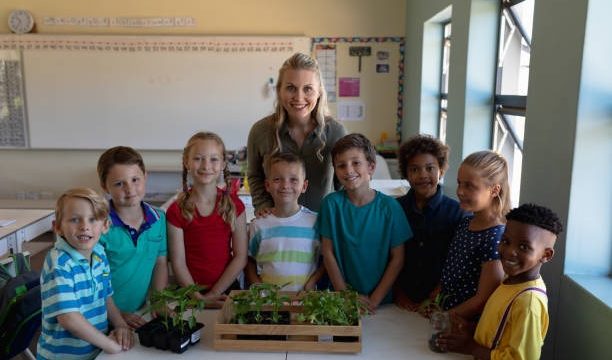
Programs that engage students in hands-on learning—such as gardening, cooking classes, or fitness challenges—can spark a passion for health that lasts a lifetime. When children learn about the importance of taking care of their bodies and minds, they are more likely to carry those values into adulthood.
Creating a Culture of Wellness
Ultimately, the goal of fostering health habits through education is to create a culture of wellness. When health becomes a shared value within families, schools, and communities, individuals are more likely to adopt healthier lifestyles. Education can serve as the foundation for this cultural shift, encouraging open conversations about health and well-being.
As we prioritize health education, we pave the way for a future where healthy choices are the norm rather than the exception. By fostering an environment where knowledge is shared and celebrated, we can inspire individuals to take charge of their health in meaningful ways.
In conclusion, education is a powerful tool that can encourage stronger health habits. By simplifying nutrition, promoting balance, fostering physical activity, leveraging technology, engaging communities, empowering future generations, and creating a culture of wellness, we can inspire individuals to embrace healthier lifestyles. The journey toward better health begins with knowledge, and as we share this knowledge, we can collectively move toward a brighter, healthier future.