Education is often heralded as the cornerstone of personal development, but its impact stretches far beyond individual growth.
It weaves a rich tapestry that shapes social opportunities, influencing everything from career paths to community engagement.
When we delve into the intricate relationship between education and social mobility, we find that it serves as both a bridge and a barrier, connecting individuals to a broader world of possibilities.
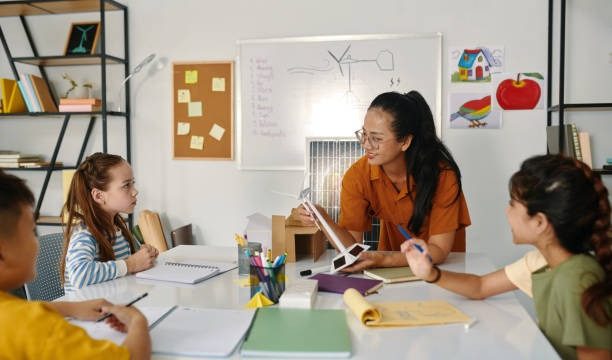
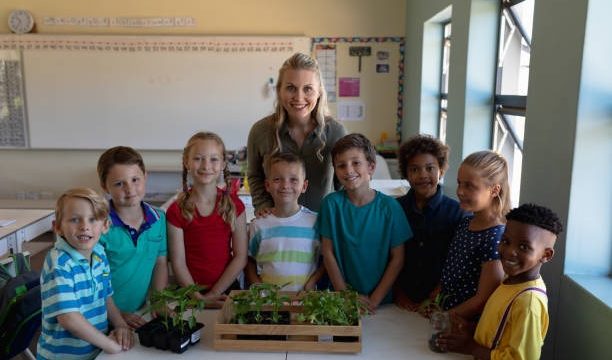
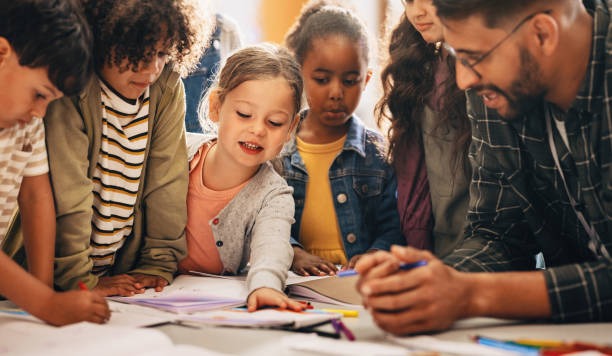
The foundation of education starts early in life. From the moment children enter school, they are introduced to a myriad of ideas, cultures, and social dynamics. These formative years are crucial, as they set the stage for how young minds perceive their potential and the opportunities that lie ahead. A nurturing educational environment fosters curiosity and encourages students to explore their interests, ultimately shaping their aspirations and ambitions.
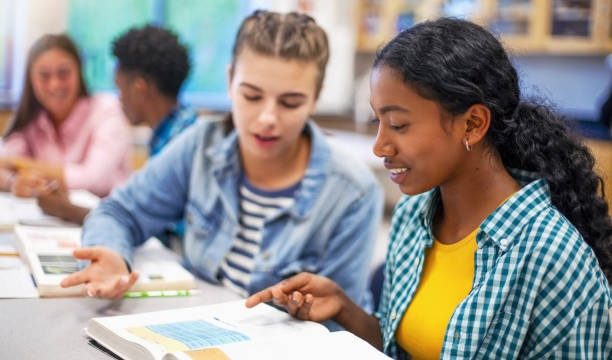
As children progress through their educational journey, they encounter diverse perspectives that can expand their understanding of the world. This exposure is vital for cultivating empathy and social awareness. Students learn not only from textbooks but also from their peers, teachers, and the communities surrounding them. Such interactions can empower them to envision a future filled with possibilities, leading to more informed choices about their own paths.
Transitioning from education into the workforce is a significant leap that many young adults face. The skills and knowledge gained during their academic years play a crucial role in determining their employability. Higher education often opens doors to professions that require specialized training or advanced degrees. However, it’s essential to recognize that not all educational pathways are created equal. Disparities in access to quality education can create a chasm that separates individuals based on socioeconomic status, race, and geography.
In this context, education is both a tool of empowerment and a potential source of inequity. Those who have access to high-quality education often find themselves with greater social capital, enabling them to network and build connections that can lead to job opportunities. Conversely, individuals who come from underfunded educational systems may struggle to compete in a job market that increasingly values credentials and experience. This imbalance can perpetuate cycles of poverty and limit social mobility for entire communities.
A small shift toward balance is needed to address these disparities. Community initiatives and educational programs aimed at bridging the gap can provide invaluable support to underrepresented groups. Mentorship programs, scholarships, and vocational training opportunities can empower individuals to pursue their dreams, regardless of their background. By investing in education at all levels, society can help level the playing field, ensuring that everyone has a fair chance to succeed.
The role of education extends beyond individual achievement; it also shapes the fabric of society. An educated populace is often more engaged in civic activities, from voting to volunteering. Education cultivates critical thinking and encourages individuals to participate in discussions about important social issues. When people are informed and empowered, they are more likely to advocate for positive change in their communities.
Moreover, education fosters a sense of belonging. Schools and universities often serve as melting pots where students from various backgrounds come together. This interaction not only enriches the educational experience but also builds social networks that can last a lifetime. Friendships formed in these settings can lead to collaborative efforts in professional realms, creating a ripple effect of opportunities that benefit not just individuals but entire communities.
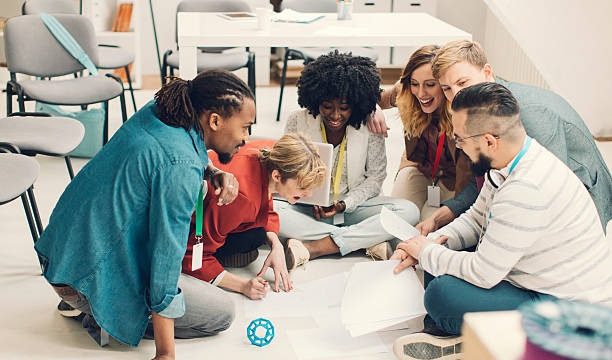
As we navigate an ever-evolving job market, the importance of lifelong learning becomes evident. Education is not confined to the classroom; it is a continuous journey that adapts to the changing landscape of work and society. Embracing opportunities for professional development, online courses, and skill-building workshops allows individuals to remain competitive and relevant. In this way, education becomes a lifelong ally, equipping people with the tools they need to seize new opportunities as they arise.
In a world that often feels divided, education can be a unifying force. It encourages dialogue, fosters understanding, and promotes collaboration across different demographics. When individuals come together in educational settings, they often discover common ground, breaking down barriers that may have previously separated them. This shared experience can lead to stronger communities, where people support one another in their pursuits.
While education undoubtedly shapes social opportunities, it’s essential to acknowledge that it is not the sole determinant of success. Personal drive, resilience, and the ability to adapt to challenges also play crucial roles in shaping one’s path. However, access to quality education remains a fundamental pillar that can significantly enhance an individual’s potential.
In conclusion, the relationship between education and social opportunities is complex yet profoundly impactful. By nurturing a culture of learning and ensuring equitable access to educational resources, we can create a society where everyone has the chance to thrive. Education has the power to transform lives, build connections, and pave the way for a brighter future. As we continue to champion the cause of lifelong learning, we not only invest in individual success but also in the collective well-being of our communities. In this shared journey, every step taken toward educational equity is a step toward a more inclusive and prosperous society.