Supporting Children Through Creative Exploration
In the bustling rhythm of everyday life, it’s easy to overlook the simple joys of childhood exploration.
As parents and caregivers, we often find ourselves caught up in schedules, responsibilities, and the demands of modern living.
However, nurturing a child’s creativity can be one of the most rewarding aspects of parenting. Encouraging creative exploration allows children to express themselves, develop critical thinking skills, and build resilience, all while having fun.
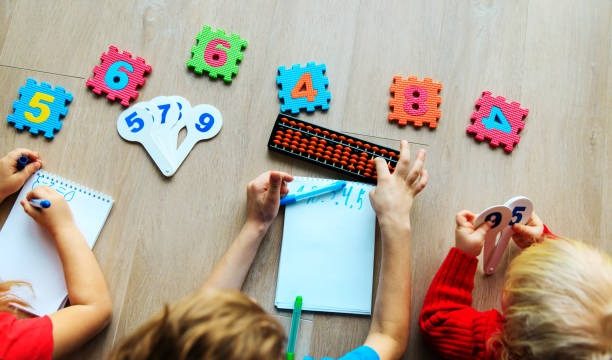
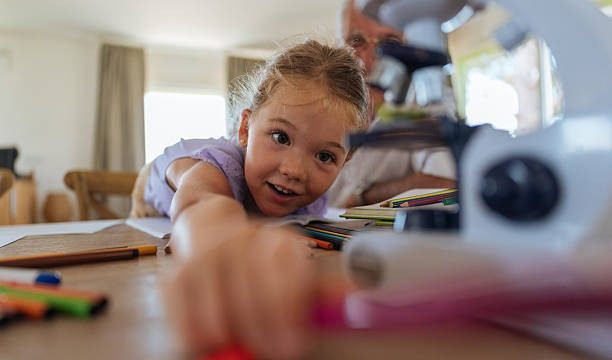
Creativity is a natural part of childhood. From the moment they can grasp a crayon, children begin to explore their imagination. They create worlds with their drawings, tell stories with their toys, and experiment with sounds and movements. These activities may seem trivial, but they are vital to a child’s development. By supporting these creative endeavors, we can help children build a strong foundation for lifelong learning and self-discovery.
Creating a nurturing environment is essential for fostering creativity. A space that feels safe and inviting can encourage children to express themselves freely. This doesn’t mean you need to set up an elaborate art studio in your home. Sometimes, a simple corner with art supplies, books, or musical instruments can spark a child’s imagination. It’s about making creativity accessible and allowing them to experiment without fear of judgment.
Encouraging imaginative play is another essential aspect of supporting creative exploration. Children thrive when they can engage in pretend play, whether they are donning capes as superheroes or setting up a restaurant with their toys. This type of play nurtures problem-solving skills and social interactions, allowing children to step into different roles and perspectives. As caregivers, we can join in on the fun, providing encouragement and participating in their imaginative scenarios. This not only deepens our bond with them but also shows them that their creativity is valued.
Artistic expression is also a wonderful avenue for children to explore their feelings and thoughts. Drawing, painting, and crafting can serve as powerful tools for emotional expression. When children create art, they often communicate what they might find difficult to verbalize. Instead of focusing solely on the outcome, it’s important to emphasize the process. Celebrate the joy of creation, regardless of the final product. This encourages children to take risks and embrace their individuality.
The outdoors can also be a fantastic canvas for creativity. Nature offers endless opportunities for exploration and inspiration. Whether it’s collecting leaves, observing insects, or building forts from sticks, outdoor play fosters a sense of wonder. Nature can spark curiosity and imagination, allowing children to connect with their environment. Encourage them to ask questions, make observations, and create stories based on their experiences. The world outside is a treasure trove of inspiration waiting to be discovered.
A small shift toward balance can make a significant difference in how we approach creative exploration with children. In our fast-paced world, it’s easy to fall into the trap of structured activities and scheduled playdates. While these can be beneficial, it’s equally important to allow unstructured time for creativity to flourish. Give children the freedom to explore their interests without the constraints of a timetable. This can lead to unexpected discoveries and a deeper connection to their passions.
Listening to children and valuing their ideas is a crucial part of supporting their creative journeys. When they share their thoughts, whether about a story they want to tell or a project they wish to undertake, take the time to engage with them. Ask open-ended questions that encourage deeper thinking and exploration. This not only helps children feel heard but also fosters a sense of confidence as they articulate their ideas.
Incorporating creativity into everyday activities can also enrich a child’s experience. Cooking together, for instance, can be a delightful way to explore creativity. Allowing children to help with meal preparation or experimenting with new recipes can transform a mundane task into an exciting adventure. They can learn about flavors, textures, and even basic math concepts through measuring ingredients, all while having fun in the kitchen.
Music and movement are other avenues for creative exploration that can be easily woven into daily routines. Singing songs, dancing, or even creating simple rhythms with household items can provide an outlet for expression. Music has a unique ability to connect emotions and can serve as a joyful way for children to explore their feelings. Encourage them to create their own songs or dances, celebrating their unique interpretations of rhythm and melody.
As children grow, their creative interests may evolve. It’s essential to remain supportive and open to their changing passions. Whether they gravitate towards painting, writing, or building, providing them with the resources and encouragement to pursue their interests is vital. Attend events related to their passions, provide materials, or simply engage in conversations about their evolving creativity. Your support can be a guiding light as they navigate their creative journeys.
Ultimately, supporting children through creative exploration is about fostering an environment where they feel safe to express themselves. It’s about celebrating their individuality and encouraging their imagination to soar. By creating spaces for artistic expression, engaging in imaginative play, and embracing the beauty of unstructured time, we can nurture their creativity and help them grow into confident, innovative thinkers.
As we cherish these moments of exploration, let us remember that creativity is not just an activity; it’s a way of seeing the world. By encouraging children to embrace their creativity, we are equipping them with the tools to navigate life with curiosity, resilience, and joy. So, let’s take a step back, breathe, and allow the magic of creative exploration to unfold in their lives.