In today’s fast-paced world, technology has woven itself into the very fabric of our daily lives.
From the moment we wake up to the sound of our smartphones buzzing with notifications to the late-night scrolls through social media feeds, modern technology is omnipresent.
One area where its influence is particularly profound is in the realm of learning. As we step into this new era of education, it’s worth exploring how these advancements shape not just what we learn, but how we learn.
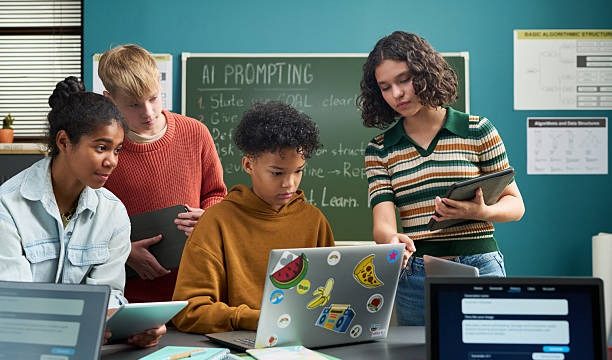
The evolution of educational tools has been remarkable. Gone are the days when learning was confined to dusty textbooks and chalkboards. Now, the internet provides a wealth of information at our fingertips, allowing us to explore virtually any topic imaginable. With a few clicks, we can access lectures from top universities, tutorials on coding, or even a masterclass in cooking from a renowned chef. This accessibility has democratized education, breaking down barriers that once limited knowledge to a select few.
A small shift toward balance is evident as we see technology enhancing our learning experiences. Online courses and learning platforms offer flexibility that traditional classrooms often cannot. Whether you’re a busy professional looking to upskill or a parent seeking resources for your child, the ability to learn at your own pace, on your own schedule, opens doors to lifelong learning. The convenience of online education allows us to fit learning into our lives rather than the other way around.
However, while technology offers numerous benefits, it also presents challenges that we must navigate thoughtfully. The allure of endless information can sometimes lead to overwhelm. With so many resources available, it’s easy to feel lost in a sea of content, unsure of where to focus our attention. This is where the importance of curating our learning experiences comes into play. By selecting reputable sources and setting specific goals, we can harness the power of technology without succumbing to the chaos of information overload.
The rise of interactive learning tools is another exciting development. Virtual reality (VR) and augmented reality (AR) are transforming the way we engage with educational content. Imagine exploring ancient ruins through a VR headset or conducting science experiments in a virtual lab. These immersive experiences not only make learning more engaging but also enhance retention by allowing learners to connect with the material on a deeper level. This shift toward experiential learning encourages curiosity and fosters a sense of wonder, making education a journey rather than a destination.
Moreover, technology has facilitated collaboration in ways we never thought possible. Students from different corners of the globe can now work together on projects, share ideas, and learn from one another’s perspectives. This global classroom not only enriches the learning experience but also cultivates empathy and understanding among diverse cultures. The ability to connect with others who have different backgrounds and viewpoints is invaluable, as it prepares us for a world that is increasingly interconnected.
In addition to collaboration, technology has also made personalized learning more attainable. Adaptive learning platforms use algorithms to tailor educational experiences to individual needs, allowing learners to progress at their own pace. This individualized approach recognizes that everyone learns differently, promoting a sense of agency and empowerment in the learning process. By focusing on strengths and addressing weaknesses, we can create a more effective and fulfilling educational journey.
Yet, as we embrace these modern advancements, it’s crucial to remain mindful of the potential downsides. The digital age brings with it distractions that can hinder our ability to focus and absorb information. Social media notifications and the temptation to multitask can fragment our attention, making deep learning more challenging. Establishing boundaries around technology usage can help create a healthier balance. Designating specific times for learning and minimizing distractions during these periods allows us to fully engage with the material and maximize our learning potential.
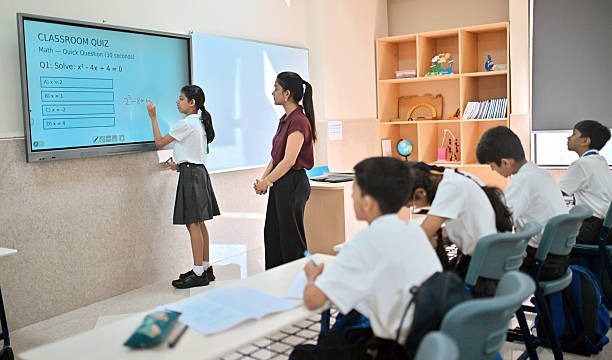
Another aspect to consider is the importance of human connection in the learning process. While technology enhances our access to information, it cannot replace the value of personal interaction. Whether through group discussions, mentorship, or face-to-face collaboration, the social aspect of learning plays a vital role in our development. Building relationships with peers and educators fosters a supportive environment that encourages exploration and growth. As we integrate technology into our learning experiences, let’s not forget to prioritize these human connections.
The impact of modern technology on learning is a complex tapestry woven with both opportunities and challenges. As we navigate this landscape, it is essential to approach it with intention and mindfulness. By embracing the tools available to us while remaining grounded in our human connections, we can create a balanced and enriching learning experience.
In the end, technology is a powerful ally in our quest for knowledge. It has the potential to transform how we learn, making education more accessible, engaging, and personalized than ever before. However, it’s essential to be conscious of our relationship with technology, ensuring that it serves as a means to enhance our learning rather than distract from it. As we move forward, let us embrace the possibilities that modern technology presents while nurturing the timeless aspects of learning that connect us all. After all, the journey of learning is not just about acquiring knowledge; it’s about growing as individuals and as a community.