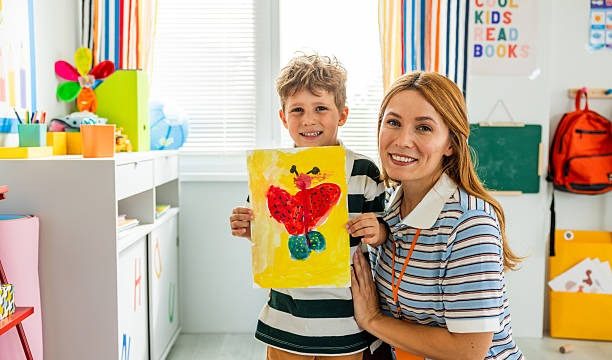
In a world that often feels fast-paced and overwhelming, the early years of a child’s life are a precious time for growth, exploration, and learning.
Early childhood education plays a crucial role in this developmental phase, fostering not only intellectual capabilities but also a sense of independence that can shape a child’s future.
Understanding how these formative experiences nurture autonomy can provide valuable insights for parents and educators alike.
The journey toward independence begins with small steps. In early childhood education settings, children are encouraged to make choices, whether it’s selecting a book to read or deciding on a creative activity. This autonomy, even in seemingly simple decisions, empowers them to express their preferences and develop a sense of agency. When children feel they have a voice, they are more likely to engage actively in their learning, which lays the groundwork for confident decision-making in the future.
As children navigate their environment, they encounter various opportunities to solve problems and overcome challenges. In a supportive educational setting, they learn to approach tasks with curiosity and resilience. For instance, when faced with a puzzle, a child may try different pieces until they find the right fit. This process not only sharpens their cognitive skills but also instills a belief in their ability to tackle obstacles. Such experiences are essential in cultivating a mindset that embraces challenges, fostering independence in both thought and action.
Building social skills is another vital aspect of early childhood education that contributes to independence. Interacting with peers allows children to practice cooperation, negotiation, and empathy. These interactions teach them how to express their feelings and needs effectively, which is crucial for asserting their individuality. As they learn to navigate friendships and group dynamics, they also develop a sense of belonging, further enhancing their confidence in social situations. This blend of social competence and self-assuredness sets the stage for greater independence as they grow older.
A nurturing learning environment also emphasizes the importance of routine and structure. Children thrive when they know what to expect, as it provides a sense of security. Educators can gently guide them in taking responsibility for their belongings, managing their time during activities, and even participating in clean-up after play. These seemingly simple tasks are foundational in teaching children about accountability and self-management. By establishing routines, educators help children understand the value of personal responsibility, which is a cornerstone of independence.
Creativity plays a significant role in early childhood education, inviting children to explore their imagination freely. Whether through art, music, or storytelling, creative expression fosters a sense of individuality and personal voice. When children engage in creative activities, they learn to trust their instincts and make choices based on their preferences. This freedom to express themselves not only enhances their self-esteem but also encourages them to take risks—an essential part of developing independence.
As children learn to navigate their emotions, early childhood education provides a safe space for them to express and understand their feelings. Through storytelling and role-playing, they can explore different scenarios and perspectives, which helps them develop emotional intelligence. Recognizing and managing their emotions is a fundamental aspect of becoming independent individuals. When children learn that it’s okay to experience a range of feelings and that they can articulate their emotions, they become more equipped to handle social situations and personal challenges as they grow.
Another important element of fostering independence is encouraging children to take initiative in their learning. In an early childhood education setting, educators often adopt a child-centered approach, allowing children to pursue their interests. This approach not only makes learning enjoyable but also cultivates a sense of ownership over their educational journey. When children are allowed to explore topics that intrigue them, they develop intrinsic motivation—a powerful driver of lifelong learning and independence.
Parental involvement is also key in supporting a child’s journey toward independence. When parents engage in their child’s education by participating in activities or discussing their day, they reinforce the importance of learning and exploration. This partnership between home and school creates a cohesive support system, allowing children to feel secure as they take steps toward independence. Encouraging children to share their experiences and reflect on what they’ve learned fosters a sense of pride and accomplishment, further fueling their desire to explore the world around them.
As children progress through early childhood education, they begin to develop critical thinking skills. Educators often encourage them to ask questions, seek solutions, and think creatively. By engaging in discussions and collaborative projects, children learn to articulate their thoughts and collaborate with others. This process not only enhances their cognitive abilities but also reinforces their confidence in their opinions and ideas. The ability to think critically and independently will serve them well throughout their academic journey and beyond.
Ultimately, the foundation of independence laid during early childhood education extends far beyond the classroom. As children learn to navigate their world with confidence, they carry these skills into their future endeavors. The ability to make decisions, solve problems, and express themselves authentically will empower them to pursue their passions and advocate for themselves in various aspects of life.
In conclusion, early childhood education is a vital catalyst for fostering independence in young children. Through a supportive environment, opportunities for choice, and encouragement of creativity and critical thinking, children develop the skills and confidence necessary to navigate the world around them. As parents and educators, nurturing this independence can lead to a generation of self-reliant, innovative thinkers who are prepared to embrace the future with open arms. By investing in early childhood education, we are not just shaping the minds of our children; we are empowering them to become the independent individuals they are meant to be.