In the formative years of a child’s life, the environment in which they learn and grow plays a critical role in shaping their future.
Early childhood classrooms, designed specifically for young learners, offer a nurturing space that fosters not only academic skills but also emotional and social development.
Understanding the myriad benefits of these classrooms can help parents and educators appreciate their significance in a child’s journey.
Creating a foundation for lifelong learning begins in early childhood. One of the most commendable aspects of early childhood classrooms is the emphasis on play-based learning. At this age, children are naturally curious, and when learning is intertwined with play, it becomes an engaging and enjoyable experience. In these environments, children explore concepts through hands-on activities, allowing them to discover the world around them in a way that feels organic and exciting. This playful approach instills a love for learning that can last a lifetime.
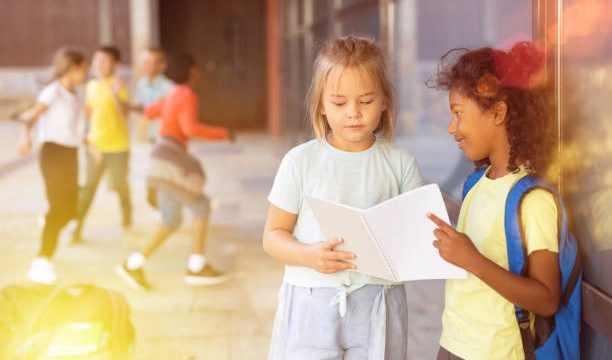
Another remarkable benefit of early childhood classrooms is the development of social skills. In a setting where children interact with their peers, they learn the importance of cooperation, sharing, and empathy. These interactions are fundamental as they navigate friendships and group dynamics. The classroom becomes a microcosm of society, where children can practice resolving conflicts and understanding different perspectives. These experiences lay the groundwork for healthy relationships in the future, helping children to become compassionate and understanding individuals.
Emotional development is equally crucial in these formative years. Early childhood classrooms typically provide a structured yet flexible environment where children can express their feelings. Educators are trained to recognize and support emotional growth, helping children articulate their thoughts and feelings. This emotional intelligence is vital as children learn to manage their emotions and respond to others with kindness. A supportive classroom atmosphere fosters resilience, enabling children to face challenges with confidence.
In addition to social and emotional growth, early childhood classrooms are designed to cater to diverse learning styles. Each child is unique, and the best early childhood programs recognize this by offering varied approaches to learning. Whether through visual aids, auditory activities, or kinesthetic experiences, these classrooms strive to meet each child where they are. This personalized attention not only enhances understanding but also builds self-esteem as children see their individual strengths recognized and celebrated.
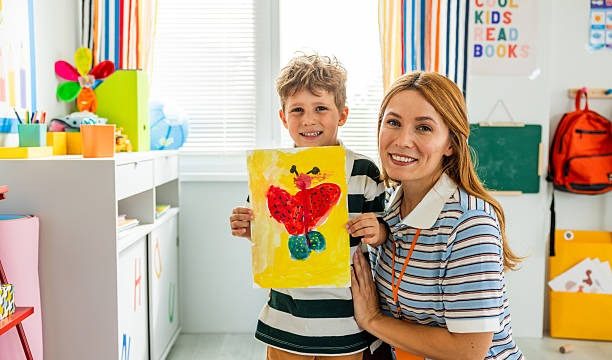
A small shift toward balance can also be observed in the way early childhood classrooms emphasize holistic development. These classrooms often integrate art, music, and movement into their curricula, allowing children to explore their creativity. Such activities are essential for cognitive development and provide a well-rounded educational experience. Engaging in artistic expression or rhythmic movement can improve fine motor skills and enhance cognitive abilities, making learning a multifaceted adventure.
Parental involvement is another cornerstone of early childhood education. Many programs encourage parents to participate in their child’s learning journey, fostering a strong home-school connection. This collaboration not only enriches the educational experience but also strengthens family bonds. When parents are engaged, children often feel a greater sense of security and support, making them more willing to explore and take risks in their learning.
As children progress through early childhood classrooms, they also develop essential self-regulation skills. Learning to follow routines, manage their time, and understand the consequences of their actions are vital lessons that prepare them for future academic settings. These skills contribute to a child’s ability to focus and engage in more structured learning environments as they grow older. The transition from play-based learning to more formal education becomes smoother when children have already cultivated these foundational habits.
Moreover, early childhood classrooms also emphasize the importance of cultural awareness and diversity. Children are introduced to various cultures and perspectives, which broadens their understanding of the world. This exposure encourages them to appreciate differences and fosters a sense of inclusivity. Learning about different traditions and lifestyles helps children develop respect for others, shaping them into globally minded individuals.
The benefits of early childhood classrooms extend beyond individual development; they also contribute to the community at large. By equipping children with the necessary skills to thrive, these classrooms help create a more educated and compassionate society. The nurturing environment of early childhood education promotes inclusivity and cooperation, which can lead to stronger community ties. As children grow, they carry these values into adulthood, influencing the world around them positively.
In summary, early childhood classrooms are more than just a place for children to learn their ABCs and 123s; they are vibrant spaces that nurture the whole child. Through play-based learning, social interactions, emotional support, and an emphasis on creativity and cultural awareness, these classrooms lay a strong foundation for lifelong learning and personal development. The benefits extend beyond the classroom, shaping future generations and creating a more compassionate society.
As parents and educators, recognizing the value of early childhood education can inspire us to advocate for these vital programs. By investing in our children’s early years, we are not just preparing them for school; we are nurturing the leaders, thinkers, and innovators of tomorrow.