Early childhood is a magical time, filled with wonder, exploration, and learning.
During these formative years, children are like sponges, soaking up knowledge, experiences, and habits that will shape their lives for years to come.
One of the most profound influences on a child’s development is early childhood education, which lays the foundation for positive habits that can lead to a fulfilling and balanced life.
Creating a nurturing environment for young learners is essential. This is a time when they begin to understand the world around them, develop social skills, and form their identities. Early childhood education programs that prioritize emotional and social development alongside academic learning can foster a love of learning that lasts a lifetime. When children feel safe and valued, they are more likely to engage and thrive in their educational experiences.
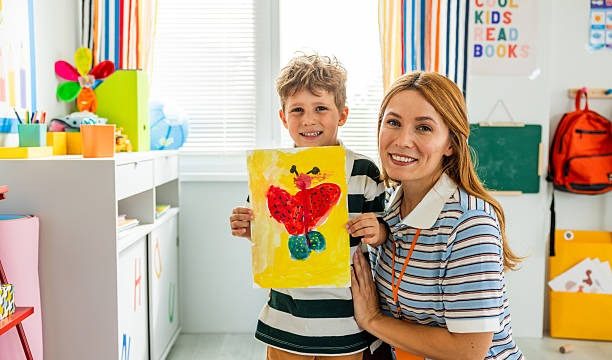
A gentle approach to learning can spark curiosity and encourage children to ask questions. This curiosity is the engine of lifelong learning. By providing opportunities for hands-on activities and exploration, educators can help children develop critical thinking skills and the ability to solve problems. Whether it’s through art, music, or outdoor play, these experiences allow children to express themselves and discover their interests.
Encouraging positive habits during early childhood is more than just teaching children how to read or count. It involves instilling values such as kindness, empathy, and resilience. When children learn to share, take turns, and express their feelings, they are building the social skills that will serve them well throughout their lives. These fundamental habits of cooperation and understanding create a strong foundation for their future relationships, both personal and professional.
A small shift toward balance can make a significant difference in a child’s development. Integrating mindfulness practices into early childhood education can help children learn to manage their emotions and develop self-regulation skills. Simple techniques, such as taking deep breaths or focusing on the present moment, can empower children to navigate challenges with a sense of calm. This practice not only enhances their emotional well-being but also sets the stage for a positive approach to learning.
As children grow, fostering a growth mindset becomes crucial. Encouraging them to view challenges as opportunities for growth rather than obstacles can instill resilience and perseverance. When children understand that effort leads to improvement, they are more likely to embrace learning with enthusiasm. This mindset allows them to tackle new subjects and skills without fear of failure, nurturing a lifelong love of learning.
In addition to emotional and social development, early childhood education can also promote healthy lifestyle habits. Incorporating physical activity into daily routines is essential for developing strong bodies and minds. Simple activities, like playing outside, dancing, or engaging in structured games, can help children develop motor skills while fostering a sense of joy and connection to their bodies. Encouraging a love for movement not only benefits physical health but also enhances mood and cognitive function.
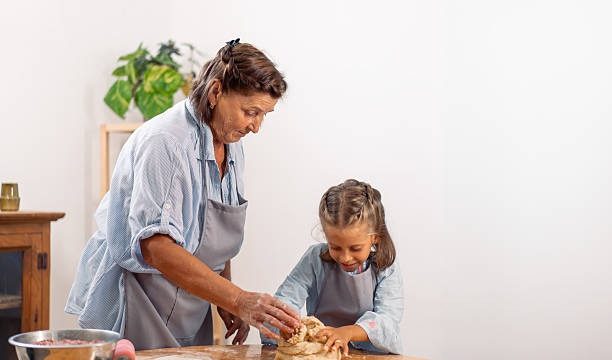
Nutrition is another crucial aspect of fostering positive habits in early childhood. Teaching children about healthy eating can set the stage for lifelong healthy choices. By introducing a variety of fruits, vegetables, and whole foods in a fun and engaging way, children can develop a palate for nutritious options. Encouraging them to participate in meal preparation can also foster a sense of accomplishment and excitement around food.
Creating a routine that incorporates both learning and play is vital for young children. A balanced day might include time for focused learning, creative play, and outdoor exploration. Routines provide a sense of security and predictability, allowing children to thrive in their environments. When they know what to expect, they can engage more fully in each activity, whether it’s a storytime session or a nature walk.
Family involvement is another critical component of early childhood education. When parents and caregivers actively participate in their child’s learning journey, it reinforces the value of education and positive habits. Simple practices, like reading together at bedtime or discussing the day’s events, can create strong bonds and foster a love for learning. Open communication between educators and families can ensure that children receive consistent support both at school and at home.
As children grow older, the habits they develop during their early years will continue to influence their choices and behaviors. By prioritizing early childhood education and focusing on positive habits, we can help shape a generation of learners who are not only knowledgeable but also compassionate and resilient. The skills and values learned in these early years can empower children to navigate the complexities of life with confidence and grace.
In conclusion, the journey of early childhood education is about more than just academic achievement. It is about nurturing the whole child—mind, body, and spirit. By fostering positive habits and creating a supportive learning environment, we can help children develop the skills they need to thrive. As we invest in their early years, we are also investing in a brighter future for our communities and the world. Together, let us embrace the beauty of early childhood education and the endless possibilities it offers.