In the realm of early childhood development, the phrase “learning through play” resonates with warmth and wisdom.
It embodies an approach that not only nurtures curiosity but also fosters essential skills in young minds.
As parents and caregivers, understanding the significance of this concept can transform the way we engage with our little ones, creating a nurturing environment where learning feels like a natural extension of their playful spirits.
Play is often viewed as a simple pastime, but for children, it is much more. It is a vital component of their development, offering a rich tapestry of experiences that shape their understanding of the world. Through play, children explore their surroundings, test their limits, and express their emotions. They learn to navigate social dynamics, solve problems, and develop critical thinking skills—all while having fun. This intrinsic connection between play and learning is something that can be embraced and encouraged in everyday life.
When we think of play, we might picture children running freely in a park or building castles in the sand. However, play can take many forms, from imaginative role-playing to structured games. It is in these varied experiences that children begin to form a sense of identity and learn about their interests. Encouraging this exploration is essential, as it allows children to discover their likes and dislikes, helping to build confidence and self-esteem.
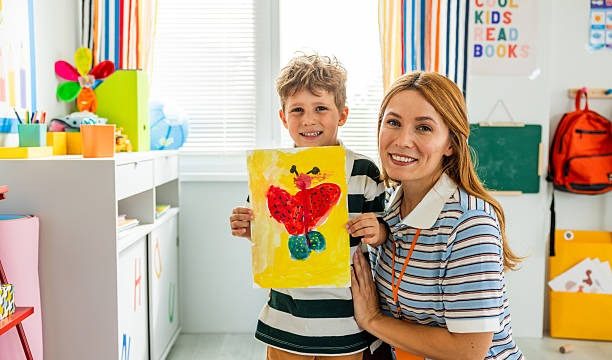
One of the most beautiful aspects of learning through play is the way it promotes creativity. When children are free to imagine and create, they engage in a process that stimulates their minds and ignites their passions. Whether they are painting, constructing with blocks, or pretending to be a superhero, these activities encourage them to think outside the box. In a world that often emphasizes results over the process, fostering creativity through play can be a gentle reminder of the joy found in exploration.
In addition to creativity, play also serves as a crucial medium for developing social skills. When children engage in cooperative play, they learn to share, negotiate, and communicate with their peers. These interactions teach them about empathy and understanding, as they navigate the complexities of relationships. Whether they are teaming up to build a fort or playing a game that requires teamwork, these experiences lay the groundwork for healthy social interactions throughout their lives.
The benefits of learning through play extend beyond social skills and creativity. Cognitive development flourishes in a playful environment. As children engage in problem-solving activities—like figuring out how to balance blocks or completing a puzzle—they enhance their critical thinking abilities. Playful learning encourages them to ask questions and seek answers, fostering a sense of inquiry that is vital for lifelong learning. This natural curiosity is a gift that should be nurtured and celebrated.
As caregivers, we can create an environment that encourages this kind of learning. Simple adjustments in our approach can make a significant difference. For instance, instead of directing playtime, we can become facilitators, providing resources and space for children to explore their interests. Offering a variety of materials—such as art supplies, building blocks, or nature items—invites children to engage in meaningful play. By stepping back and allowing them the freedom to create their narratives, we empower them to take the lead in their learning journey.
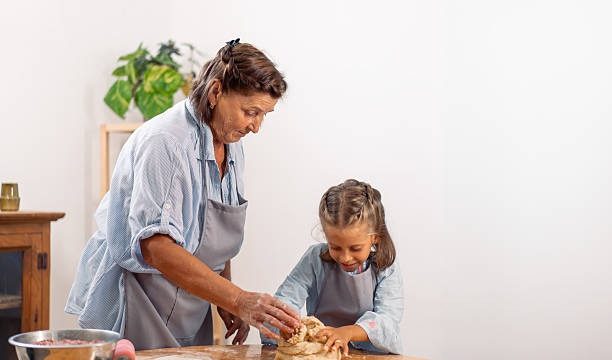
Incorporating play into daily routines can also enhance the learning experience. Simple activities like cooking together can transform into a playful exploration of measurements and ingredients, making math and science feel tangible and enjoyable. Storytime can become a lively adventure where children act out characters, enhancing their understanding of narrative and language. Even chores can be turned into games, fostering responsibility while keeping the atmosphere light-hearted.
As we navigate the challenges of modern parenting, it’s essential to remember the importance of unstructured playtime. In our fast-paced world, there can be a tendency to overschedule children’s days with structured activities. While organized sports and classes have their place, allowing children time to play freely is equally vital. Unstructured play encourages independence, resilience, and the ability to cope with challenges, skills that will serve them well throughout their lives.
A small shift toward balance can have a profound impact. By making room for spontaneous play in our busy schedules, we allow children the freedom to explore their interests without pressure. This balance nurtures their ability to self-regulate and fosters a love of learning that will last a lifetime.
As we embrace the philosophy of learning through play, it’s also important to acknowledge the role of emotional development. Play provides a safe space for children to express their feelings and work through their emotions. Through imaginative play, they can act out scenarios that might be difficult for them to articulate, allowing for a deeper understanding of their feelings. This emotional literacy is crucial as they grow, equipping them with the tools to navigate the complexities of life.
In conclusion, the journey of learning through play is a beautiful dance between exploration and growth. It is an invitation to slow down, to savor the moments, and to witness the magic that unfolds when children are given the space to play. As caregivers, we have the privilege of guiding them through this enchanting phase of life, celebrating their discoveries and nurturing their dreams. By fostering a playful environment, we not only enrich their childhood but also lay the foundation for a lifelong love of learning. So let us embrace the joy of play, for in those moments, the true essence of childhood shines brightly.