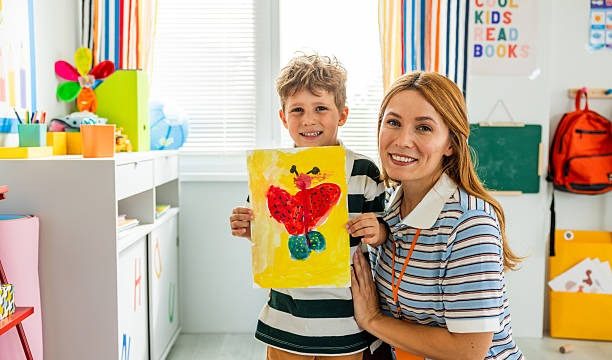
Early childhood education is more than just a foundation for academic skills; it plays a pivotal role in the emotional growth of young children.
As parents and educators, we often focus on teaching the ABCs and 123s, but the emotional landscape of a child is equally important.
Understanding and nurturing this aspect can lead to well-rounded individuals who are not only smart but also emotionally intelligent.
The early years of a child’s life are filled with exploration and discovery. During this formative period, children are not just absorbing information from their surroundings but are also learning how to navigate their feelings and those of others. It’s during these tender years that they begin to form their emotional framework, a process that influences how they interact with the world around them.
Creating a safe and nurturing environment is essential for fostering emotional growth. When children feel secure, they are more likely to express themselves openly and explore their emotions without fear of judgment. This sense of security can be cultivated through consistent routines, warm relationships with caregivers, and opportunities for play. Play is an integral part of early childhood education, serving as a medium through which children can express their feelings, experiment with social interactions, and develop empathy. Through imaginative play, they learn to put themselves in others’ shoes, understanding different perspectives and emotions.
A small shift toward balance can be achieved by integrating emotional learning into the curriculum. This does not mean that academic learning should take a backseat; rather, it highlights the importance of weaving emotional education into everyday activities. Simple practices like reading stories that explore feelings, engaging in group activities that require cooperation, or even having discussions about emotions can significantly enhance a child’s emotional vocabulary. When children learn to articulate their feelings, they are better equipped to manage them, leading to healthier relationships and a more profound understanding of themselves.
In addition to structured activities, unstructured playtime is equally vital. Allowing children the freedom to explore and play without constant direction fosters creativity and independence. It’s during these moments that they encounter challenges, learn to solve problems, and develop resilience. For instance, when a child faces a setback during play, such as losing a game or encountering a disagreement with a peer, they begin to learn how to cope with disappointment and frustration. This is where the seeds of emotional resilience are sown.
As children grow, the role of caregivers and educators becomes increasingly significant. Active listening is a powerful tool that can help children feel heard and valued. When adults take the time to listen to a child’s concerns, fears, or joys, it reinforces the idea that their feelings matter. This validation is crucial for emotional development, as it encourages children to express themselves and seek support when needed. By modeling emotional intelligence, adults can teach children how to recognize, understand, and manage their emotions effectively.
Another important aspect of emotional growth is the development of social skills. Early childhood education settings provide a unique opportunity for children to interact with their peers, fostering friendships and teaching them the nuances of social dynamics. These interactions can help children learn essential skills such as sharing, taking turns, and resolving conflicts. Through these experiences, they not only build relationships but also develop a sense of belonging, which is fundamental to emotional well-being.
It’s also important to recognize that every child is unique, with their own pace of emotional development. Some children may naturally be more expressive, while others may take time to open up. Patience and understanding from caregivers and educators are essential in accommodating these differences. Creating an inclusive environment where all children feel accepted and supported allows for a richer emotional growth experience.
As we look toward the future, the impact of early childhood education on emotional growth becomes even more evident. Children who receive strong emotional support in their early years are more likely to thrive in later stages of life. They tend to have better social skills, higher self-esteem, and improved academic performance. The emotional foundation laid during these formative years can influence their ability to handle stress, form healthy relationships, and pursue their goals with confidence.
In conclusion, early childhood education is a crucial period for emotional growth, shaping the way children understand themselves and relate to others. By fostering a nurturing environment, integrating emotional learning, encouraging play, and modeling emotional intelligence, we can help children develop the skills they need to navigate their feelings and relationships throughout their lives. As we invest in their emotional well-being, we are not just preparing them for school; we are equipping them for life. Ultimately, the goal is to raise emotionally intelligent individuals who can contribute positively to their communities and lead fulfilling lives. In this journey of nurturing young hearts and minds, we can create a brighter future for all.