In the world of early childhood education, kindergarten is a magical time where learning transforms into an adventure.
Children are naturally curious, and this curiosity is a precious resource that can be harnessed to create fun and engaging learning experiences.
By incorporating playful methods, educators and parents can foster a love for learning that lasts a lifetime. Here are some delightful ways to make learning enjoyable for young minds.
A gentle introduction to learning
Kindergarten is often a child’s first formal experience with education, and it’s important to approach this new environment with warmth and excitement. The classroom should feel like a welcoming space that encourages exploration. By integrating play into learning, children can absorb concepts in a way that feels natural and enjoyable. Activities that involve movement, creativity, and social interaction can help children engage with new ideas while having a blast.
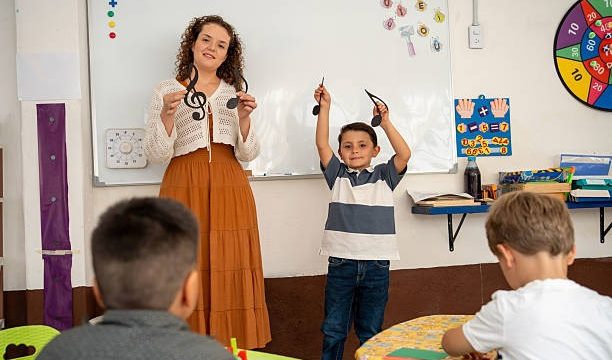
Incorporating play into everyday lessons can make even the simplest concepts come alive. For instance, using songs and rhymes to teach the alphabet not only makes learning memorable but also helps children develop phonemic awareness. When letters are associated with catchy tunes, they become more than just symbols on a page; they turn into characters in a story that children are eager to explore.
Exploring the outdoors
Nature is one of the best classrooms for young learners. Outdoor activities provide opportunities for hands-on experiences that ignite curiosity. Taking learning outside can transform a typical lesson into an adventure. Whether it’s a nature walk to collect leaves and learn about different tree species or a scavenger hunt that encourages observation and critical thinking, the outdoors offers endless possibilities for exploration.
Gardening is another wonderful way to connect children with nature while teaching them valuable lessons about responsibility and patience. By planting seeds and watching them grow, children can gain a deeper understanding of life cycles and the importance of caring for the environment. Plus, getting their hands dirty is a fun way to engage their senses and foster a sense of accomplishment.
Creative expression through art
Art is a powerful medium that allows children to express themselves and explore their imaginations. Integrating art into learning can enhance cognitive development and promote emotional well-being. Simple activities such as painting, drawing, or crafting can be tied to various subjects, from storytelling to science.
For instance, after reading a story, children can create their own illustrations or craft characters from the tale. This not only reinforces comprehension but also encourages them to think critically about the narrative. Art projects that involve collaborative efforts can enhance social skills and teamwork, helping children learn how to communicate and work together effectively.
The joy of storytelling
Storytelling is a timeless method of teaching that captivates young audiences. It fosters imagination, language development, and a sense of connection to the world. Incorporating storytelling into the kindergarten curriculum can be as simple as reading books aloud or encouraging children to create their own stories.
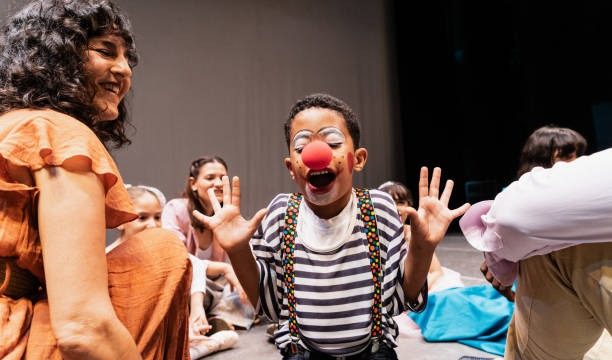
Dramatic play is another engaging way to bring stories to life. Setting up a puppet theater or creating a cozy reading nook can inspire children to act out their favorite tales or invent new ones. This not only enhances their language skills but also allows them to explore emotions and develop empathy through character experiences.
The magic of music and movement
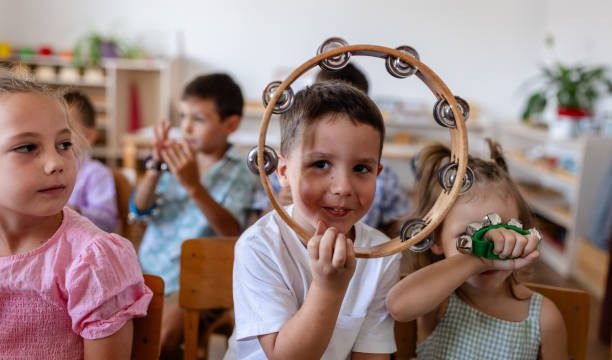
Music and movement are integral parts of a child’s development. Incorporating rhythm into learning can enhance memory and retention. Singing songs that teach numbers, colors, or shapes can make these concepts more accessible and enjoyable. Movement activities, such as dancing or playing musical games, can help children release energy while reinforcing learning.
Moreover, creating a musical atmosphere in the classroom can stimulate creativity and collaboration. Encouraging children to experiment with instruments or even create their own can ignite their interest in music and the arts. This exploration fosters a sense of achievement and can lead to lifelong appreciation for creative expression.
Building connections through collaboration
Social interaction is a key component of learning in kindergarten. Creating opportunities for children to work together fosters a sense of community and belonging. Group activities that involve problem-solving or collaborative projects can enhance communication skills and encourage a spirit of cooperation.
Whether it’s building a structure with blocks or completing a group art project, children learn from one another as they share ideas and perspectives. These experiences not only enhance cognitive development but also cultivate friendships and social skills that are essential for their growth.
Encouraging curiosity through questions
Children are naturally inquisitive, and nurturing their curiosity is essential for fostering a love of learning. Encouraging questions and exploration can create a rich learning environment. When children ask “why” or “how,” it’s important to engage with their curiosity rather than simply providing answers.
Promoting inquiry-based learning allows children to investigate topics that interest them. This approach not only deepens their understanding but also empowers them to take ownership of their learning journey. By creating a safe space for exploration and discovery, educators can cultivate a lifelong passion for knowledge.
Creating a balanced routine
While fun and play are vital components of learning, it’s also important to establish a balanced routine. A structured environment helps children feel secure and understand expectations. Incorporating a mix of activities—both playful and more focused—can provide a well-rounded educational experience.
By weaving together various learning styles and activities, children can thrive in an environment that meets their diverse needs. This balance helps them develop essential skills while also allowing for spontaneous exploration and creativity.
In conclusion, kindergarten is a beautiful time for children to embark on their educational journey. By embracing playful learning methods, parents and educators can create an environment that nurtures curiosity, creativity, and social skills. From outdoor adventures to artistic expression, there are countless ways to make learning a joyful experience. As children explore the world around them, they not only acquire knowledge but also develop a lifelong love for learning that will serve them well in all their future endeavors.