In the vibrant world of early childhood education, preschool activities play a crucial role in shaping the foundations of learning.
These playful engagements are not merely a way to keep little ones occupied; they are vital experiences that cultivate essential skills.
As parents and caregivers, understanding the impact of these activities can help us appreciate the beauty of learning through play.
From the moment children step into a preschool environment, they are greeted with a tapestry of colorful learning opportunities. Every corner of the classroom invites exploration, sparking curiosity and encouraging interaction. Through various activities—whether they involve art, music, or simple games—children begin to develop cognitive, social, and emotional skills that will serve them throughout their lives.
Engaging in creative play is one of the most enchanting ways preschoolers learn. When children paint, draw, or build with blocks, they are not just creating art or structures; they are also honing their fine motor skills. These activities require hand-eye coordination and dexterity, which are essential for tasks such as writing and using tools later on. The joy of splashing colors or stacking blocks fosters an environment where children can express themselves while simultaneously developing their physical abilities.
Beyond the physical, preschool activities nurture cognitive growth. Simple games that involve counting, sorting, or matching are more than just fun; they introduce foundational math concepts. For example, when children play with puzzles, they learn about shapes, patterns, and spatial awareness. Such activities promote problem-solving skills as they navigate challenges and find solutions. It’s fascinating to see how a seemingly simple task can unlock a child’s ability to think critically and creatively.
Social skills are another treasure that preschool activities help to cultivate. In a preschool setting, children learn to share, take turns, and collaborate with their peers. Group activities, like building a fort together or participating in a circle time discussion, encourage communication and teamwork. These interactions are vital for developing empathy and understanding others’ perspectives. As children engage in cooperative play, they learn the delicate balance of expressing their own ideas while valuing those of their friends.
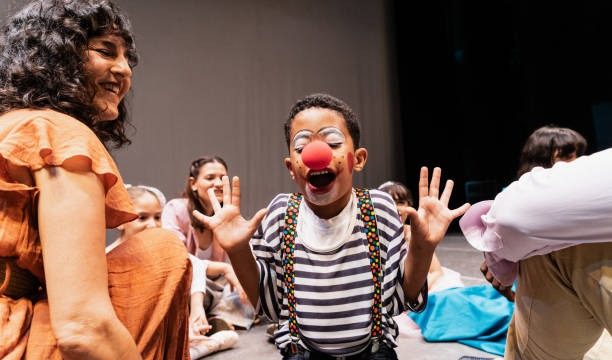
The emotional development that occurs through preschool activities is equally significant. When children engage in role-playing or storytelling, they explore different emotions and scenarios, helping them to understand their own feelings and those of others. This imaginative play provides a safe space for kids to express fears, joys, and everything in between. By navigating these experiences, children build resilience and learn how to cope with various situations, which is a vital skill as they grow.
A small shift toward balance can also be found in the rhythm of preschool routines. Consistency in daily activities, such as circle time, snack breaks, and outdoor play, provides children with a sense of security and predictability. This structure helps them develop self-regulation skills as they learn to manage their emotions and behaviors in different settings. Understanding when to be quiet during storytime or when to express excitement during group games lays the groundwork for future classroom behavior.
Nature-based activities are becoming increasingly popular in preschool settings, and for good reason. Outdoor play not only provides children with a chance to explore the world around them but also connects them to nature in meaningful ways. Whether it’s planting seeds, observing insects, or simply running freely in an open space, these experiences stimulate curiosity and promote a sense of wonder. Being outdoors encourages physical activity, which is essential for healthy development and well-being.
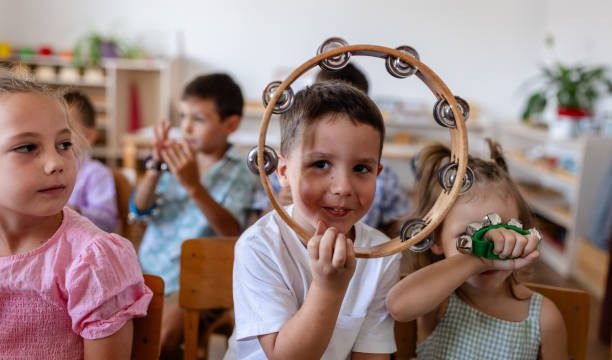
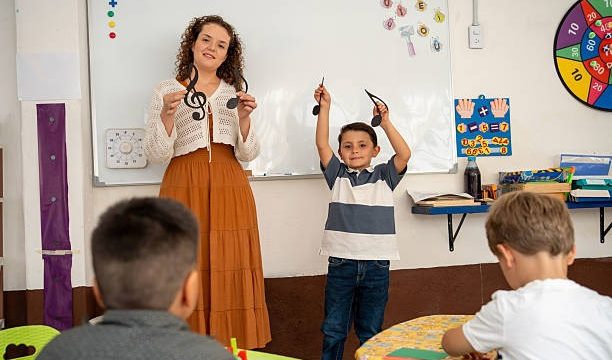
In addition to physical and cognitive skills, communication is another area where preschool activities shine. Engaging in songs, rhymes, and storytelling enhances language development. Children learn new vocabulary and improve their pronunciation through repetition and interaction. As they engage with educators and peers, they practice expressing their thoughts and ideas, building confidence in their ability to communicate effectively. This foundation in language will serve them well as they transition into more formal education settings.
As parents and caregivers, it’s important to recognize the value of unstructured play. While organized activities have their place, allowing children time for free play is equally essential. During these moments, children can explore their interests, experiment with new ideas, and engage in imaginative scenarios. This type of play fosters independence and creativity, encouraging children to think outside the box and develop their unique personalities.
Creating a supportive environment at home can further enhance the skills developed in preschool. Simple activities like reading together, playing board games, or even cooking can reinforce the learning that takes place in school. Encouraging curiosity and exploration at home allows children to see learning as a joyful and lifelong journey.
Ultimately, the blend of play, exploration, and social interaction in preschool activities lays the groundwork for a child’s future success. The skills they acquire during these formative years will not only serve them academically but will also shape them into compassionate, curious, and resilient individuals. As we witness their growth, it becomes clear that these early experiences are not just about preparing for school; they are about nurturing well-rounded human beings ready to embrace the world with open hearts and minds.
In this beautiful journey of early learning, every laugh, every challenge, and every success contributes to the rich tapestry of a child’s development. By cherishing these moments and recognizing the significance of preschool activities, we can help foster a love for learning that lasts a lifetime.