Movement and dance are vital expressions of joy, creativity, and connection, especially for early learners.
Children thrive in environments that encourage exploration through physical activity.
Engaging in movement and dance not only promotes physical development but also enhances cognitive and social skills. Here, we explore a variety of fun activities that can spark the imagination and get those little feet moving.
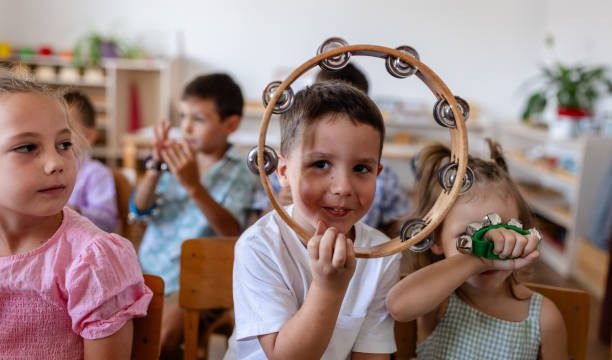
A joyful introduction to movement can begin right at home. Setting aside a space where your child can freely explore movement is a wonderful start. Consider creating a dance corner with some soft mats, colorful scarves, and a selection of instruments like tambourines or maracas. This cozy nook can serve as a safe haven for your child to express themselves through dance and movement.
One delightful activity is to play music from different cultures around the world. Introduce your little one to the rhythms of African drumming, the lively beats of Latin music, or the soothing melodies of classical compositions. Encourage them to move in ways that reflect the music they hear. This not only fosters an appreciation for diverse cultures but also helps children develop their sense of rhythm and coordination.
Another engaging exercise involves storytelling through movement. Choose a favorite storybook and invite your child to act out the characters and scenes. As you read, encourage them to mimic the actions of the characters. If the story features a brave lion, they can pounce like a lion; if it’s about a gentle breeze, they can sway softly. This imaginative play nurtures creativity and allows children to connect with the narrative on a deeper level.
Exploring nature can also provide a fantastic backdrop for movement activities. A simple walk in the park can transform into an adventure as you guide your child to mimic the movements of animals they encounter. Ask them to hop like a frog, waddle like a duck, or stretch like a cat. This playful engagement with the environment not only enhances their physical abilities but also fosters a love for the outdoors.
Incorporating dance into everyday routines can be a delightful way to energize your child. For instance, you can create a morning dance party to start the day on a joyful note. Choose upbeat songs that everyone enjoys and let loose in the living room. This spontaneous celebration of movement can uplift spirits and create lasting memories, all while providing a wonderful opportunity for physical activity.
As children grow, they often enjoy themed dance parties. Consider hosting a seasonal celebration where children can dress up and dance according to a particular theme. For example, a beach party can inspire movements that mimic waves, while a winter wonderland theme may lead to twirling like snowflakes. These events not only encourage movement but also foster social skills as children interact with their peers.
A small shift toward balance can be introduced through simple games that involve coordination and teamwork. Activities like “Simon Says” or “Follow the Leader” can be transformed into movement games where children are encouraged to integrate dance steps or physical challenges. This not only makes the games more dynamic but also helps children develop their listening skills and ability to follow directions.
Creating an obstacle course in your living space or backyard can also be a thrilling way to promote movement. Use cushions, chairs, and blankets to design a course that encourages climbing, crawling, and jumping. This hands-on approach allows children to explore their physical limits while having fun. You can add elements like a hula hoop to jump through or a ball to throw, making the course even more exciting.
Dance is not solely about rhythm and movement; it can also be a means of expression and emotional release. Encourage your child to express their feelings through dance. You can play soft music and invite them to move in ways that reflect their mood. Whether they feel happy, silly, or even a little sad, dancing can be a beautiful outlet for their emotions. This activity fosters emotional intelligence and helps children understand and articulate their feelings.
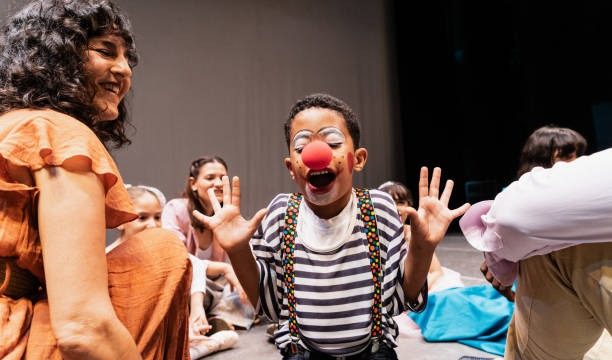
Another captivating way to incorporate dance into your child’s life is through dance classes or community programs. Many local studios offer classes designed specifically for young children. These classes often focus on fun, creativity, and building confidence through dance. Participating in a group setting can enhance social skills and provide opportunities for children to make new friends while developing their movement abilities.
As technology continues to play a significant role in our lives, consider incorporating interactive dance games or apps that encourage movement. Many platforms offer games that require players to follow dance routines or engage in physical challenges. While screen time should always be balanced with active play, these tools can provide an innovative way to keep children engaged in movement.
It’s essential to remember that the goal of these activities is to cultivate a love for movement rather than perfection in dance. Celebrate the small victories, whether it’s a new dance move learned or simply the joy of dancing freely. The focus should be on fun, creativity, and connection, allowing children to develop a positive relationship with movement that can last a lifetime.
In conclusion, integrating fun movement and dance activities into the lives of early learners can have profound benefits. By creating opportunities for exploration and self-expression, you’re not only promoting physical health but also nurturing emotional and social development. So, turn up the music, embrace the joy of movement, and watch as your little ones dance their way through childhood with laughter and delight.