Arithmetic Explained in Simple Language
Arithmetic is a fundamental part of our everyday lives, woven into the fabric of our daily routines in ways we often overlook.
It’s the gentle art of numbers, a language that speaks to us through the simple act of counting, measuring, and calculating.
From the moment we wake up and decide how many minutes we can linger in bed, to the time we calculate how much change we should receive at the store, arithmetic is there, quietly guiding us.
At its core, arithmetic is about understanding relationships between numbers. It allows us to add, subtract, multiply, and divide—operations that form the building blocks of math. The beauty of arithmetic lies in its simplicity. You don’t need to be a mathematician to grasp its concepts; you just need a willingness to see numbers as friendly companions rather than intimidating strangers.
Imagine walking into your kitchen and deciding to bake a cake. You gather your ingredients: flour, sugar, eggs, and butter. As you look at the recipe, you realize you need to double it to serve your friends. This is where arithmetic steps in, helping you navigate the quantities. If the recipe calls for two cups of flour, you know that doubling it means you need four cups. The same applies to sugar, eggs, and butter. Arithmetic makes this transformation seamless, turning a simple cake into a delightful treat for everyone.
In this way, arithmetic serves as a bridge between abstract numbers and tangible experiences. It transforms simple actions into meaningful outcomes, allowing us to engage with the world around us in a structured way. When you think about it, every time you make a decision based on numbers, you’re practicing arithmetic. Whether it’s budgeting your monthly expenses or figuring out how long it will take to travel to a friend’s house, you’re applying these basic principles.
A small shift toward balance can make all the difference in how we view arithmetic. Instead of seeing it as a chore or a subject to be dreaded, we can embrace it as a tool for empowerment. For instance, when we look at subtraction, we often think of it as taking away. But what if we viewed it as a way to create space? When you subtract the clutter from your life or your schedule, you’re making room for more of what truly matters. This perspective can transform how you relate to numbers and their role in your life.
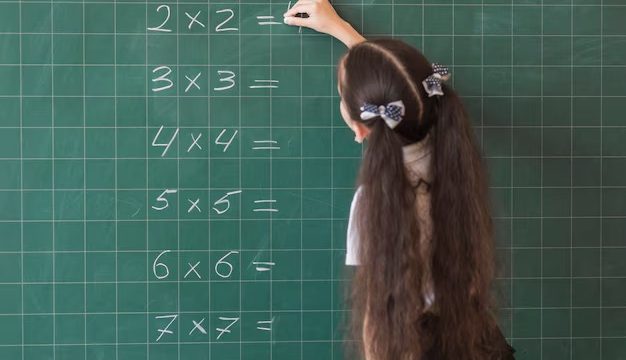
Multiplication and division are equally fascinating. Multiplication can be seen as a way of gathering or grouping. When you multiply, you’re essentially saying, “Let’s bring these things together.” It’s like inviting your friends over for a potluck dinner. If each person brings a dish, the more friends you invite, the more delicious food you have to share. Division, on the other hand, is about sharing and distributing. It’s like dividing that potluck feast evenly among everyone, ensuring that everyone gets a taste of the goodness.
These operations reflect our interactions with the world and each other. They remind us that arithmetic is not just about numbers; it’s about connection and community. It teaches us how to share resources, manage time, and appreciate the balance between giving and receiving.
As we delve deeper into the world of arithmetic, we encounter the beauty of patterns. Numbers often dance in sequences, revealing relationships that can be both surprising and delightful. For example, consider how the number sequence unfolds: 1, 2, 3, 4, and so on. This simple progression illustrates growth, a natural rhythm that resonates with life itself.
Recognizing these patterns can bring a sense of calm and clarity. When we see numbers as part of a larger story, we can appreciate the connections they create. It’s not just about finding the right answer; it’s about understanding the journey that leads us there. Each calculation tells a story, and every number has its place in the narrative of our lives.
In our fast-paced world, it’s easy to overlook the role of arithmetic in fostering mindfulness. Taking a moment to engage with numbers can be a grounding practice. For instance, when budgeting, rather than simply tallying expenses, you might reflect on your spending habits. Are you investing in experiences that bring you joy? Are you setting aside funds for future adventures? This kind of reflective arithmetic can enhance your awareness of how numbers influence your lifestyle choices.
As we embrace arithmetic in our lives, we also open ourselves to the joy of learning. The process of solving a problem or figuring out a calculation can be a rewarding experience. It’s not merely about arriving at the final answer; it’s about the exploration, the trial and error, and the satisfaction of understanding. This journey can teach us resilience, patience, and the importance of practice.
Arithmetic also has a place in fostering creativity. Whether you’re designing a garden, planning a trip, or even crafting a piece of art, numbers play a crucial role. They help us measure, balance, and arrange our ideas into something beautiful. When we allow arithmetic to inspire our creativity, we find new ways to express ourselves and engage with the world.
As we conclude this exploration of arithmetic, it’s essential to remember that it’s more than just a subject in school or a set of rules to follow. It’s a way of thinking, a lens through which we can view our experiences. By embracing arithmetic in our daily lives, we cultivate a deeper understanding of ourselves and our relationships with others.
So, the next time you find yourself faced with numbers—whether in the kitchen, at the store, or in your daily planning—take a moment to appreciate the beauty of arithmetic. Allow it to guide you, inspire you, and perhaps even bring a bit of joy into your day. After all, arithmetic is not just about calculations; it’s about connection, creativity, and the wonderful journey of life itself.