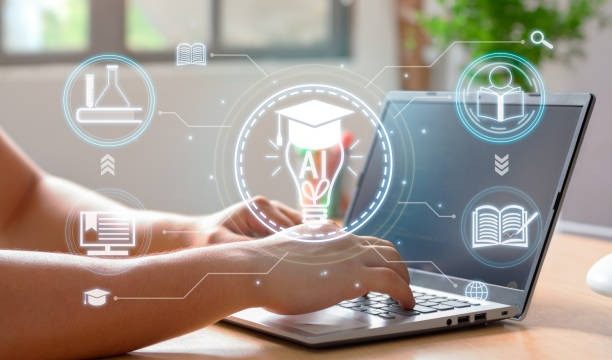
In a world that is increasingly driven by technology, the way we approach education is rapidly transforming.
The integration of artificial intelligence into learning environments is one of the most exciting developments in recent years.
AI-powered learning is not just a trend; it is reshaping how students of all ages engage with knowledge, making education more personalized, accessible, and effective.
A gentle shift toward personalization
Imagine a classroom where every student receives tailored instruction that meets their unique needs. This is the promise of AI in education. Traditional teaching methods often adopt a one-size-fits-all approach, which can leave some students feeling lost while others may feel unchallenged. However, AI allows for a more nuanced understanding of individual learning styles and paces.
With the help of sophisticated algorithms, AI tools can analyze a student’s performance and adapt content to suit their learning preferences. For instance, if a student struggles with a particular math concept, the system can offer additional resources, practice problems, or even interactive tutorials that address that specific challenge. This personalized approach not only fosters a deeper understanding of the material but also cultivates a sense of confidence in learners.
Creating accessible pathways for all
One of the most heartwarming aspects of AI-powered learning is its potential to bridge gaps in education. Accessibility has long been a challenge in traditional educational settings, particularly for students with disabilities or those who may not have access to quality resources. AI can help level the playing field by offering tools that cater to diverse needs.
For example, speech recognition technology can assist students with visual impairments, allowing them to engage with written content through audio. Similarly, AI-driven platforms can provide real-time translations for students who speak different languages, ensuring that language barriers do not hinder their learning experience. This inclusivity nurtures a sense of belonging among students, reinforcing the idea that education should be a communal journey.
Nurturing a love for learning
Beyond just improving academic performance, AI-powered learning has the potential to reignite a passion for education. Many students today find themselves overwhelmed by the pressures of standardized testing and rigid curriculums. This can lead to a disconnection from the joy of learning. AI tools can help cultivate curiosity by providing interactive and engaging content that resonates with students’ interests.
Imagine a student fascinated by marine biology being able to explore virtual ecosystems or participate in real-time simulations of oceanic environments. AI can create immersive educational experiences that spark excitement and encourage exploration. When students are engaged in learning that feels relevant and enjoyable, they are more likely to develop a lifelong passion for knowledge.
The role of educators in an AI-enhanced landscape
While the advancements in AI are remarkable, it is essential to remember that technology should complement, not replace, human interaction in education. Educators play a vital role in guiding students through their learning journeys. AI can serve as a supportive tool, providing teachers with insights into student performance and areas where additional attention may be needed.
By leveraging AI, educators can focus more on fostering relationships with their students, providing emotional support, and encouraging critical thinking. The human connection remains irreplaceable, and the best educational experiences often arise from a blend of technology and personal engagement.
Encouraging collaboration and community
AI-powered learning platforms often facilitate collaboration among students, creating opportunities for peer-to-peer interaction. In a world where digital communication is prevalent, fostering a sense of community is more important than ever. AI can help connect students with similar interests or complementary skills, encouraging them to work together on projects or engage in discussions.
This collaborative learning environment not only enhances understanding of the subject matter but also helps students build essential social skills. Working with peers teaches them how to communicate effectively, resolve conflicts, and appreciate diverse perspectives—all crucial skills in today’s interconnected world.
A future filled with possibilities
As we look ahead, the potential of AI in education is both exciting and inspiring. The landscape of learning is evolving, and with it comes the opportunity for students to thrive in ways we may have only dreamed of a few years ago. As AI continues to develop, we can anticipate even more innovative tools and resources that will further enhance the educational experience.
However, it is essential to approach this transformation with mindfulness. As we embrace the benefits of AI, we must also consider ethical implications and ensure that technology is used responsibly. Striking a balance between innovation and humanity will be crucial in creating an educational ecosystem that truly serves all students.
In conclusion, AI-powered learning is not just about technology; it is about creating a more inclusive, engaging, and personalized educational experience for every student. By harnessing the potential of artificial intelligence, we can foster a love for learning that transcends traditional boundaries. As we navigate this exciting journey together, let us remember that at the heart of education lies the desire to inspire and empower every learner. With the right tools and a nurturing approach, the future of education is bright and filled with endless possibilities.