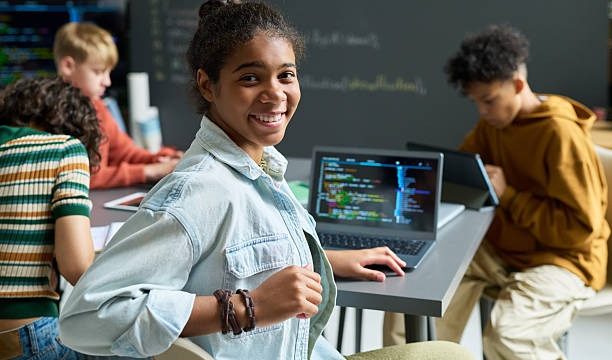
In today’s fast-paced educational landscape, students are constantly searching for tools that can enhance their learning experiences and help them achieve their goals.
As technology continues to evolve, artificial intelligence (AI) emerges as a powerful ally in this quest for academic success.
From personalized learning experiences to streamlined administrative processes, AI applications are transforming the way students engage with their education.
A gentle introduction to personalized learning
Imagine a classroom that adapts to your individual learning style and pace, almost as if it knows you personally. This is where AI steps in, creating a tailored learning environment that meets the unique needs of each student. Through sophisticated algorithms, AI can analyze a student’s strengths, weaknesses, and learning preferences, enabling educators to craft personalized lesson plans.
For instance, platforms like DreamBox and Khan Academy utilize AI-driven assessments to provide real-time feedback and adjust content accordingly. This means students can progress through material at their own speed, revisiting challenging concepts or advancing through easier ones without feeling rushed or left behind. Such personalized attention not only fosters a deeper understanding of the subject matter but also builds confidence, allowing students to flourish in their academic journeys.
A supportive companion for time management
Balancing academics, extracurricular activities, and personal life can often feel overwhelming. Fortunately, AI can serve as a supportive companion in managing time more effectively. Smart scheduling apps, powered by AI, help students organize their commitments, set reminders, and prioritize tasks based on deadlines and importance.
Tools like MyStudyLife or Todoist allow students to create a comprehensive overview of their schedules, ensuring that they allocate time for studying, assignments, and even self-care. By employing these tools, students can cultivate a sense of tranquility amidst the chaos, allowing them to focus on what truly matters—learning and personal growth.
Nurturing creativity through AI
Education isn’t solely about textbooks and exams; it’s also a canvas for creativity. AI applications are enhancing creative learning experiences in ways we could only dream of a few years ago. For instance, platforms like Canva and Adobe Spark harness AI to provide students with intuitive design tools that simplify the creative process.
Whether it’s crafting a presentation, designing a poster, or producing a video project, AI can suggest layouts, color schemes, and even provide design inspiration. This not only encourages students to express themselves artistically but also equips them with valuable skills that are increasingly sought after in today’s digital world.
Fostering collaboration and communication
In an era where teamwork is essential, AI applications are reshaping how students collaborate and communicate. Tools like Slack and Microsoft Teams utilize AI to streamline communication, making it easier for students to work together on projects, share resources, and provide feedback to one another.
These platforms not only facilitate group work but also create a sense of community among students, regardless of their physical location. By fostering an environment of collaboration, AI helps students develop essential interpersonal skills, preparing them for future endeavors in both academic and professional settings.
A small shift toward balance
While embracing the myriad benefits of AI, it’s essential to maintain a balanced approach. Technology should enhance the learning experience, not overshadow it. Encouraging students to engage in face-to-face interactions, participate in hands-on learning, and disconnect from screens when necessary is crucial for their overall well-being.
By integrating AI thoughtfully into the educational experience, students can reap the rewards of modern technology while still nurturing the human connections that are vital for personal development. It’s all about finding that sweet spot where innovation meets tradition.
Mindfulness and mental health support
As academic pressures mount, students often find themselves grappling with stress and anxiety. Here, AI can play a supportive role in promoting mindfulness and mental well-being. Applications like Woebot and Wysa utilize conversational AI to provide students with a safe space to express their feelings and receive guidance.
These platforms offer coping strategies, mood tracking, and even mindfulness exercises, all tailored to the individual’s needs. By encouraging students to prioritize their mental health, AI helps create a more holistic approach to education, where emotional well-being is valued alongside academic achievement.
Building a bridge to career readiness
As students prepare to transition from academic life to the workforce, AI applications can serve as valuable resources in bridging that gap. Platforms like LinkedIn Learning and Coursera leverage AI to recommend courses and skills based on a student’s interests and career goals.
By providing access to a wealth of knowledge and training opportunities, these applications empower students to take charge of their career development. This not only enhances their resumes but also instills a sense of confidence as they embark on their professional journeys.
The journey ahead
As we look to the future, it’s clear that AI will continue to play an integral role in shaping the educational landscape. By harnessing the power of technology, students can cultivate personalized learning experiences, manage their time effectively, express their creativity, and prepare for successful careers.
However, it’s essential to remember that technology is just one piece of the puzzle. The human element—nurturing relationships with peers, educators, and mentors—remains at the heart of the educational experience. By embracing both AI applications and the invaluable connections that come with learning, students can embark on a fulfilling journey toward success that balances innovation with humanity.
In this ever-evolving world, students have the unique opportunity to harness the tools available to them, enabling not just academic success but a rich, well-rounded experience that prepares them for whatever lies ahead. Embracing these advancements in a mindful way can lead to a brighter, more balanced future for all learners.