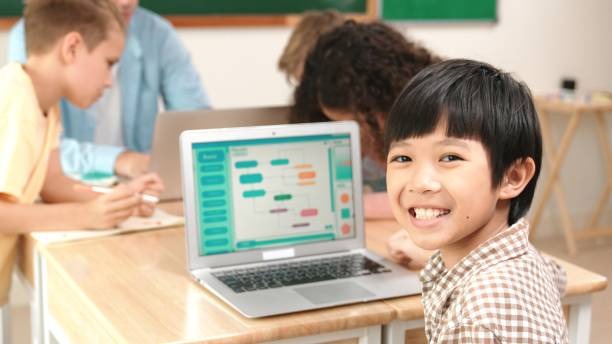
In today’s world, where technology is woven into the very fabric of our daily lives, fostering a sense of curiosity about coding in children can be a wonderful gift.
Introducing kids to the basics of coding not only equips them with essential skills for the future but also encourages creativity, problem-solving, and critical thinking.
The journey into the world of coding can be both exciting and rewarding, and it’s never too early to start.
A gentle introduction to coding can be a delightful experience. It can begin with simple concepts that resonate with a child’s natural curiosity and imagination. For instance, visual programming languages like Scratch provide an engaging platform where children can create their own stories, games, and animations. By dragging and dropping blocks that represent coding commands, kids can see the immediate results of their actions, turning abstract concepts into tangible creations. This hands-on approach allows for exploration and experimentation, making learning feel like play.
As children begin to grasp the fundamentals of coding, they can explore various projects that reflect their interests. Whether it’s designing a game based on their favorite movie or creating an interactive story, the possibilities are endless. This personal connection to their projects not only motivates them but also helps them understand the relevance of coding in their everyday lives. Encouraging kids to think of coding as a tool for expressing their ideas can spark a lifelong passion for technology.
A small shift toward balance can be achieved by integrating coding into other subjects. For instance, coding can enhance lessons in math and science by providing a practical application for the concepts learned in the classroom. When children use coding to create simulations or solve math puzzles, they can see firsthand how coding is intertwined with various disciplines. This interdisciplinary approach not only deepens their understanding but also shows them the broader context of how coding fits into the world around them.
Moreover, the social aspect of coding can be incredibly enriching. Engaging with peers in coding clubs or workshops allows children to collaborate on projects, share ideas, and learn from each other. This sense of community can foster friendships and encourage teamwork, all while developing problem-solving skills. As children work together, they learn to communicate their thoughts and ideas clearly, a vital skill that extends beyond the realm of coding.
For parents looking to support their children’s coding journey, there are numerous resources available. Online platforms offer tutorials and interactive lessons designed specifically for young learners. Many of these resources are free or low-cost, making it accessible for families to explore coding without a significant financial commitment. Additionally, local libraries and community centers often host coding events or classes, providing a welcoming environment for kids to learn and grow together.
Creating a nurturing environment at home can also enhance a child’s coding experience. Setting aside time for coding activities, free from distractions, allows children to focus and immerse themselves in their projects. Encouraging them to ask questions and explore new ideas fosters a sense of independence and confidence. It’s essential to celebrate their achievements, no matter how small, as this positive reinforcement can motivate them to continue learning and experimenting.
As children progress, they may want to delve into more complex languages like Python or JavaScript. These languages open doors to a wider range of applications, from web development to data analysis. However, it’s important to approach this transition with patience and support. Children should feel comfortable asking for help and exploring challenges at their own pace. The key is to maintain a balance between learning and enjoyment, ensuring that coding remains a fun and engaging activity.
Encouraging creativity in coding is equally vital. While it’s easy to focus solely on the technical aspects, reminding children that coding is also an art form can inspire them to think outside the box. They can create unique games, develop interactive art, or even compose music using code. This fusion of creativity and technology can lead to innovative projects that reflect their individuality.
As we navigate this digital age, teaching children the basics of coding equips them with a sense of agency and empowerment. They learn that they can create rather than just consume technology. This understanding can foster a mindset of innovation, encouraging them to think critically about the tools they use every day. By giving them the skills to code, we are nurturing a generation of creators, thinkers, and problem solvers.
In conclusion, the journey of introducing coding to kids can be filled with joy and discovery. It’s about more than just learning to write lines of code; it’s about fostering a love for technology and creativity. By providing a supportive environment, encouraging collaboration, and integrating coding into their interests, we can help children develop valuable skills that will serve them well in the future. As they embark on this adventure, they will not only learn to code but also discover the endless possibilities that come with it.