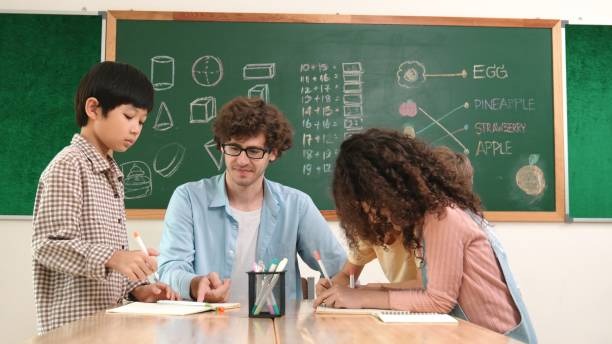
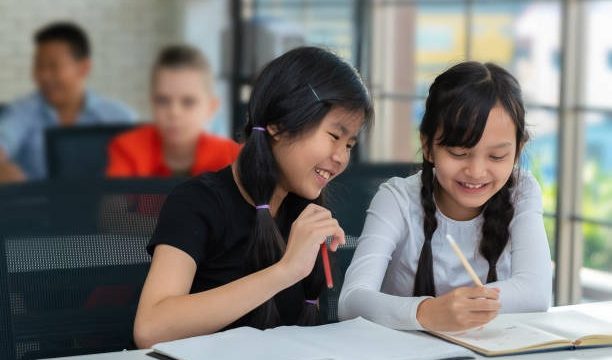
In the ever-evolving landscape of education, innovative teaching methods are becoming more important than ever.
As we navigate the complexities of modern life, educators are tasked with the challenge of not only imparting knowledge but also fostering an environment that nurtures creativity, critical thinking, and emotional well-being.
This shift in approach is not just about technology or new curriculums; it’s about reimagining the entire educational experience to align with the needs and aspirations of today’s learners.
A gentle embrace of technology
One cannot discuss modern teaching methods without acknowledging the role of technology. However, it’s essential to approach this integration with care and intention. Rather than viewing technology as a mere tool for efficiency, educators are finding ways to use it to enhance engagement and collaboration. Virtual classrooms, interactive simulations, and educational apps can transform traditional learning into an immersive experience.
Imagine a history lesson where students can virtually walk through ancient civilizations, or a science class where they conduct experiments in a digital lab. These methods not only capture the attention of students but also allow for a deeper understanding of the subject matter. The key lies in balancing the use of technology with personal interaction, ensuring that it complements rather than replaces the human connection essential to education.
Cultivating emotional intelligence
As we progress into a world that increasingly values emotional intelligence, modern teaching methods are beginning to reflect this shift. Educators are now focusing on social-emotional learning (SEL) as a core component of their curriculum. This approach encourages students to develop self-awareness, empathy, and interpersonal skills, which are crucial for personal and professional success.
Incorporating SEL into the classroom can take many forms. Group discussions, role-playing activities, and reflective journaling are just a few ways teachers can facilitate emotional growth. By creating a safe space for students to express their feelings and thoughts, educators can foster a sense of belonging and community. This nurturing environment not only enhances learning but also equips students with the tools they need to navigate life’s challenges.
A small shift toward balance
In the hustle and bustle of academic life, it’s easy for students to feel overwhelmed. Recognizing the importance of mental health, many educators are embracing mindfulness practices within their teaching methods. These practices can range from simple breathing exercises to guided meditations, helping students find calm and focus amid their busy schedules.
Implementing mindfulness in the classroom not only benefits students but also supports teachers in managing their stress. A collective practice of mindfulness can create a more harmonious classroom atmosphere, leading to improved concentration and a greater sense of well-being for everyone involved. This small shift toward balance can make a significant difference in the overall educational experience.
Fostering creativity through project-based learning
Another innovative approach gaining traction is project-based learning (PBL). This method encourages students to engage in hands-on projects that require critical thinking, collaboration, and creativity. Rather than simply memorizing facts for a test, students work on real-world problems, allowing them to apply their knowledge in meaningful ways.
PBL not only fosters a deeper understanding of the subject matter but also encourages students to take ownership of their learning journey. By allowing room for exploration and creativity, this approach nurtures a sense of curiosity and innovation. Whether it’s designing a sustainable garden or developing a community service project, students are empowered to make a difference while honing essential skills for their future.
The beauty of individualized learning
In a world that celebrates diversity, personalized learning is emerging as a key method in modern education. Recognizing that each student has unique strengths, interests, and learning styles, educators are striving to tailor their teaching approaches accordingly. This could involve differentiated instruction, where lessons are adapted to meet the varied needs of students, or the use of adaptive learning technologies that provide personalized feedback.
Individualized learning not only respects the diverse backgrounds of students but also promotes a growth mindset. By focusing on each learner’s potential, educators create an environment where students feel valued and motivated. This approach encourages them to set personal goals, fostering a love for learning that extends beyond the classroom.
Building community connections
Education does not exist in a vacuum. The most effective teaching methods often involve building strong connections between schools and the surrounding community. Partnerships with local organizations, businesses, and families can enrich the educational experience and provide students with valuable real-world insights.
Community-based learning allows students to engage with their environment, whether through internships, service projects, or mentorship programs. These experiences not only enhance academic learning but also help students develop a sense of responsibility and connection to their community. By fostering these relationships, educators can create a more holistic approach to learning that extends far beyond the classroom walls.
Embracing lifelong learning
Finally, an essential aspect of modern teaching is the cultivation of a lifelong learning mindset. As the world continues to change at a rapid pace, the ability to adapt and grow becomes paramount. Educators are now encouraging students to view learning as a continuous journey rather than a destination.
By instilling a love for learning and curiosity, teachers empower students to seek knowledge throughout their lives. This can be achieved through inquiry-based learning, where students are encouraged to ask questions and explore topics that pique their interest. By fostering this mindset, educators are equipping students with the tools they need to navigate an ever-changing world.
In conclusion, the innovative teaching methods emerging today reflect a deeper understanding of the needs of modern learners. By embracing technology, fostering emotional intelligence, promoting mindfulness, and emphasizing creativity and community connections, educators are creating enriching environments that prepare students for the future. As we continue to explore new ways to inspire and engage, the heart of education remains the same: nurturing curious, compassionate, and capable individuals ready to make their mark on the world.