Education is often seen as a pathway to knowledge, but its impact goes far beyond the acquisition of facts and figures.
It serves as a foundational pillar for building resilient and confident students, nurturing qualities that extend into all areas of life.
In a world that can sometimes feel overwhelming, the ability to adapt and grow is essential. Education provides the tools to navigate challenges, fostering a sense of self-assuredness that can shape a child’s future.
The journey of learning is filled with ups and downs, much like life itself. When students engage with new concepts, they may encounter obstacles that require them to think critically and creatively. This process of grappling with difficulties is where resilience begins to take root. Each time a student faces a challenge, whether it’s mastering a difficult math problem or presenting in front of their peers, they learn that perseverance can lead to success. This realization instills a sense of confidence that encourages them to tackle future challenges head-on.
In nurturing resilience, education also emphasizes the importance of a growth mindset. This concept, popularized by psychologist Carol Dweck, invites students to see their abilities as something that can be developed rather than fixed. When children learn to embrace mistakes as opportunities for growth, they develop a more positive outlook on learning and life. This shift in perspective can be transformative, allowing them to approach challenges with curiosity rather than fear.
Creating a supportive learning environment is crucial in this journey. Teachers and mentors play an essential role in fostering a classroom culture where students feel safe to express themselves and take risks. When educators encourage open dialogue and celebrate effort over perfection, students learn that their voices matter. This validation boosts their self-esteem and empowers them to engage actively in their education. As they become more involved, they experience a sense of ownership over their learning, further enhancing their confidence.
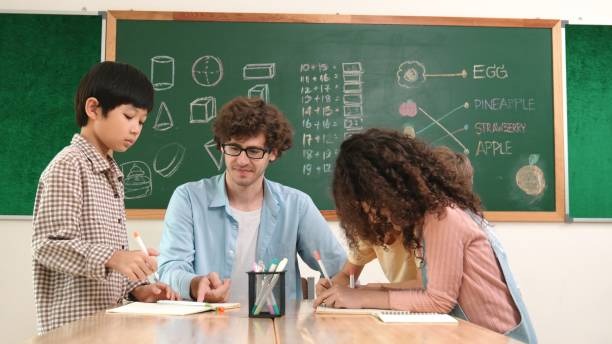
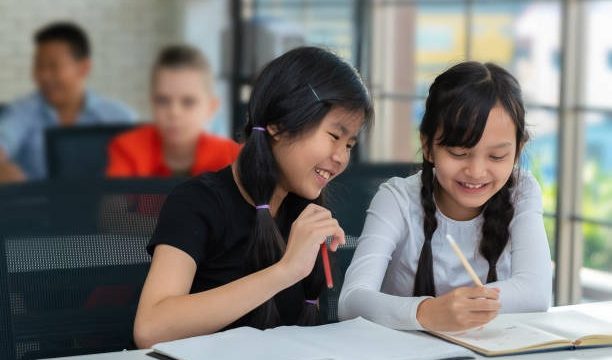
Collaboration is another vital aspect of education that contributes to resilience. Group projects and cooperative learning experiences teach students the value of teamwork and communication. They learn to navigate differences in opinion, share responsibilities, and celebrate collective successes. These experiences not only build social skills but also reinforce the idea that they are not alone in their struggles. The bonds formed with peers during collaborative work can provide a support system that encourages students to push through challenges together.
As students progress through their educational journey, they encounter various subjects and activities that can ignite passions and interests. When students discover what they love, it can lead to a deeper commitment to their education. Whether it’s art, science, literature, or sports, engaging in activities that resonate with them can be a source of joy and motivation. This passion fuels their desire to learn, helping them to develop a sense of identity and confidence in their unique abilities.
The role of parents and caregivers in this process cannot be overstated. When families actively engage in their children’s education, it reinforces the importance of learning and resilience. Encouraging children to ask questions, explore their interests, and express their thoughts fosters a love for learning at home. Additionally, when parents model resilience in their own lives—demonstrating how to handle setbacks and maintain a positive attitude—children are more likely to adopt these behaviors themselves.
As students build confidence and resilience, they also develop essential life skills such as problem-solving and critical thinking. These skills are invaluable, not only in academic settings but in everyday situations. When faced with real-world challenges, confident students are more likely to approach problems with a level head and a willingness to seek solutions. This ability to think on their feet and adapt to changing circumstances prepares them for the complexities of adulthood.
The impact of education on resilience and confidence can also be seen in the importance of setting and achieving goals. Whether they are short-term academic goals or long-term aspirations, the process of working toward a goal teaches students the value of dedication and hard work. Celebrating their achievements, no matter how small, reinforces their belief in their capabilities. This sense of accomplishment can be a powerful motivator, encouraging them to set even more ambitious goals in the future.
In today’s fast-paced and ever-changing world, the qualities of resilience and confidence are more important than ever. Education is not just about filling young minds with information; it is about shaping individuals who can navigate life’s challenges with grace and strength. By fostering these qualities within the educational framework, we are not only preparing students for academic success but also equipping them with the tools they need to thrive in life.
As we reflect on the transformative power of education, it becomes clear that it is a journey of growth, discovery, and empowerment. The experiences and lessons learned within the classroom extend far beyond its walls, influencing how students perceive themselves and their place in the world. Encouraging resilience and confidence in students is a gift that will serve them throughout their lives, helping them to embrace challenges, pursue their passions, and contribute positively to society.
Ultimately, education is a holistic endeavor that nurtures not only the intellect but also the spirit. By prioritizing resilience and confidence, we can create a generation of learners who are not just prepared for the future but are excited to shape it. In this way, education becomes a powerful catalyst for personal growth and societal change, fostering a brighter, more resilient world for all.