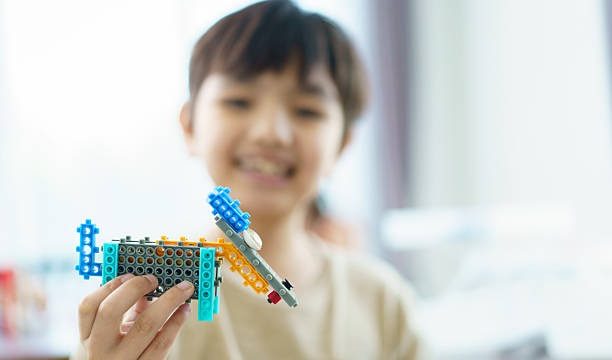
Learning numbers can often feel like a daunting task for young children.
The abstract nature of mathematics can create a barrier to understanding, leaving some kids frustrated and overwhelmed.
However, there is a wonderful world of opportunities to explore numbers in a way that is engaging and fun. Games provide a delightful avenue for children to learn and practice their numerical skills while enjoying the process.
Incorporating games into learning not only makes the experience enjoyable but also helps children retain information more effectively. When children are actively engaged, they are more likely to remember what they have learned. Games can break down complex concepts into manageable, playful experiences. The beauty of learning numbers through games is that it can happen anywhere—at home, in the park, or even during a family gathering.
As parents and caregivers, it’s essential to create an environment that fosters curiosity and exploration. This can be as simple as turning everyday activities into opportunities for number learning. For example, counting the number of apples in a grocery bag can transform a mundane task into a delightful math lesson. Children might not even realize they are learning, as they are having too much fun.
A gentle introduction to counting can begin with simple board games that involve taking turns and counting spaces. Games like Chutes and Ladders or Snakes and Ladders allow children to practice counting without the pressure of formal lessons. As they move their pieces along the board, they engage with numbers in a relaxed and enjoyable setting. These experiences can build a solid foundation for more complex mathematical concepts down the line.
Another engaging way to incorporate numbers into play is through card games. Classic games like Uno or Go Fish not only teach children how to recognize numbers but also help them develop strategic thinking and social skills. As they play, they learn to identify numbers quickly and understand their values in a competitive yet friendly environment. The thrill of winning a game can motivate children to practice their counting skills and improve their number recognition, all while having a great time with family or friends.
Outdoor games can also be a fantastic way to encourage physical activity while learning about numbers. Activities like hopscotch can be adapted to include mathematical challenges. For instance, instead of merely hopping on numbers, children can solve simple addition or subtraction problems at each square. This playful approach integrates movement with learning, making the experience both memorable and effective.
As children grow older, introducing technology can also enhance their learning experience. Many educational apps are designed to teach numbers through interactive games. These apps often feature colorful graphics and engaging storylines that captivate young learners. While screen time should always be moderated, when used thoughtfully, technology can be a powerful ally in fostering a love for numbers.
The beauty of learning through games is that it can be tailored to suit various learning styles. Some children may thrive in a competitive environment, while others may prefer cooperative games that encourage teamwork. Understanding your child’s preferences can guide you in choosing the right games that will resonate with them. This personalized approach not only nurtures their numerical skills but also helps build confidence in their abilities.
It’s also important to remember that the goal is not just to teach numbers but to cultivate a positive attitude toward learning. By creating joyful experiences around numbers, children are more likely to embrace challenges and develop resilience when faced with difficulties. Instead of viewing math as a chore, they can see it as an exciting adventure filled with possibilities.
Family game nights can be a wonderful tradition that fosters connection and learning. Setting aside time each week to play games together encourages bonding while reinforcing numerical skills. Whether it’s a classic board game or a new card game, these moments create lasting memories and provide a safe space for children to explore their understanding of numbers.
As children navigate the world of numbers, it’s essential to celebrate their progress, no matter how small. Encouragement and praise can go a long way in boosting a child’s confidence and motivation. A simple “Great job counting!” or “I love how you solved that problem!” can make a significant difference in how a child perceives their abilities.
Incorporating everyday activities into the learning process can also reinforce the idea that numbers are everywhere. Cooking together offers a fantastic opportunity to practice measurements and counting. As children help measure ingredients or count how many cookies are left, they learn to see the practical side of numbers in a delightful context.
It’s important to create an atmosphere where mistakes are viewed as part of the learning journey. When children feel safe to make errors and learn from them, they are more likely to take risks and explore new mathematical concepts. Games naturally provide this environment, where it’s okay to lose or make a mistake. The focus is on the fun of the experience rather than the outcome.
As you embark on this journey of learning numbers through games, remember to keep the atmosphere light and enjoyable. The goal is to foster a love for learning that will last a lifetime. By intertwining play with education, you are not only teaching your child about numbers but also instilling a sense of curiosity and wonder about the world around them.
In conclusion, learning numbers through games is a beautiful way to create a joyful and engaging experience for children. It allows them to explore mathematics in a relaxed environment, fostering a positive attitude towards learning. By embracing the playful nature of games, you can help your child build a strong foundation in numeracy that will serve them well throughout their educational journey. So gather your family, pick a game, and let the learning unfold naturally through the joy of play.