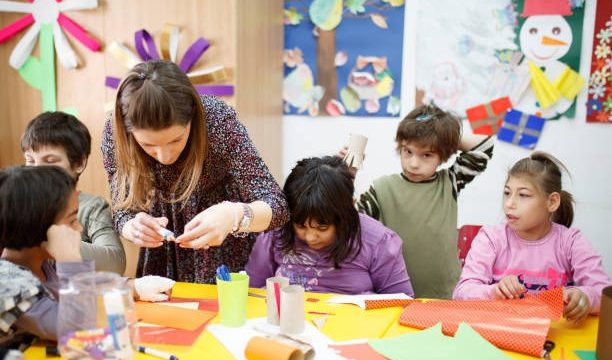
Creating a vibrant classroom atmosphere where discussions flourish is an art that can transform the educational experience.
Engaging students in meaningful conversations not only enhances their understanding of the material but also nurtures critical thinking and social skills.
So how can we cultivate such a rich environment? Here are some gentle strategies to consider.
A small shift toward balance
The first step in fostering meaningful discussions is to establish a balance between teacher-led instruction and student participation. While educators play a crucial role in guiding conversations, it’s equally important to create space for students to express their thoughts and ideas. This can be achieved by encouraging open-ended questions that invite diverse viewpoints. Rather than simply asking students to recall facts, consider posing questions that require deeper reflection. For example, instead of asking, “What is the main idea of the text?” you might ask, “How does this idea connect to your own experiences?” This subtle shift encourages students to engage more personally with the material, making the conversation feel more relevant and impactful.
The power of a safe space
Creating a safe and inclusive environment is essential for meaningful classroom discussions. When students feel comfortable sharing their opinions without fear of judgment, they are more likely to contribute authentically. Establishing ground rules for respectful dialogue can help foster this atmosphere. Encourage students to listen actively and respond thoughtfully to their peers. Remind them that differing opinions are not only acceptable but can enrich the conversation. This approach not only builds confidence in students but also cultivates a sense of community within the classroom.
Nurturing curiosity
Curiosity is a natural catalyst for engaging discussions. By nurturing this quality in students, you can create an environment where they feel inspired to explore new ideas. Encourage them to ask questions—not just about the content being discussed but about each other’s perspectives as well. This can lead to richer conversations that delve deeper into the subject matter. Consider incorporating activities that spark curiosity, such as group projects or debates, where students can explore topics that resonate with them personally. The more invested they are in the discussion, the more meaningful it becomes.
Listening with intention
Effective discussions rely heavily on the art of listening. Teach students the importance of listening with intention, not just waiting for their turn to speak. This practice can be cultivated through exercises that emphasize active listening skills. For instance, you might pair students and have them share their thoughts on a topic, while the other listens without interrupting. Afterward, they can summarize what they heard, which reinforces understanding and shows respect for each other’s contributions. This practice not only helps students develop empathy but also allows for a deeper exploration of ideas.
Encouraging reflection
Reflection is a powerful tool in the learning process. After discussions, take a moment to encourage students to reflect on what they have learned and how their perspectives may have shifted. This can be done through journaling or small group discussions where they can share their insights. Reflection helps solidify understanding and encourages students to think critically about their own beliefs and assumptions. By integrating this practice into the classroom routine, you create a culture of continuous learning and growth.
Connecting to the real world
Bringing real-world connections into classroom discussions can significantly enhance their relevance. Encourage students to explore how the topics being studied relate to current events, personal experiences, or societal issues. This not only enriches the conversation but also helps students see the value of their education beyond the classroom. You might invite guest speakers or use multimedia resources to provide context and stimulate discussion. When students can relate what they are learning to their own lives, discussions become more meaningful and engaging.
Celebrating diverse perspectives
Every student brings a unique perspective to the classroom, shaped by their background, experiences, and beliefs. Celebrating this diversity can lead to more enriching discussions. Encourage students to share their viewpoints and experiences, fostering an environment where different voices are heard and valued. This not only enhances the quality of the conversation but also promotes a sense of belonging among students. By recognizing and honoring these diverse perspectives, you create a classroom culture that is inclusive and supportive.
The art of facilitation
As a facilitator of discussions, your role is to guide the conversation while allowing students to take the lead. This involves being attuned to the dynamics of the group and knowing when to step in or step back. Encourage quieter students to share their thoughts while also managing dominant voices to ensure everyone has a chance to contribute. This balance is crucial in maintaining a harmonious and engaging discussion. Your presence should feel like a gentle nudge, guiding students toward deeper exploration rather than dictating the conversation.
Building a community of learners
Ultimately, the goal of meaningful classroom discussions is to build a community of learners who feel connected to one another and the material. Foster relationships among students by incorporating team-building activities or collaborative projects that encourage cooperation and camaraderie. When students feel a sense of belonging, they are more likely to engage in discussions with enthusiasm and commitment. This sense of community creates a supportive environment where everyone feels valued and motivated to contribute.
In conclusion, making classroom discussions meaningful is a journey that requires patience, intention, and creativity. By establishing a balanced approach, creating a safe space, nurturing curiosity, and celebrating diverse perspectives, you can create an environment where students thrive. Remember that meaningful discussions are not just about the exchange of ideas; they are about fostering connections, building understanding, and inspiring growth. As you embark on this journey, embrace the small shifts that can lead to profound changes in your classroom dynamic. With each conversation, you contribute to a richer, more engaging learning experience for your students.