History often conjures images of dusty textbooks, endless dates, and a parade of long-dead figures that might seem irrelevant to young learners.
However, history is not just a collection of facts; it is a rich tapestry of stories, experiences, and lessons that can deeply resonate with children.
By transforming the way we present history, we can ignite curiosity and foster a love for learning that lasts a lifetime. Here are some gentle strategies to make history exciting for young minds.
Creating a narrative is one of the most effective ways to engage young learners. Children thrive on stories, and history is filled with them. Instead of presenting isolated events, weave a narrative that connects different historical figures and moments. For instance, when discussing the American Revolution, rather than focusing solely on dates and battles, tell the story of a young boy or girl living during that time. What were their hopes, fears, and daily lives like? By personalizing history, children can relate to it on a human level, making it feel relevant and alive.
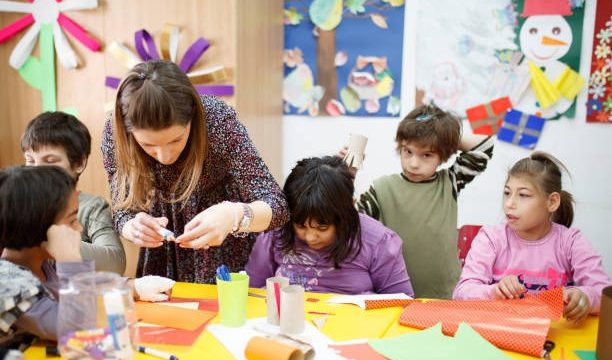
Incorporating hands-on activities can further enhance the learning experience. Children are naturally curious and love to explore. Consider organizing a history-themed project where they can create artifacts, dress up in period costumes, or even reenact historical events. These activities not only make learning fun but also allow children to engage with history in a tangible way. A simple craft project, like making a colonial lantern or baking traditional recipes, can spark interest and lead to deeper discussions about the time period.
Another way to bring history to life is through the use of multimedia. Today’s children are digital natives, and incorporating technology into lessons can capture their attention. Documentaries, podcasts, and interactive websites can provide visually stimulating and informative content that enhances traditional learning methods. For instance, watching a documentary about ancient Egypt could be paired with a virtual tour of the pyramids. This combination of visual and auditory learning can help solidify concepts and make history more memorable.
Exploring local history is another approach that can make the subject more relatable. Encourage young learners to discover the history of their own community. This could involve visiting local museums, historical sites, or even interviewing older community members about their experiences. Understanding how history has shaped their immediate environment can create a sense of connection and pride. It transforms history from a distant concept into something that is part of their everyday lives.
Encouraging critical thinking can also enrich the learning experience. Rather than simply absorbing information, invite children to ask questions and draw connections. Discussions can revolve around the motivations of historical figures or the implications of certain events. For instance, when discussing the civil rights movement, engage learners in conversations about fairness and justice. How can they relate those themes to their own lives today? This approach not only deepens their understanding of history but also fosters important skills such as analysis and empathy.
Another gentle way to inspire interest in history is through literature. There are countless engaging historical fiction books that can transport young readers to different times and places. Stories that feature relatable characters can help children understand the emotional and social contexts of historical events. Encourage reading by creating a cozy space where children can delve into these books, perhaps even pairing them with themed snacks or activities that relate to the story. This makes reading not just an educational task but a delightful experience.
Engaging with history through art can also be a powerful tool. Encourage young learners to express their understanding of historical events through drawing, painting, or even creating digital art. This allows them to process what they’ve learned in a creative way. Art projects inspired by historical themes can serve as a springboard for discussions about the significance of those events, making the learning experience holistic and multifaceted.
Field trips can be an exciting way to immerse children in history. Visiting historical sites, museums, or reenactment events can offer a firsthand glimpse into the past. If possible, choose destinations that are interactive or offer guided tours designed for younger audiences. These experiences can leave lasting impressions and make history feel vibrant and accessible.
Creating a timeline together can also be a fun and educational activity. Children can take ownership of the timeline by adding images, drawings, or their own notes about significant events. This visual representation can help them understand the chronological progression of history and see how events are interconnected. It can also serve as a useful reference that they can look back on as they continue to learn.
Finally, fostering a culture of curiosity at home or in the classroom is essential. Encourage young learners to ask questions and explore topics that intrigue them. Creating an open environment where they feel comfortable expressing their thoughts will encourage a lifelong love of learning. Celebrate their discoveries, no matter how small, and engage in discussions that extend beyond the classroom.
History is not merely a list of dates and names; it is an exploration of humanity’s journey. By presenting it as a vibrant narrative filled with relatable experiences, engaging activities, and open discussions, we can transform young learners’ perceptions of the past. With a little creativity and a lot of heart, we can inspire the next generation to appreciate and learn from history in a way that feels meaningful and exciting. As they explore the stories of those who came before them, they may just find the inspiration to shape their own stories in the future.