In a world that is ever-evolving, the importance of lifelong learning cannot be overstated.
This is particularly true in classrooms, where the seeds of curiosity and knowledge are sown.
Encouraging lifelong learning in every classroom is not just about imparting knowledge; it’s about nurturing a mindset that embraces growth and exploration. Here are some gentle yet effective ways to create an environment that fosters this enriching journey.
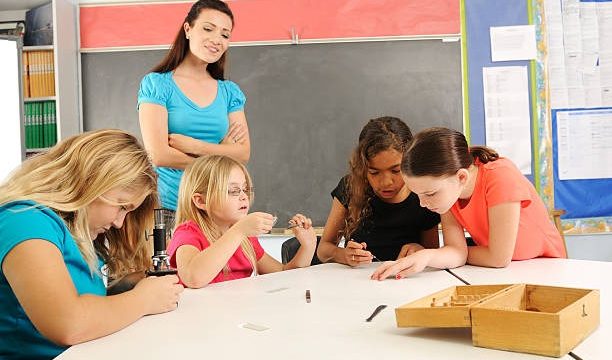
Creating a welcoming atmosphere is a beautiful first step. When students feel safe and valued, they are more likely to express their thoughts and questions. A warm classroom, where laughter and ideas flow freely, encourages students to take risks and engage with the material at hand. Simple gestures, like greeting each student with a smile or fostering small group discussions, can cultivate a sense of belonging. This sense of community lays the groundwork for a culture of learning that extends beyond the classroom walls.
Encouraging curiosity is another essential aspect of promoting lifelong learning. Curiosity is the spark that ignites a desire to explore and understand the world. Teachers can nurture this natural inclination by asking open-ended questions that invite students to think critically and creatively. Instead of merely seeking correct answers, educators can frame discussions around “what if” scenarios or encourage students to share their thoughts on various topics. This not only makes learning more interactive but also instills a sense of ownership over their educational journey.
Integrating real-world connections into lessons can further enhance this spirit of inquiry. When students see how what they learn relates to the world outside their classroom, they are more likely to engage with the material. Field trips, guest speakers, or even virtual tours can make lessons come alive. By linking academic subjects to real-life experiences, educators can inspire students to see learning as a continuous adventure, not just a series of tasks to complete.
Another gentle approach to fostering lifelong learning is to model a love for learning. Teachers can share their own experiences of exploring new interests or tackling challenges. When students see their educators as lifelong learners, they are more likely to adopt a similar mindset. Sharing stories of personal growth, whether it’s learning a new skill or pursuing a passion project, can inspire students to embrace their learning journeys. This authenticity creates a bridge of trust and encourages students to take their own steps toward exploration.
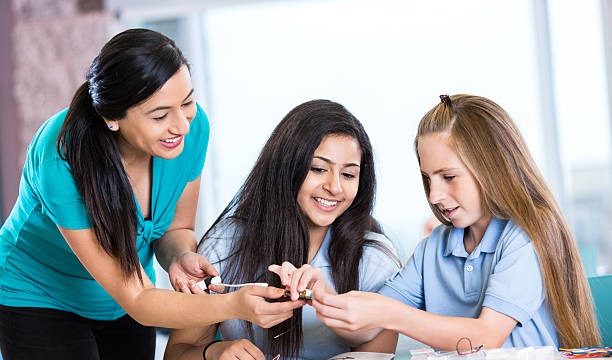
Encouraging collaboration among students is also vital in creating a culture of lifelong learning. Group projects or collaborative problem-solving activities can foster teamwork and communication skills. When students work together, they learn from each other’s perspectives and experiences, creating a richer learning environment. This shared experience builds camaraderie and reinforces the idea that learning is not a solitary endeavor but a collective journey.
A small shift toward balance can also be beneficial. While it’s important to cultivate a rigorous academic environment, allowing for moments of creativity and play can enhance the learning experience. Incorporating art, music, or hands-on activities can break the monotony of traditional learning. These moments not only stimulate creativity but also provide students with opportunities to express themselves in diverse ways. By creating a balanced curriculum, educators can help students discover their passions and interests, paving the way for lifelong learning.
Recognizing and celebrating small successes can have a profound impact on students’ motivation. Acknowledging effort, progress, and achievements—no matter how minor—can boost confidence and encourage students to continue striving for more. Simple gestures like praising a student’s unique approach to a problem or showcasing their work in the classroom can make a significant difference. This positive reinforcement nurtures a growth mindset, where students view challenges as opportunities for learning rather than obstacles.
Incorporating technology thoughtfully can also support lifelong learning. In this digital age, leveraging educational tools and resources can enhance the learning experience. Platforms that offer interactive content, online courses, or virtual reality experiences can broaden students’ horizons. However, it’s essential to guide students in using technology as a tool for exploration rather than a distraction. Teaching them how to seek information, evaluate sources, and engage with digital content responsibly prepares them for a world where continuous learning is essential.
Encouraging reflection is a subtle yet powerful way to foster a mindset of lifelong learning. Providing students with time and space to think about their learning experiences can deepen their understanding. Journals, class discussions, or one-on-one check-ins can help students articulate their thoughts and feelings about their educational journey. This practice not only promotes self-awareness but also allows students to recognize their growth, setting the stage for future exploration.
Finally, fostering a sense of purpose in learning can significantly contribute to lifelong education. Helping students understand the ‘why’ behind their studies can ignite passion and motivation. Connecting lessons to their interests, goals, or future aspirations makes learning relevant and meaningful. When students see the value in what they are learning, they are more likely to embrace it wholeheartedly.
In essence, encouraging lifelong learning in every classroom is about creating a nurturing environment where curiosity thrives, collaboration flourishes, and every student feels empowered. By fostering a culture that values exploration, reflection, and connection, educators can inspire students to embark on a lifelong journey of discovery. This journey is not just about accumulating knowledge but about embracing the beauty of learning as a continuous, enriching experience that shapes lives and opens doors to endless possibilities. In doing so, we prepare students not only for academic success but for a fulfilling life of exploration and growth.