In our fast-paced world, the traditional methods of education often leave us yearning for something more.
Many of us have experienced classrooms filled with theory, yet when it comes to applying that knowledge in real life, we sometimes feel unprepared.
Open learning, a concept that emphasizes flexibility and accessibility, is emerging as a refreshing alternative, bridging the gap between theory and practical skills. It invites us to explore our interests in a way that feels both authentic and relevant to our lives.
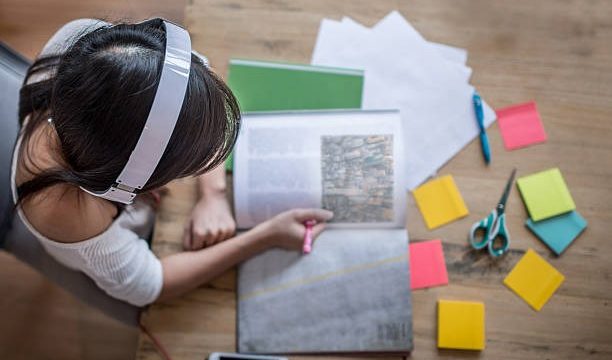
Open learning is about breaking the confines of conventional education. It encourages learners to take charge of their journeys, exploring subjects that resonate with them on a personal level. This approach fosters a sense of ownership and motivation, allowing individuals to dive into topics that spark their curiosity, whether it’s digital marketing, graphic design, or even gardening. The beauty of open learning lies in its adaptability; it’s not about fitting into a rigid curriculum but rather about crafting a unique path that aligns with one’s aspirations.
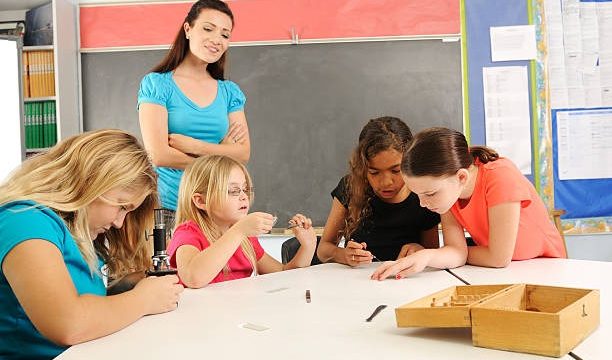
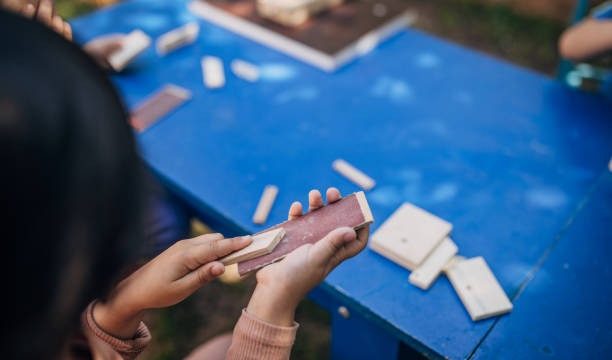
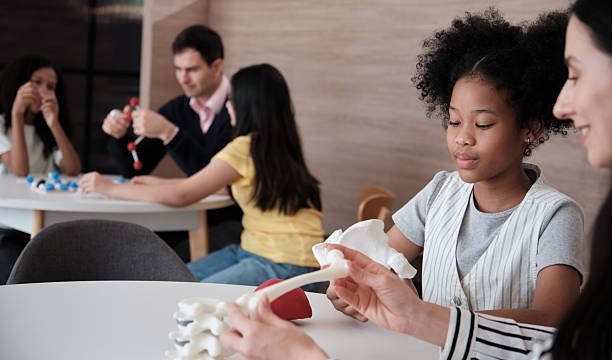
As we navigate this landscape, we find that open learning offers us the opportunity to acquire real-world skills that can enhance both our personal and professional lives. Traditional education often focuses on theoretical knowledge, which can feel distant from the realities of the workplace. In contrast, open learning embraces practical applications, equipping us with tools that we can use immediately. By engaging in hands-on experiences, whether through online courses, workshops, or community projects, we can develop skills that are not only relevant but also deeply satisfying.
A gentle shift toward balance becomes apparent when we consider how open learning encourages us to blend our passions with practical skills. Picture someone who has always loved cooking but has never thought of it as a potential career. Through open learning platforms, they might discover courses on culinary arts, food photography, or even food blogging. This exploration transforms a hobby into a viable skill set, opening doors to new opportunities. It’s a harmonious dance between what we love and what the world needs.
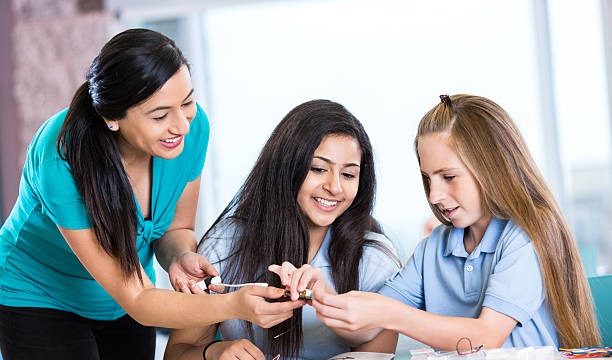
Moreover, open learning fosters a sense of community. Online forums, social media groups, and local meet-ups create spaces where learners can connect, share experiences, and collaborate. This sense of belonging can be incredibly empowering, as it reinforces the idea that we are not alone in our journeys. The exchange of ideas and support among peers often leads to unexpected friendships and collaborations, enriching the learning experience even further.
As we embrace this new paradigm, it’s important to remember that open learning is not solely about the acquisition of skills. It’s also about cultivating a mindset of curiosity and resilience. In a world that is constantly evolving, the ability to adapt and learn is invaluable. Open learning encourages us to view challenges as opportunities for growth. When we encounter obstacles, we learn to approach them with a sense of curiosity rather than fear. This shift in perspective can be liberating, allowing us to embrace the learning process as a lifelong journey.
In addition to fostering practical skills, open learning also emphasizes the importance of self-reflection. As we engage with new material and experiences, we are invited to pause and consider how these lessons resonate with our values and goals. This introspection can lead to profound insights, helping us to clarify what truly matters to us. Whether it’s understanding our strengths, identifying areas for improvement, or simply recognizing our passions, self-reflection becomes a guiding light on our learning paths.
For those seeking to incorporate open learning into their lives, the options are abundant. Online platforms offer a wealth of resources, from video tutorials to interactive courses. Local community centers and organizations often host workshops that encourage hands-on learning. Even exploring a new hobby or volunteering for a cause can be a form of open learning, allowing us to acquire skills while contributing to something greater than ourselves. The key is to remain open to new experiences and to approach learning with a sense of wonder.
As we reflect on the journey of open learning, we recognize that it is not a destination but rather a continuous process. The skills we acquire and the connections we make along the way shape who we are and how we navigate the world. Each step taken in this journey brings us closer to a deeper understanding of ourselves and our place in the community.
In a society that often prioritizes credentials and formal qualifications, open learning invites us to redefine success. It encourages us to value the skills we cultivate through exploration, experimentation, and collaboration. By embracing this mindset, we can create a more inclusive and diverse landscape of knowledge, where everyone has the opportunity to thrive.
Ultimately, open learning is about embracing the journey of discovery and growth. It reminds us that education is not confined to classrooms or textbooks; it is a vibrant tapestry woven from our experiences, passions, and aspirations. As we engage with the world around us, let us approach learning with an open heart and a curious mind. In doing so, we empower ourselves to cultivate real-world skills that enrich our lives and contribute meaningfully to the world. The path may be winding, but it is filled with endless possibilities waiting to be explored.