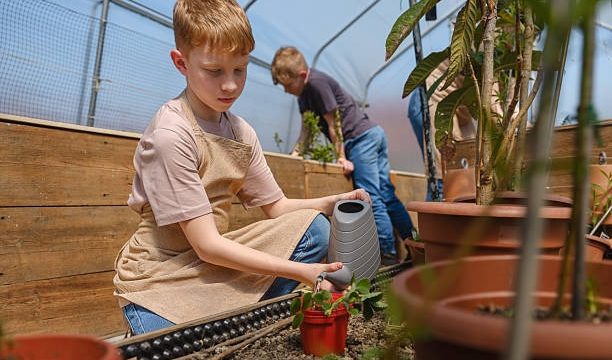
In today’s world, where sustainability and innovation are key to our future, science plays an increasingly vital role in transforming agriculture.
The marriage of scientific knowledge and farming practices has led to remarkable advancements that not only enhance crop yields but also promote environmental stewardship.
This journey into the heart of agricultural science reveals how it nurtures our planet and ensures a sustainable food supply for generations to come.
A gentle evolution of farming practices
For centuries, farmers relied on traditional methods passed down through generations. While these techniques have their merits, they often fell short in addressing the challenges posed by climate change, population growth, and limited resources. Enter science, which has provided fresh perspectives and tools to revitalize farming.
One of the most significant contributions of science to agriculture is the development of genetically modified organisms (GMOs). These crops are engineered to exhibit desirable traits, such as resistance to pests and diseases or enhanced nutritional content. By reducing the reliance on chemical pesticides, GMOs have the potential to lessen the environmental impact of farming while ensuring that farmers can produce enough food to meet the needs of a growing global population.
A small shift toward balance
As we explore the scientific advancements in agriculture, it is essential to consider the balance between productivity and sustainability. Precision agriculture is one such approach that exemplifies this harmony. Utilizing technologies like GPS, sensors, and drones, farmers can now monitor their fields with incredible accuracy. This data-driven approach allows for more efficient use of water, fertilizers, and pesticides, minimizing waste and reducing the ecological footprint of farming.
Moreover, precision agriculture enables farmers to tailor their practices to the specific needs of their crops and soil, enhancing both yield and quality. This thoughtful attention to detail reflects a growing understanding that agriculture does not exist in isolation but is part of a larger ecosystem. When farmers work in tandem with nature, they can cultivate healthier crops and foster biodiversity, which ultimately benefits the planet.
Nurturing the soil
Soil health is a cornerstone of sustainable agriculture, and scientific research has shed light on the intricate relationship between soil, plants, and microorganisms. By understanding these dynamics, farmers can adopt practices that enhance soil fertility and structure. Techniques such as cover cropping, crop rotation, and reduced tillage help maintain soil health, fostering a thriving environment for crops to flourish.
Furthermore, the advent of soil microbiome research has opened new avenues for improving agricultural practices. Scientists are discovering that the diverse community of microorganisms in the soil plays a crucial role in nutrient cycling and plant health. By harnessing the power of beneficial microbes, farmers can enhance crop resilience and reduce the need for synthetic fertilizers.
A holistic approach to pest management
Pest management has long been a challenge for farmers, but science has ushered in innovative strategies that prioritize ecological balance. Integrated pest management (IPM) combines various techniques, including biological control, habitat manipulation, and the judicious use of chemical treatments when necessary. This holistic approach reduces the reliance on harmful pesticides while promoting natural predators, creating a more harmonious farming environment.
Additionally, advancements in biotechnology have led to the development of biopesticides derived from natural sources. These alternatives are often less harmful to beneficial insects and the environment, offering a sustainable solution to pest control. As farmers embrace these methods, they contribute to a healthier ecosystem while maintaining productivity.
The role of climate-smart agriculture
As the effects of climate change become increasingly apparent, the need for climate-smart agriculture has never been more urgent. This approach focuses on adapting to changing weather patterns and minimizing agriculture’s contribution to greenhouse gas emissions. Scientific research has identified practices such as agroforestry, conservation agriculture, and improved water management as essential components of climate-smart farming.
Agroforestry, for instance, integrates trees into agricultural landscapes, providing shade, reducing erosion, and enhancing biodiversity. This practice not only supports crop production but also sequesters carbon, mitigating the impact of climate change. By adopting climate-smart strategies, farmers can build resilience in their operations while contributing to the global effort to combat climate change.
Innovation through technology
The intersection of agriculture and technology has paved the way for exciting innovations that enhance efficiency and sustainability. From automated machinery to artificial intelligence, technology is transforming the way we grow food. Smart irrigation systems, for example, optimize water use by delivering precise amounts of water based on real-time data, helping to conserve this precious resource.
Additionally, advancements in data analytics allow farmers to make informed decisions that improve crop management and reduce waste. By harnessing technology, farmers can adapt more quickly to changing conditions, ensuring that their practices remain sustainable and productive.
Fostering community and knowledge sharing
As science continues to shape agriculture, the importance of community and knowledge sharing cannot be overstated. Agricultural research institutions, extension services, and farmer cooperatives play a crucial role in disseminating information and best practices. By fostering collaboration among farmers, scientists, and policymakers, we can create a supportive network that drives innovation and sustainability.
Community-supported agriculture (CSA) programs are another beautiful manifestation of this collaborative spirit. By connecting consumers directly with local farmers, CSAs promote sustainable practices and strengthen the local economy. This relationship not only supports farmers but also fosters a sense of community and appreciation for the food we consume.
Looking ahead with hope
The future of agriculture is bright, thanks to the remarkable advancements driven by science. As we face the challenges of a changing world, the integration of innovative practices and technologies offers a path toward a more sustainable and resilient food system. By embracing the principles of science, we can cultivate a harmonious relationship with the land, ensuring that we nourish ourselves while caring for the planet.
In this journey, every small step counts. Whether you’re a farmer, a consumer, or simply a curious mind, embracing scientific advancements in agriculture contributes to a healthier, more sustainable world. Together, we can foster a future where agriculture thrives in balance with nature, nourishing both our bodies and our planet.