In the fast-paced world of education, students often find themselves navigating a maze of expectations, responsibilities, and aspirations.
The journey toward achieving their goals can feel overwhelming at times.
However, one of the most effective ways to support students on this journey is through knowledge events. These gatherings can serve as beacons of inspiration, providing students with the tools they need to flourish academically and personally.
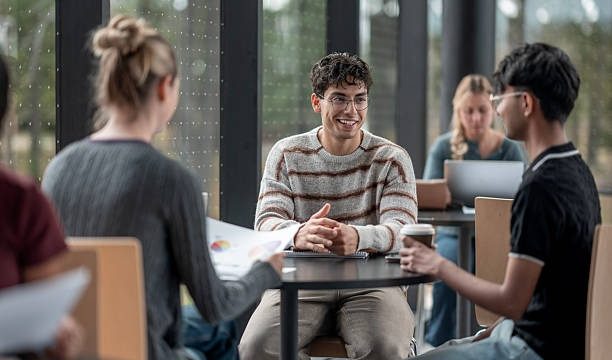
Creating a nurturing environment is essential for students to thrive. Knowledge events, whether they take the form of workshops, seminars, or informal gatherings, can provide a space where students feel encouraged to explore new ideas and share their experiences. The beauty of these events lies in their ability to foster a sense of community, allowing students to connect with their peers and mentors in meaningful ways.
Understanding the unique challenges that students face today is crucial. The pressures of academic performance, social dynamics, and future career paths can weigh heavily on their minds. Knowledge events can serve as a gentle reminder that they are not alone in their struggles. By bringing together individuals who share similar experiences, students can find solace in knowing that others are navigating similar paths. This sense of belonging can be incredibly uplifting, empowering students to set and pursue their goals with renewed vigor.
In addition to community building, knowledge events can provide students with access to valuable resources. Workshops led by experts in various fields can introduce students to new concepts and skills that may not be covered in traditional classroom settings. For instance, a workshop on time management can equip students with practical strategies to balance their academic workload, extracurricular activities, and personal time. By gaining these skills, students can feel more confident in their abilities to manage their responsibilities, ultimately leading to a greater sense of accomplishment.
Moreover, knowledge events often feature guest speakers who share their personal journeys and insights. Hearing the stories of individuals who have faced challenges and emerged stronger can be incredibly motivating for students. These narratives serve as powerful reminders that setbacks are a natural part of the learning process. When students see that success is attainable, even after facing obstacles, they may feel inspired to push through their own difficulties and strive for their goals.
A small shift toward balance can also be achieved through the integration of wellness activities into knowledge events. Mindfulness practices, such as meditation or yoga, can help students cultivate a sense of calm and focus amidst the chaos of their academic lives. Incorporating these elements into knowledge events not only promotes mental well-being but also encourages students to prioritize self-care as they pursue their aspirations. When students learn to take care of their mental and emotional health, they are better equipped to tackle the challenges that come their way.
Collaboration is another key aspect of knowledge events that can significantly benefit students. Working together on projects or engaging in discussions can spark creativity and inspire innovative thinking. When students collaborate, they learn to appreciate diverse perspectives and develop essential teamwork skills that will serve them well in their future careers. The friendships formed during these events can also provide a support system that extends beyond the classroom, fostering connections that last a lifetime.
As students engage with their peers and mentors during knowledge events, they also have the opportunity to set tangible goals. Whether it’s improving their grades, exploring new interests, or preparing for college applications, having clear objectives can provide direction and motivation. Knowledge events can serve as platforms for students to articulate their aspirations and receive feedback from others, helping them refine their goals and develop actionable plans to achieve them.
Celebrating achievements, no matter how small, is an important part of the journey. Knowledge events can incorporate moments of recognition, where students can share their successes with others. This acknowledgment not only boosts confidence but also reinforces the idea that progress is worth celebrating. When students take the time to reflect on their accomplishments, they are reminded of their capabilities and the hard work they have put into reaching their goals.
As we explore the impact of knowledge events on students’ journeys, it is important to recognize the role of educators and mentors in this process. Their guidance and support can make a world of difference in helping students navigate their paths. By fostering an environment that values curiosity, creativity, and collaboration, educators can inspire students to embrace their passions and pursue their dreams with enthusiasm.
In conclusion, knowledge events are powerful tools for helping students reach their goals. By creating a supportive community, providing access to valuable resources, and fostering collaboration, these gatherings can empower students to embrace their journeys with confidence. As they connect with others, learn new skills, and celebrate their achievements, students can discover the strength within themselves to pursue their aspirations. In a world that often feels overwhelming, knowledge events can serve as a gentle reminder that growth is a shared experience, and every step taken toward a goal is a step worth celebrating.