In a world brimming with information, the quest for knowledge can sometimes feel overwhelming.
Yet, within this sea of facts and figures lies a unique approach that not only enhances learning but also brings a sense of community and engagement: knowledge contests.
These friendly competitions are more than just a race to answer questions correctly; they are an innovative way to improve study techniques, foster collaboration, and make learning a delightful experience.
The joy of learning can sometimes get lost in the demands of traditional study methods. Long hours spent poring over textbooks can lead to fatigue and, dare we say, a bit of boredom. However, knowledge contests introduce a refreshing dynamic that transforms the way we engage with information. They create an environment where learning becomes an adventure rather than a chore. When participants are encouraged to test their knowledge in a fun and competitive setting, the process of studying transforms into an exciting challenge.
A significant benefit of knowledge contests is their ability to motivate participants to dive deeper into their subjects. The thrill of competition can ignite a spark of curiosity that might otherwise remain dormant. When individuals are preparing for a contest, they often find themselves exploring topics beyond the surface level. This exploration helps to develop a richer understanding of the material, fostering a connection that goes far beyond rote memorization.
In addition to enhancing comprehension, knowledge contests encourage the development of effective study strategies. Participants quickly learn that cramming the night before a competition is rarely the path to success. Instead, they begin to cultivate habits that promote consistent study and retention of information. This shift toward regular engagement with the material can lead to a more profound and lasting understanding of the subject matter.
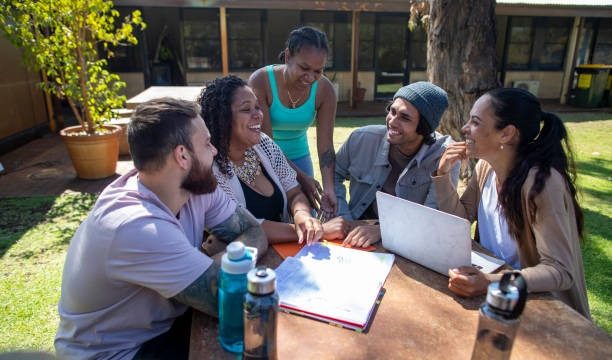
As participants prepare for knowledge contests, they often turn to various study techniques to maximize their performance. From group study sessions to engaging in discussions with peers, the collaborative nature of these contests encourages individuals to share their knowledge and learn from one another. This exchange creates a supportive learning environment, where everyone can benefit from the diverse perspectives and insights of their fellow participants.
A small shift toward balance can also be seen in the way knowledge contests promote healthy competition. While the thrill of winning can be exhilarating, the focus is often on personal growth and improvement rather than solely on the end result. This mindset fosters resilience and encourages participants to view challenges as opportunities for learning. Instead of feeling discouraged by mistakes, individuals begin to appreciate the value of each experience, regardless of the outcome.
Knowledge contests also serve as excellent opportunities to develop critical thinking and problem-solving skills. Many contests present participants with scenarios or questions that require them to think on their feet and apply their knowledge in real-time. This ability to adapt and think critically is invaluable, not just in academic settings but also in everyday life. The skills honed during these contests can empower individuals to approach challenges with confidence and creativity.
Furthermore, knowledge contests can help participants discover new passions and interests. As they explore different topics in preparation for these competitions, they may stumble upon subjects they never considered before. This newfound curiosity can lead to a lifelong love of learning and an eagerness to explore various fields of knowledge.
The social aspect of knowledge contests cannot be overlooked. They bring people together, whether in a classroom setting, a community event, or even online platforms. This sense of camaraderie fosters connections among participants, creating a shared experience that goes beyond the contest itself. These relationships can lead to study groups that continue long after the competition is over, providing ongoing support and motivation.
Moreover, knowledge contests can be tailored to suit various age groups and interests, making them accessible to a wide audience. Whether it’s a trivia night at a local café, an academic competition in schools, or an online quiz challenge, there is a knowledge contest for everyone. This inclusivity allows individuals from different backgrounds and skill levels to engage in the joy of learning, creating a rich tapestry of shared knowledge and experiences.
As we navigate the complexities of our modern world, the importance of continuous learning cannot be overstated. Knowledge contests offer a unique avenue for individuals to engage with new ideas, refine their study techniques, and connect with others. By embracing this approach to learning, we cultivate a mindset that values curiosity, resilience, and collaboration.
In conclusion, knowledge contests are more than mere competitions; they are transformative experiences that enhance study techniques and foster a love for learning. They encourage participants to explore subjects deeply, develop effective strategies for retention, and build meaningful connections with others. As we embrace the joy of knowledge contests, we not only improve our academic skills but also enrich our lives with the thrill of discovery and the warmth of community. So, whether you’re a seasoned scholar or just starting your learning journey, consider diving into the world of knowledge contests. You might just find that the path to wisdom is a delightful adventure waiting to be explored.