In a world where education is constantly evolving, academic competitions have carved out a unique space for themselves, becoming more than just events where students showcase their knowledge.
They represent opportunities for personal growth, skill development, and a deeper understanding of the subjects that pique their interest.
As students navigate the often-challenging landscape of academics, these competitions can play a pivotal role in shaping their success, both inside and outside the classroom.
A gentle introduction to academic competitions reveals that they come in various forms, from math and science Olympiads to debate tournaments and writing contests. Each type offers its own set of challenges, pushing students to engage with their material in new and exciting ways. The thrill of competition injects a sense of purpose into learning, encouraging students to go beyond rote memorization and explore concepts more deeply. This exploration fosters a love for learning that can last a lifetime.
Engaging in academic competitions also helps students develop critical thinking skills. When faced with complex problems or the need to construct persuasive arguments, they learn to analyze information, weigh options, and make informed decisions. These are essential skills that extend far beyond the classroom, preparing students for the complexities of real-world scenarios. The ability to think critically not only enhances academic performance but also empowers students to navigate challenges in their personal and professional lives.
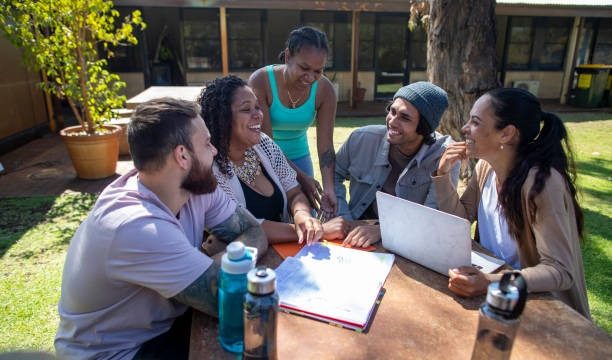
Another significant benefit of participating in academic competitions is the opportunity for collaboration and teamwork. Many competitions require students to work in groups, fostering a sense of community and camaraderie. This collaborative spirit teaches valuable lessons about communication, compromise, and shared responsibility. Students learn that success is often a collective effort, and they develop interpersonal skills that will serve them well in future endeavors.
As students engage in these competitions, they also cultivate resilience. The journey is not always smooth; there are setbacks, disappointments, and moments of self-doubt. However, facing these challenges head-on helps students build character. They learn to embrace failure as a stepping stone rather than a stumbling block, developing a growth mindset that encourages them to keep striving for improvement. This resilience becomes a crucial asset as they encounter obstacles in their academic and personal lives.
A small shift toward balance can also be found in the way academic competitions encourage time management and prioritization. Preparing for these events often involves juggling multiple commitments, from schoolwork to extracurricular activities. Students must learn to allocate their time effectively, setting goals and adhering to deadlines. These skills not only support success in competitions but also create a solid foundation for future academic pursuits and career aspirations.
While the academic aspect of these competitions is certainly important, the social benefits cannot be overlooked. Students often meet peers from different backgrounds and schools, broadening their perspectives and fostering friendships that can last a lifetime. This network of like-minded individuals can be a source of support and inspiration, encouraging students to pursue their passions and strive for excellence. The connections made through academic competitions can lead to collaborative projects, mentorship opportunities, and even lifelong friendships.
For many students, the thrill of competition can ignite a passion for a specific subject. Whether it’s the intricate world of mathematics or the eloquence of public speaking, these events can help students discover their interests and talents. This newfound enthusiasm can guide them toward future academic and career choices, providing clarity in a world that often feels overwhelming. When students find joy in learning, they are more likely to pursue their studies with vigor and dedication.
As we reflect on the importance of academic competitions, it’s essential to recognize that they are not solely about winning or losing. The experience itself is invaluable, offering lessons that extend far beyond the outcomes. Students learn to set goals, embrace challenges, and celebrate their achievements, no matter how small. This holistic approach to education fosters a sense of fulfillment and purpose, nurturing well-rounded individuals who are prepared for the complexities of life.
In a society that often emphasizes standardized testing and grades, academic competitions provide a refreshing alternative. They celebrate creativity, critical thinking, and collaboration in ways that traditional assessments may not. By promoting a more comprehensive understanding of student success, these competitions encourage a love for learning that can last a lifetime. They remind us that education is not just about acquiring knowledge but also about personal growth and the development of essential life skills.
As we support students in their academic journeys, let’s encourage them to explore the world of competitions. These experiences can be transformative, offering opportunities for growth, resilience, and connection. In a landscape filled with challenges, academic competitions shine as beacons of hope, guiding students toward a brighter future. They invite young minds to embrace their passions, develop their skills, and step confidently into the world, armed with the knowledge and experience that will serve them well in all their future endeavors.
In conclusion, academic competitions matter because they enrich the educational experience, fostering personal growth and skill development. They teach students to think critically, work collaboratively, and embrace resilience. Most importantly, they instill a lifelong love for learning, guiding students toward success in all aspects of their lives. As we celebrate these opportunities, we recognize their role in shaping the leaders of tomorrow, nurturing individuals who are not only knowledgeable but also compassionate and capable of making a positive impact in the world.