In the world of academia, competitions can be exhilarating yet daunting experiences.
Whether it’s a science fair, a debate tournament, or a math competition, the thrill of showcasing knowledge and skills can be both a source of joy and a cause for anxiety.
Amidst this whirlwind of emotions, one element stands out as a cornerstone of success: preparation. The value of preparation in academic competitions goes beyond just knowing facts or mastering skills; it fosters a sense of confidence and cultivates a growth mindset.
When we think about preparation, it’s easy to picture late-night cramming sessions or endless hours of practice. While these elements are part of the process, preparation is much more holistic. It involves a thoughtful approach to learning, time management, and self-care. Each of these components plays a vital role in ensuring that competitors not only perform well but also enjoy the journey along the way.
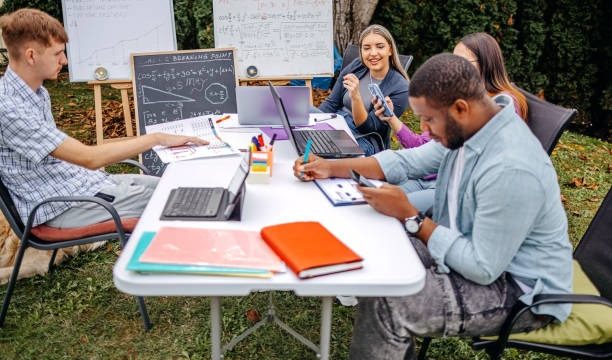
Creating a nurturing environment for learning is a significant first step. This means setting up a space that is free from distractions, where one feels comfortable and motivated to engage with the material. It could be a cozy corner of the living room, a quiet library nook, or even a favorite café. The key is to find a spot that encourages focus and creativity. When students feel at ease in their surroundings, they are more likely to dive deep into their studies and explore ideas with curiosity.
Time management is another crucial aspect of preparation. It’s easy to feel overwhelmed by the vast amount of information and skills required for competition. However, breaking down the preparation into manageable chunks can make the process feel less intimidating. Creating a study schedule that allocates specific times for each subject or skill can help maintain balance and ensure that all areas are covered. This not only alleviates the last-minute rush but also allows for deeper understanding and retention of knowledge.
As students embark on their preparation journey, it’s essential to remember that learning is not a race. Everyone has their own pace, and it’s perfectly okay to take time to grasp complex concepts. Embracing a growth mindset can transform the way one approaches challenges. Instead of viewing difficulties as setbacks, they can be seen as opportunities for growth. This perspective shift can foster resilience, encouraging students to push through obstacles and celebrate their progress, no matter how small.
Incorporating regular practice sessions into preparation is vital. These sessions should mimic the competition environment as closely as possible. For example, participating in mock debates or timed quizzes can help students acclimate to the pressure of competition. Practicing in a simulated setting allows competitors to identify areas for improvement and build confidence. Moreover, it offers a chance to receive constructive feedback from peers or mentors, which can be invaluable in refining skills.
While the focus is often on academic excellence, it’s equally important to prioritize mental and physical well-being during preparation. Engaging in regular physical activity, whether through sports, yoga, or simply taking walks, can enhance cognitive function and reduce stress. Additionally, mindfulness practices, such as meditation or deep breathing exercises, can help calm the mind and improve focus. Taking breaks to recharge is not a sign of weakness; rather, it is an essential part of maintaining balance and sustaining motivation.
As the competition date approaches, the importance of self-reflection becomes increasingly apparent. Taking time to assess one’s strengths and weaknesses can provide clarity on what areas need more attention. Journaling can be an excellent tool for this, allowing students to articulate their thoughts and feelings about their preparation journey. Reflecting on what has been learned and how far they’ve come can instill a sense of accomplishment, regardless of the outcome of the competition.
When the day of the competition finally arrives, the culmination of all the hard work and preparation can be both thrilling and nerve-wracking. It’s important to approach the event with a calm and collected mindset. Reminding oneself of the journey and the preparation that has taken place can help alleviate anxiety. Visualizing success, while also being open to learning from the experience, can create a positive atmosphere that encourages performance.
Ultimately, the true value of preparation in academic competitions lies in the personal growth that occurs throughout the process. It teaches important life skills such as discipline, time management, and resilience. These skills extend far beyond the competition itself, influencing future academic pursuits and personal endeavors. Each experience, whether it results in victory or defeat, contributes to a richer understanding of oneself and the world.
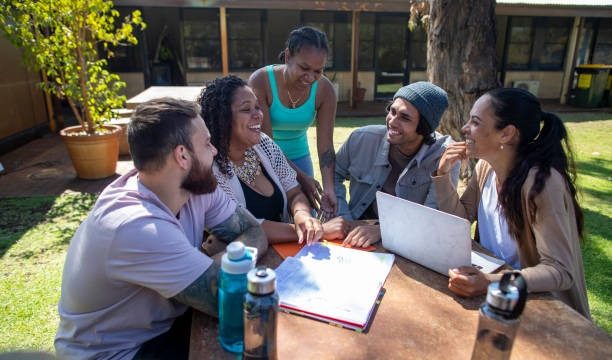
As students reflect on their experiences in academic competitions, they may find that the most rewarding aspects are not just the accolades or recognition, but the lessons learned along the way. The friendships forged, the knowledge gained, and the confidence built—these are the treasures that preparation can yield. It’s about embracing the journey, celebrating the effort, and recognizing that every step taken in preparation is a step toward growth.
In a world that often emphasizes outcomes, the value of preparation reminds us to appreciate the process. As students continue their academic journeys, let them carry with them the understanding that preparation is not merely about competing; it is about cultivating a lifelong love for learning and the confidence to face challenges head-on.