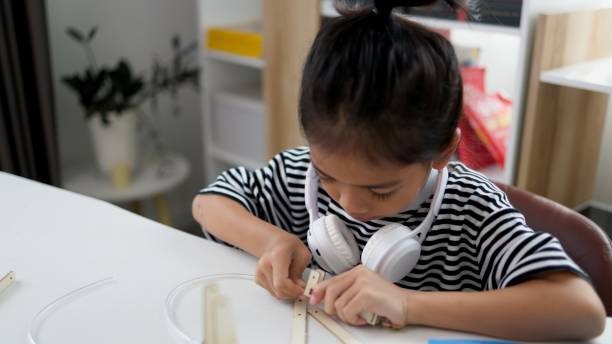
In the world of academic competitions, practice often emerges as the unsung hero.
Whether it’s a math Olympiad, a science fair, or a debate tournament, the importance of consistent practice cannot be overstated.
It’s not just about mastering the content; it’s about instilling confidence, developing critical thinking skills, and fostering a love for learning. As students prepare for these competitions, understanding the role of practice can transform their approach and ultimately their success.
The journey toward excellence in any academic field is rarely linear. It often comes with its fair share of challenges and setbacks. This is where practice plays a vital role, acting as a bridge that connects aspiration with achievement. When students engage in regular practice, they not only reinforce their knowledge but also cultivate resilience. Each session of practice can be viewed as a stepping stone, leading them closer to their goals while helping them to navigate the inevitable bumps along the way.
Creating a routine that incorporates practice can feel overwhelming, especially for students juggling multiple subjects and extracurricular activities. However, it’s essential to remember that practice doesn’t need to be a daunting task. Instead, it can be an enjoyable and enriching experience. By breaking down complex topics into manageable segments, students can approach their studies with a sense of curiosity and exploration. This method transforms the act of studying from a chore into an opportunity for discovery.
A small shift toward balance can make a significant difference. Rather than viewing practice as a means to an end, students can embrace it as part of a broader learning experience. Engaging with the material in a relaxed and open-minded manner can foster deeper understanding. For instance, discussing challenging concepts with peers, participating in study groups, or even teaching what they’ve learned to someone else can enhance retention and comprehension. These interactions not only solidify knowledge but also build a supportive learning community.
The relationship between practice and performance is often highlighted in the context of sports, but it holds just as much significance in academics. The skills developed through rigorous practice—such as problem-solving, time management, and effective communication—are invaluable, not only for competitions but for life beyond the classroom. Students who invest time in honing these skills are better equipped to handle the pressures of exams and presentations, as well as the challenges they may face in their future careers.
Moreover, practice fosters a sense of discipline and commitment. When students dedicate time to their studies, they learn the importance of perseverance. This dedication can translate into other areas of their lives, instilling a work ethic that will serve them well as they grow. Understanding that success doesn’t come overnight can be a powerful lesson, teaching students to appreciate the journey rather than just the destination.
In the realm of academic competitions, the role of practice extends beyond individual preparation. It can also promote collaboration and camaraderie among peers. Students often find themselves working together to solve problems or prepare for presentations, creating a rich environment for shared learning. This collaborative spirit not only enhances their understanding of the subject matter but also builds lifelong friendships and networks. The bonds formed during these shared experiences can be just as valuable as the knowledge gained.
Cultivating a positive mindset is another essential aspect of practice. Students often encounter moments of doubt or frustration, especially when faced with challenging material. It’s crucial to remind them that these feelings are a natural part of the learning process. Embracing a growth mindset—believing that abilities can be developed through dedication and hard work—can help students navigate these emotional hurdles. Regular practice can serve as a reminder that improvement is possible, reinforcing the idea that effort leads to progress.
As students prepare for competitions, the importance of reflection cannot be overlooked. After each practice session, taking a moment to assess what worked well and what could be improved can lead to more effective study strategies. This reflective practice not only deepens understanding but also encourages students to take ownership of their learning. By analyzing their performance, they can identify strengths to build upon and weaknesses to address, creating a more tailored and effective approach to their studies.
In essence, the journey of preparing for academic competitions is as much about personal growth as it is about achieving accolades. Practice serves as a vital tool in this journey, helping students to cultivate not only their academic skills but also their character. The lessons learned through practice—resilience, collaboration, discipline, and self-reflection—are invaluable and extend far beyond the competition itself.
As students embark on their academic adventures, it’s essential to approach practice with an open heart and a curious mind. By embracing the process and viewing each practice session as an opportunity for growth, they can find joy in their learning journey. In a world that often emphasizes outcomes, it’s important to acknowledge the beauty of the process itself. After all, the skills and insights gained through practice will not only prepare them for competitions but will also lay the foundation for a lifetime of learning and discovery.
In conclusion, the importance of practice in academic competitions is multi-faceted, influencing not just knowledge acquisition but also personal development. By cultivating a balanced, reflective, and collaborative approach to practice, students can transform their academic experience into a fulfilling and enriching journey. As they navigate the challenges and triumphs of competition, they will emerge not only as scholars but as confident, capable individuals ready to take on the world.