In the landscape of education, the concept of rivalry often conjures images of fierce competition and cutthroat behavior.
However, when we shift our perspective slightly, we can see that friendly academic rivalry can be a powerful catalyst for personal growth and skill development.
This nuanced approach can transform the competitive spirit into a nurturing environment where individuals thrive.
When we think about academic rivalry, we often picture students locked in a race for the highest grades or accolades. Yet, at its best, rivalry can foster a sense of camaraderie and mutual respect. It encourages individuals to push their boundaries while still supporting one another. This duality creates a unique space where learning flourishes.
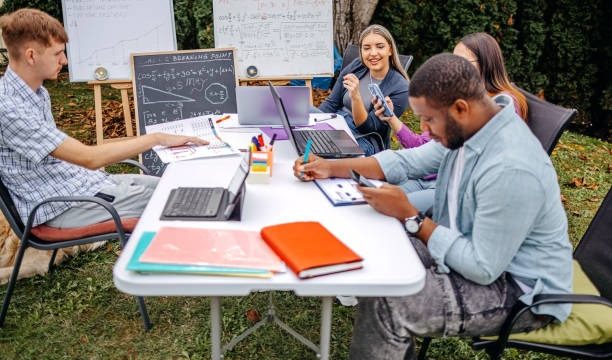
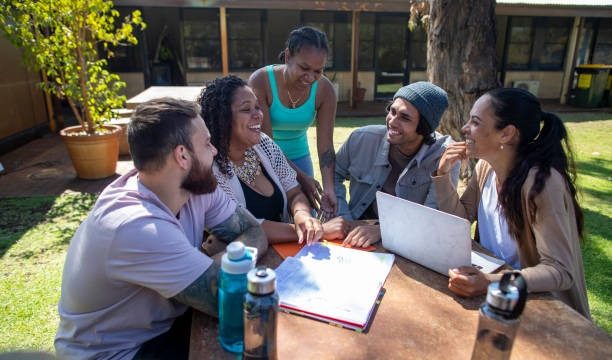
Engaging in friendly competition can spark motivation that is hard to achieve in isolation. Imagine sitting in a study group, surrounded by peers who challenge you to think deeper, explore further, and articulate your thoughts more clearly. The encouragement and constructive feedback that arise from this atmosphere can lead to personal breakthroughs. In this way, rivalry becomes a collaborative effort, where each participant contributes to the other’s growth.
As students navigate their academic journeys, they often encounter obstacles that can feel insurmountable. Friendly rivalry acts as a gentle reminder that they are not alone in their struggles. When students share their challenges and triumphs, they build a supportive network that can help them overcome hurdles together. This shared experience not only strengthens their bonds but also enhances their resilience and problem-solving skills.
A small shift toward balance is essential in fostering this healthy competitive spirit. It’s important to recognize that while striving for excellence is admirable, the journey should not come at the expense of well-being. Encouraging a mindset that values effort and progress over perfection can help maintain balance. This perspective allows individuals to celebrate their achievements, no matter how small, and to appreciate the learning process itself.
In the realm of academia, the skills developed through friendly rivalry extend beyond the classroom. They prepare individuals for real-world challenges, equipping them with the ability to collaborate, communicate, and innovate. The ability to work alongside others, even in a competitive environment, is a critical skill in today’s interconnected world. As students learn to navigate these dynamics, they cultivate emotional intelligence and adaptability—qualities that will serve them well in their future endeavors.
Moreover, friendly rivalry can ignite creativity. When individuals are inspired by their peers, they often find themselves thinking outside the box. This environment encourages experimentation and exploration, pushing the boundaries of traditional learning. As students engage with one another, they share diverse perspectives that can lead to innovative ideas and solutions. This collaborative creativity enriches their academic experience and fosters a sense of belonging.
Another beautiful aspect of friendly rivalry is the way it can build confidence. When students challenge one another, they often step outside their comfort zones. Each small victory, whether it’s mastering a difficult concept or presenting an idea in front of peers, contributes to a growing sense of self-assurance. This newfound confidence not only enhances their academic performance but also empowers them to take on new challenges in life.
As we navigate the complexities of education, it’s essential to remember that the journey is not solely about grades or recognition. The relationships formed through friendly rivalry can lead to lifelong friendships and networks. These connections often extend beyond academic settings, creating a sense of community that enriches personal and professional lives. The shared experiences, late-night study sessions, and moments of triumph and defeat become cherished memories that shape who we are.
Nurturing a culture of friendly rivalry requires intention. Educators and mentors play a crucial role in setting the tone for how competition is perceived. By emphasizing collaboration, respect, and personal growth, they can create an environment where students feel safe to challenge one another and themselves. This supportive atmosphere not only enhances learning but also cultivates empathy and understanding among peers.
As we reflect on the role of friendly academic rivalry, it becomes clear that it is not merely about competition; it is about connection. It is about individuals coming together to inspire one another, to learn from one another, and to grow together. In this light, rivalry transforms into a powerful tool for personal development and community building.
In conclusion, embracing friendly academic rivalry can lead to a wealth of skills and experiences that enrich our lives. It encourages us to strive for excellence, fosters resilience, sparks creativity, and builds lasting connections. By shifting our perspective on competition and nurturing a spirit of camaraderie, we can create an environment where everyone has the opportunity to flourish. So, let us celebrate the beauty of friendly rivalry and the remarkable growth that comes from it, for in the end, we are all on this journey together.