Open Learning for Learning Independence
In a world where information is at our fingertips, the concept of open learning has emerged as a transformative approach to education.
It invites learners of all ages to take the reins of their own educational journeys, fostering a sense of independence that can lead to profound personal growth.
This shift toward self-directed learning not only empowers individuals but also enriches communities, promoting a culture of curiosity and lifelong learning.
The essence of open learning lies in its accessibility. With the rise of online platforms, learners can explore a vast array of subjects at their own pace. Whether it’s delving into philosophy, mastering a new language, or acquiring technical skills, open learning offers a treasure trove of resources that cater to diverse interests. This flexibility allows individuals to tailor their learning experiences to their personal needs and aspirations. Imagine being able to choose when and how you learn, free from the constraints of traditional classroom settings. This autonomy is not just liberating; it also nurtures a deeper connection to the material.
A gentle shift toward balance can often be found in embracing open learning. In our fast-paced lives, the pressure to conform to conventional educational pathways can be overwhelming. Open learning encourages a more relaxed, organic approach to acquiring knowledge. It allows us to explore topics that genuinely resonate with us, leading to a more fulfilling and enriching experience. This sense of ownership over our education can foster a love for learning that lasts a lifetime.
As we embark on this journey of self-directed exploration, it’s essential to cultivate a mindset that values curiosity and creativity. Open learning is not solely about consuming information; it’s about engaging with it, questioning it, and applying it in real-world contexts. This active participation transforms passive learning into a dynamic process, where learners become creators, innovators, and problem solvers. It’s about discovering new perspectives and developing critical thinking skills that are invaluable in today’s complex world.
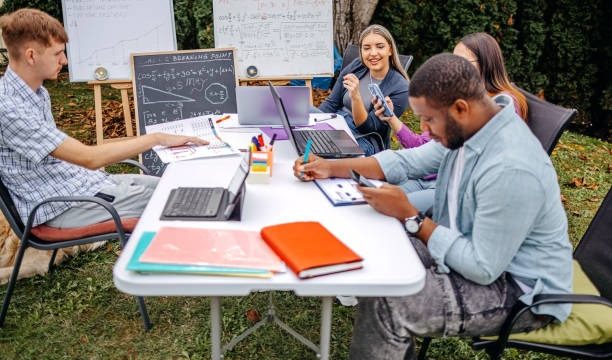
Another beautiful aspect of open learning is the sense of community it can foster. While it promotes independence, it also encourages collaboration among learners. Online forums, study groups, and social media platforms provide spaces for individuals to share their insights, ask questions, and support one another. This interconnectedness not only enriches our learning experiences but also reminds us that we are part of a larger tapestry of knowledge seekers. The friendships and networks built through shared learning journeys can lead to meaningful connections that extend beyond the digital realm.
Navigating the vast landscape of open learning can feel daunting at times, especially with so many resources available. However, it’s important to approach this journey with patience and self-compassion. Each person’s learning path is unique, and it’s okay to take your time to explore different avenues. The beauty of open learning is that it allows for experimentation. If a particular course or resource doesn’t resonate with you, there’s always another option just a click away. This adaptability fosters resilience and encourages learners to embrace challenges as part of their growth.
As we explore the potential of open learning, it’s crucial to recognize the role of technology in shaping our educational experiences. Online platforms have revolutionized access to knowledge, breaking down geographical and economic barriers. This democratization of education means that anyone with an internet connection can embark on a learning journey. While technology can enhance our learning experiences, it’s important to strike a balance. Mindful consumption of digital resources, setting boundaries around screen time, and ensuring a healthy relationship with technology can enhance our overall well-being.
In the pursuit of learning independence, it’s also essential to reflect on our motivations. Why do we want to learn? What goals do we hope to achieve? Understanding our personal motivations can provide clarity and direction in our open learning journeys. It can also help us remain focused amidst the distractions that often accompany self-directed learning. Setting intentions and periodically reassessing our goals can keep our learning experiences aligned with our values and aspirations.
As we embrace the philosophy of open learning, we may find ourselves developing a deeper understanding of ourselves and the world around us. The process of learning becomes a holistic experience that nurtures not only our intellect but also our emotional and social well-being. It encourages us to become more empathetic, open-minded, and adaptable individuals—qualities that are increasingly important in our interconnected world.
In conclusion, open learning is an invitation to embark on a personal journey of discovery and growth. It encourages us to take charge of our educational experiences, fostering a sense of independence that can lead to profound transformations. By embracing this approach, we can cultivate a lifelong love for learning, build meaningful connections with others, and navigate the complexities of our world with confidence and curiosity. As we move forward, let us celebrate the beauty of learning in all its forms, remembering that the journey is just as important as the destination.