In the ever-evolving landscape of education, the importance of foundational skills cannot be overstated.
These skills serve as the bedrock upon which all learning is built, influencing not just academic success but also personal development.
Supporting classroom learning with a focus on these essential skills can create a nurturing environment where every student has the opportunity to flourish.
A gentle introduction to foundational skills reveals that they encompass a range of abilities, including literacy, numeracy, social-emotional learning, and critical thinking. These skills are not merely academic; they are life skills that students carry with them beyond the classroom. As educators, parents, and community members, fostering these skills can lead to a more enriching educational experience for children.
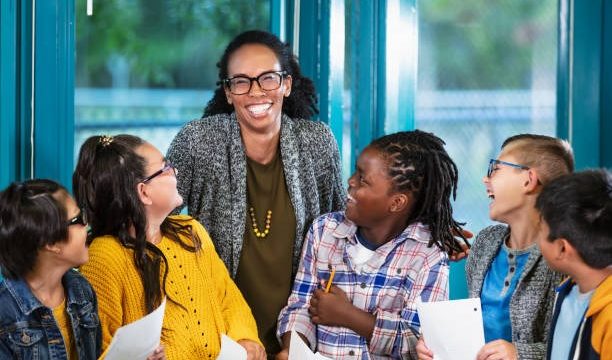
Creating a supportive atmosphere in the classroom is vital for nurturing these foundational skills. When students feel safe and valued, they are more likely to engage deeply with the material and express their thoughts and questions freely. This sense of belonging can be cultivated through simple practices, such as encouraging open dialogue, promoting teamwork, and celebrating individual strengths.
A small shift toward balance can make a significant difference in how students approach learning. Instead of viewing education as a race to the finish line, we can help students appreciate the journey of discovery. By emphasizing the process over the product, learners can develop resilience and a growth mindset. This mindset encourages them to embrace challenges and view setbacks as opportunities for growth rather than as failures.
Moreover, integrating social-emotional learning into the curriculum supports the development of interpersonal skills that are crucial for collaboration and communication. When students learn to understand and manage their emotions, they become more adept at navigating relationships with peers and teachers alike. This emotional intelligence fosters an environment where cooperation thrives, paving the way for deeper learning experiences.
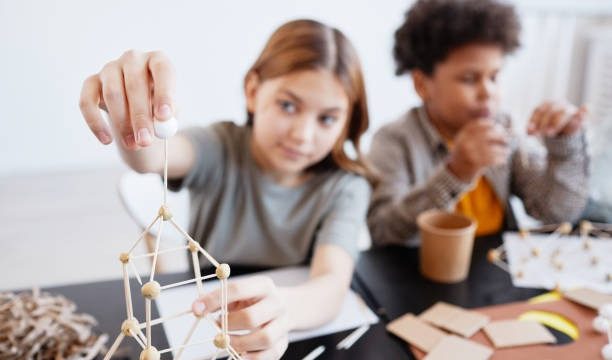
Encouraging creativity is another vital aspect of supporting foundational skills. When students are given the freedom to explore their interests and express themselves through various mediums—be it art, music, or writing—they build confidence and enhance their critical thinking abilities. Creative projects can serve as a bridge between subjects, allowing students to see connections and apply their knowledge in innovative ways. This approach not only makes learning more enjoyable but also helps students retain information more effectively.
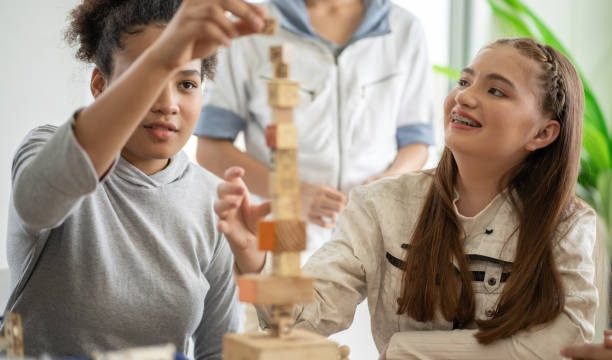
Incorporating play into the learning process can also yield remarkable benefits. Play is a natural way for children to explore concepts, practice skills, and develop social interactions. When educators weave play-based activities into the curriculum, they create an engaging atmosphere where students can learn through exploration. Whether it’s through role-playing, building with blocks, or engaging in group games, play fosters a love for learning that can last a lifetime.
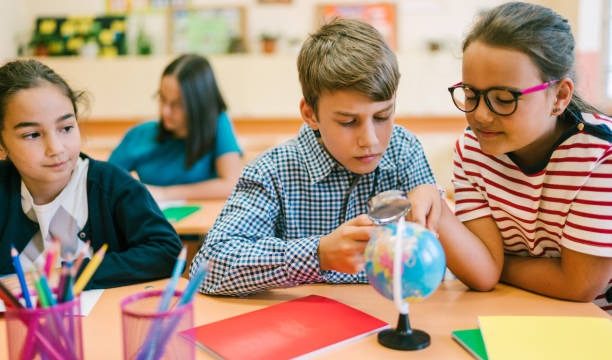
In addition to fostering creativity and play, it is essential to recognize the role of critical thinking in foundational skills development. Encouraging students to ask questions, analyze information, and develop their viewpoints enables them to become independent thinkers. Teachers can facilitate this by presenting real-world problems that require students to apply their knowledge and collaborate with their peers. Such experiences not only enhance cognitive skills but also prepare students for the complexities of adult life.
The power of community involvement in supporting foundational skills cannot be overlooked. When families and local organizations engage with schools, they create a network of support that enriches the educational experience. Community members can share their expertise, provide mentorship, or offer resources that enhance learning opportunities. This collaboration fosters a sense of shared responsibility for student success, reinforcing the idea that education is a collective effort.
As we consider the role of technology in education, it’s essential to strike a balance. Technology can be a powerful tool for enhancing learning, providing access to a wealth of information and interactive resources. However, it is crucial to ensure that technology is used thoughtfully and in moderation. Encouraging students to engage with technology in ways that promote collaboration, creativity, and critical thinking can lead to meaningful learning experiences.
The journey of supporting foundational skills in the classroom is not a solitary one; it requires collaboration among educators, families, and the community. By working together, we can create a holistic approach to education that nurtures the whole child. This supportive environment allows students to develop not only academically but also socially and emotionally, equipping them with the tools they need to navigate life’s challenges.
As we reflect on the importance of foundational skills, it becomes clear that they are integral to the overall well-being of students. By prioritizing a balanced approach that values emotional intelligence, creativity, critical thinking, and community involvement, we can cultivate a generation of learners who are well-prepared for the future.
In conclusion, supporting classroom learning with foundational skills is more than just an educational strategy; it is a commitment to nurturing the potential of every child. By fostering an environment that values growth, creativity, and collaboration, we can help students develop the skills they need to thrive both in and out of the classroom. It is in this supportive atmosphere that children can truly shine, embracing their unique abilities and contributing to the world around them.