In our fast-paced world, problem-solving has become an essential skill, one that transcends the boundaries of personal and professional life.
Whether it’s navigating a challenging project at work, resolving conflicts in relationships, or simply making everyday decisions, the ability to solve problems effectively can significantly enhance our quality of life.
While it may seem like a skill reserved for the highly educated or the experienced, the truth is that anyone can cultivate foundational skills that lead to better problem-solving.
Understanding the core skills that feed into effective problem-solving is the first step in this journey. These skills can be nurtured and developed over time, leading to a more fulfilling and empowered life. Let’s explore some of these foundational skills and how they can make a difference.
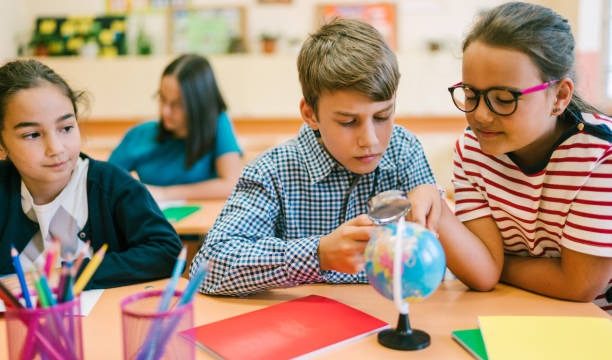
Curiosity is a powerful catalyst for problem-solving. When you approach a situation with an inquisitive mind, you naturally open yourself up to a world of possibilities. This simple yet profound mindset allows you to ask questions, dig deeper, and explore various angles of a problem. For instance, if you find yourself facing a work-related challenge, instead of immediately looking for solutions, take a moment to ask yourself what underlying factors may be contributing to the issue. What assumptions are you making? What information are you missing? By fostering curiosity, you create a space for innovative thinking and creative solutions to emerge.
Another vital skill is critical thinking. This involves analyzing information and evaluating various aspects of a problem before jumping to conclusions. In a world overflowing with information, the ability to discern what is relevant is invaluable. When faced with a dilemma, take a step back and assess the facts. What evidence do you have? Are there biases that might be clouding your judgment? By honing your critical thinking skills, you empower yourself to make informed decisions, leading to more effective problem-solving.
Emotional intelligence also plays a significant role in how we approach problems. Understanding our emotions and those of others can help us navigate complex situations with greater ease. When we are attuned to our feelings, we can manage stress and anxiety better, allowing us to think clearly in challenging moments. Moreover, recognizing the emotions of others can facilitate healthier communication, enabling collaborative problem-solving. By cultivating emotional intelligence, we enhance our ability to connect with others, fostering a supportive environment where solutions can flourish.
A small shift toward balance can also transform the way we tackle problems. Often, we become overwhelmed by the weight of a challenge, leading us to feel stuck or anxious. In these moments, taking a step back to find balance can be incredibly beneficial. This might involve practicing mindfulness or simply taking a break to clear your mind. Engaging in activities that bring you joy, whether it’s a walk in nature, reading a book, or spending time with loved ones, can provide the mental space needed to approach a problem with fresh eyes. When we are balanced, we are more likely to see solutions that may have previously eluded us.
Collaboration is another cornerstone of effective problem-solving. The notion that we must solve problems in isolation is a common misconception. In reality, drawing on the strengths and perspectives of others can lead to richer, more comprehensive solutions. Whether it’s brainstorming with colleagues or seeking advice from friends, collaboration fosters creativity and allows for a wider range of ideas. When we embrace the power of teamwork, we not only enhance our problem-solving capabilities but also build stronger relationships.
In addition to these skills, adaptability is crucial in our ever-changing world. Problems often arise unexpectedly, and our ability to adapt to new circumstances can make all the difference. Embracing change rather than resisting it allows us to remain flexible and open-minded. This adaptability can be cultivated through a willingness to step outside of our comfort zones. By trying new approaches or considering different viewpoints, we train ourselves to respond to challenges with resilience and creativity.
It’s also important to recognize that failure is a natural part of the problem-solving process. Instead of viewing setbacks as obstacles, we can reframe them as opportunities for growth. Each failure teaches us something valuable, providing insights that can guide us in future endeavors. By adopting a mindset that embraces learning from mistakes, we cultivate resilience and perseverance, both of which are essential for effective problem-solving.
As we navigate the complexities of life, self-reflection can serve as a powerful tool in enhancing our problem-solving skills. Taking the time to reflect on our experiences allows us to identify patterns in our thinking and behavior. What strategies have worked for us in the past? Where do we tend to struggle? By understanding ourselves better, we can make more informed choices when faced with challenges.
Creating a supportive environment can also significantly impact our problem-solving abilities. Surrounding ourselves with positive influences—people who inspire and encourage us—can cultivate a mindset that is open to growth and exploration. Additionally, a physical environment that promotes focus and creativity, free from distractions, can enhance our ability to think critically and solve problems effectively.
In conclusion, developing foundational skills that lead to better problem-solving is an ongoing journey. By nurturing curiosity, critical thinking, emotional intelligence, balance, collaboration, adaptability, and self-reflection, we empower ourselves to tackle challenges with confidence and creativity. Remember, every small step you take toward enhancing these skills contributes to a more fulfilling and empowered life. Embrace the journey, and watch as your problem-solving abilities flourish.