Education has long been considered a cornerstone of personal and societal development, yet the traditional models often feel rigid and disconnected from the evolving needs of today’s learners.
As we navigate the complexities of the modern world, it becomes increasingly clear that a new way to experience education is not just desirable but essential.
This fresh perspective invites us to reimagine learning as a more holistic, personalized journey—one that nurtures the mind, body, and spirit.
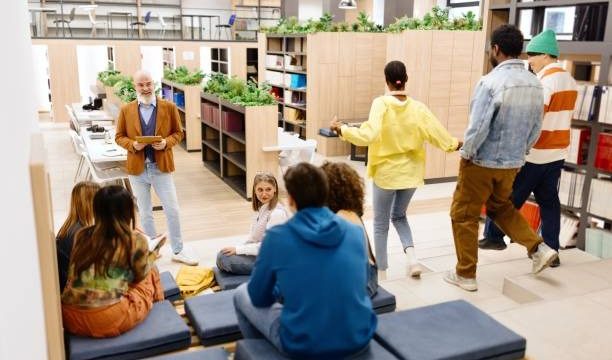
The landscape of education is shifting, influenced by advances in technology, a greater understanding of how we learn, and a growing appreciation for diverse learning styles. Instead of confining education to the four walls of a classroom, we are seeing an embrace of experiential learning—an approach that emphasizes real-world experiences, collaboration, and creativity. This shift allows students to engage with their surroundings, explore their interests, and develop skills that are relevant to their lives.
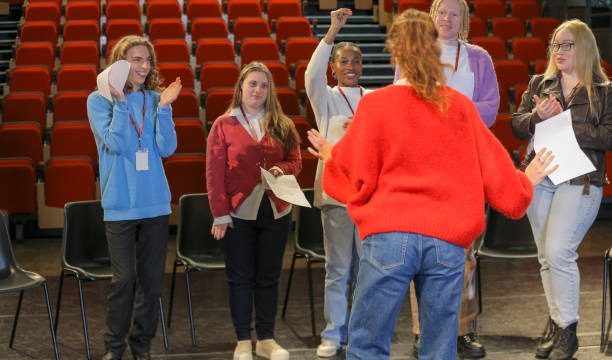
A small shift toward balance can make a significant difference in how education is experienced. Instead of focusing solely on grades and standardized tests, there is a growing recognition of the importance of emotional and social well-being in the learning process. Schools and educational programs are increasingly integrating mindfulness practices, emotional intelligence training, and collaborative projects into their curricula. This holistic approach not only fosters academic success but also cultivates resilience and empathy among students.
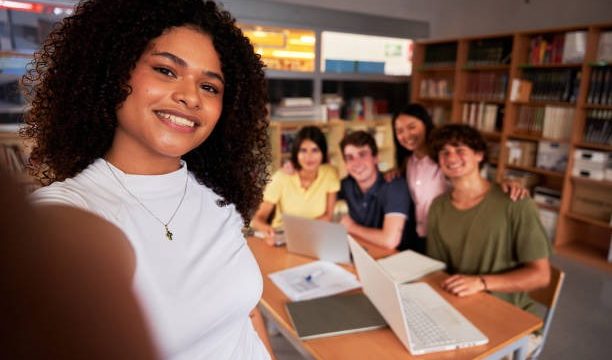
Imagine a classroom where students are encouraged to explore their passions through project-based learning. In this environment, a budding artist might team up with a classmate interested in technology to create an interactive art installation. They would learn not only the technical skills necessary for their project but also valuable lessons in teamwork, communication, and problem-solving. This kind of experiential learning empowers students to take ownership of their education, making it a more engaging and fulfilling experience.
The integration of technology into education also offers exciting new possibilities. Virtual reality, for instance, allows students to immerse themselves in historical events or explore distant lands without leaving their classrooms. This technology can make learning more dynamic and interactive, appealing to various learning styles. By providing students with opportunities to visualize complex concepts and interact with digital environments, we can spark curiosity and inspire a deeper understanding of the world around them.
Moreover, the rise of online learning platforms has democratized access to education, breaking down geographical barriers and allowing learners from all walks of life to pursue their interests. Whether it’s through online courses, webinars, or educational podcasts, individuals can now tailor their learning experiences to fit their unique needs and schedules. This flexibility is particularly beneficial for adult learners who may be balancing work and family commitments while seeking to further their education.
The concept of lifelong learning is gaining traction, emphasizing that education does not end with a diploma. Instead, it is an ongoing journey that evolves as we do. Encouraging a mindset of curiosity and adaptability prepares individuals to navigate the complexities of a rapidly changing world. As we embrace this new perspective, we empower ourselves and others to seek knowledge and skills throughout our lives, fostering personal growth and connection.
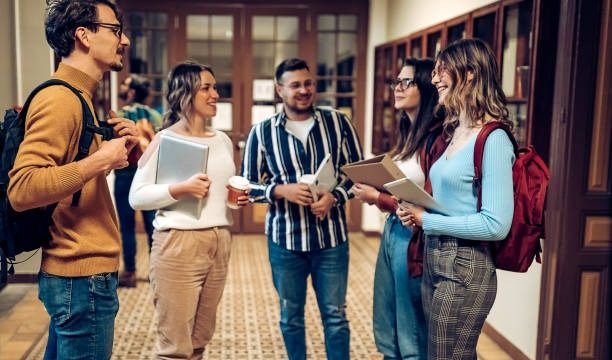
In this new educational paradigm, mentorship plays a vital role. Connecting learners with experienced guides who can provide support, encouragement, and insight can make a world of difference. Mentors can help illuminate pathways that learners may not have considered, encouraging them to explore new interests and develop their skills. This relationship can also create a sense of community, fostering connections that enrich the learning experience.
As we reconsider the role of education in our lives, it’s essential to prioritize well-being alongside academic achievement. Creating spaces that promote mental health, creativity, and collaboration can lead to a more balanced approach to learning. Schools and educational institutions that prioritize these values are not only preparing students for success in their careers but also equipping them with the tools to lead fulfilling lives.
Additionally, the importance of diversity in education cannot be overstated. Embracing diverse perspectives and backgrounds enriches the learning experience, fostering a culture of inclusion and understanding. By exposing students to a wide range of ideas and experiences, we can cultivate empathy and global awareness, preparing them to thrive in an interconnected world.
As we look toward the future of education, the potential for innovation and transformation is immense. By reimagining how we learn and engage with knowledge, we can create a more inclusive, dynamic, and fulfilling educational experience. This new way to experience education invites us all to be active participants in our learning journeys, discovering not only what we want to learn but also who we want to become.
In conclusion, the evolution of education offers a unique opportunity to embrace a more holistic approach that values personal growth, emotional well-being, and real-world experiences. By fostering a learning environment that encourages curiosity, creativity, and collaboration, we can empower individuals to thrive in a rapidly changing world. This new way to experience education is not just about acquiring knowledge; it’s about nurturing the whole person and inspiring a lifelong love of learning. As we embark on this journey, let us explore, connect, and grow together, creating a brighter future for ourselves and generations to come.