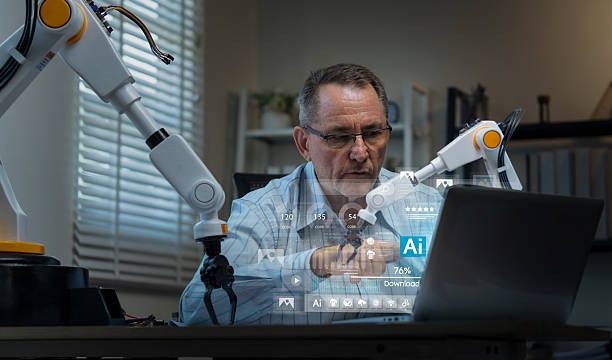
In today’s fast-paced world, the way we learn and develop skills is transforming.
Gone are the days when education was confined to the four walls of a classroom.
With the rise of digital technology, we now have access to a wealth of resources and opportunities that can shape our skills and knowledge from the comfort of our homes. Digital classrooms are not just a trend; they are becoming a cornerstone for skill development, offering an array of benefits that can enhance personal and professional growth.
The allure of digital classrooms lies in their flexibility. Imagine waking up in the morning, sipping your favorite cup of coffee, and engaging with a course that excites you. Whether it’s graphic design, coding, or even culinary arts, the options are virtually endless. This flexibility allows individuals to learn at their own pace, accommodating various learning styles and schedules. For busy professionals or parents, this can be a game-changer. It provides the freedom to integrate learning into daily life without the pressure of rigid timetables.
A beautiful aspect of digital classrooms is the access to diverse resources. Traditional classrooms often limit exposure to local educators and materials. In contrast, online platforms connect learners with experts from around the world. This global perspective enriches the learning experience, allowing individuals to explore different cultures and ideas. For instance, a student in a small town can take a class taught by a renowned artist in Paris or a tech guru in Silicon Valley. This cross-pollination of ideas not only enhances knowledge but also fosters creativity.
As we delve deeper into the essence of digital classrooms, it’s essential to recognize the sense of community they can cultivate. Many online platforms offer forums and discussion groups where learners can connect, share insights, and support one another. This sense of belonging can be incredibly motivating, especially for those who might feel isolated in their learning journey. Engaging with peers adds a layer of accountability and encouragement, making the process of skill development feel less daunting and more collaborative.
Moreover, digital classrooms often incorporate interactive elements that can make learning more engaging. From live webinars to interactive quizzes, these features cater to various learning preferences. Visual learners might thrive in courses that utilize videos and infographics, while auditory learners may benefit from discussion-based formats. The blend of multimedia resources can transform the learning experience into something dynamic and enjoyable, rather than a monotonous task.
In the realm of skill development, digital classrooms also encourage self-directed learning. This approach empowers individuals to take charge of their education, choosing subjects that resonate with their passions and career aspirations. With a plethora of options available, learners can explore new interests or deepen existing skills, fostering a lifelong love for learning. This autonomy not only boosts confidence but also cultivates critical thinking and problem-solving skills—essential attributes in today’s ever-evolving job market.
Another key advantage of digital classrooms is their affordability. Traditional education can often come with a hefty price tag, making it inaccessible for many. However, numerous online platforms offer free or low-cost courses, democratizing education in a way that was previously unimaginable. This accessibility means that anyone with an internet connection can embark on a journey of self-improvement and skill acquisition without financial strain.
As we embrace the digital age, it’s also essential to consider the importance of balance. While online learning offers incredible opportunities, it can sometimes lead to feelings of overwhelm. The abundance of choices can be both liberating and daunting, and it’s easy to fall into the trap of constantly seeking new courses without fully absorbing the material. Taking a moment to reflect on one’s goals and focusing on a few key areas can lead to a more fulfilling learning experience.
Creating a dedicated learning environment at home can enhance the effectiveness of digital classrooms. A cozy nook filled with your favorite books and a comfortable chair can transform a mundane space into a sanctuary for growth. Minimizing distractions, setting aside specific times for learning, and establishing a routine can help maintain focus and motivation.
As we navigate the landscape of digital classrooms, it’s important to remember that learning is not a race. Each person’s journey is unique, and growth takes time. Celebrating small milestones along the way can foster a sense of accomplishment and keep the enthusiasm alive. Whether it’s mastering a new skill or completing a challenging course, taking the time to acknowledge progress can make the journey even more rewarding.
The integration of digital classrooms into our lives has the potential to reshape how we approach skill development. They offer a blend of flexibility, accessibility, and community that traditional education often struggles to provide. As we continue to explore this new frontier, embracing the opportunities it presents can lead to a more enriched and fulfilling life.
In conclusion, digital classrooms are more than just a modern convenience; they represent a shift toward a more inclusive and engaging approach to learning. By harnessing the power of technology, we can cultivate our skills, connect with others, and embark on a lifelong journey of discovery. As we look to the future, let’s embrace the possibilities that digital classrooms offer, making education a joyful and transformative experience for everyone.