In the ever-evolving landscape of education, the role of a teacher extends far beyond mere content delivery.
Today, teachers are seen as facilitators of learning, mentors, and guides in their students’ journeys.
This shift in perspective calls for a thoughtful exploration of teacher competencies that can enhance teaching techniques, creating an enriching environment for both educators and learners.
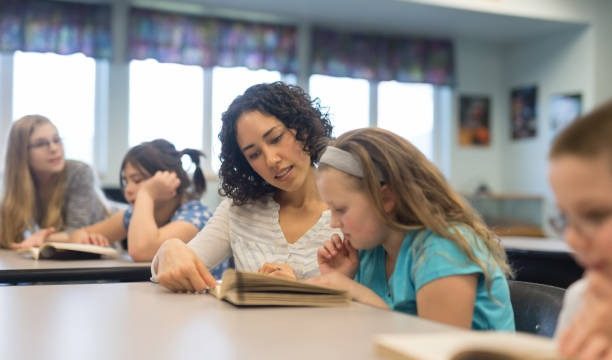
The heart of effective teaching lies in a teacher’s ability to connect with their students. This connection is built on emotional intelligence, which enables educators to understand and respond to the diverse needs of their students. By fostering a supportive atmosphere, teachers can encourage open communication and build trust. This emotional bond not only enhances student engagement but also cultivates a sense of safety where students feel comfortable expressing themselves and asking questions.
A small shift toward balance might involve incorporating mindfulness practices into the classroom. Mindfulness encourages teachers to be present in the moment, enhancing their awareness of students’ emotional and cognitive states. When teachers practice mindfulness, they can better gauge when a student is struggling or when the class needs a moment to breathe. These small, intentional pauses can transform the classroom environment, allowing for deeper learning and understanding.
Another essential competency for teachers is adaptability. The classroom is a dynamic space where unexpected challenges arise daily. Whether it’s a disruption in technology or a change in a student’s needs, the ability to pivot and adjust lesson plans is crucial. This adaptability not only keeps lessons relevant but also models resilience for students. When educators embrace flexibility, they demonstrate that learning is an ongoing process, full of twists and turns.
Cultivating a growth mindset is also vital for both teachers and students. This approach encourages the belief that abilities can be developed through dedication and hard work. When teachers model a growth mindset, they inspire students to embrace challenges rather than shy away from them. This can be as simple as sharing personal experiences of overcoming difficulties or celebrating effort and progress, rather than just achievement. By doing so, teachers create an environment where mistakes are viewed as opportunities for growth, fostering resilience and a love for learning.
Building strong relationships with colleagues can also significantly enhance teaching techniques. Collaboration among educators can lead to the sharing of innovative strategies and resources, enriching the teaching experience. When teachers work together, they create a support network that can help navigate the complexities of the educational landscape. Informal conversations in the staff room, collaborative lesson planning, or peer observations can serve as valuable opportunities for professional growth.
The integration of technology in the classroom is another competency that modern teachers must embrace. In our digital age, technology is not just a tool; it can be a gateway to new learning experiences. Teachers who are adept at incorporating technology can engage students in ways that resonate with their everyday lives. This might mean using interactive platforms, educational apps, or virtual reality experiences to bring lessons to life. However, it’s essential that technology is used thoughtfully, ensuring that it enhances rather than distracts from the learning process.
Fostering cultural competence is equally important in today’s diverse classrooms. Teachers must be aware of and sensitive to the varied backgrounds and experiences of their students. This understanding allows educators to create inclusive learning environments where every student feels valued. By integrating diverse perspectives into lesson plans and encouraging discussions about cultural differences, teachers can promote empathy and respect among students. This not only enriches the learning experience but also prepares students to thrive in a global society.
Assessment practices also play a significant role in effective teaching. Moving away from traditional testing methods towards more formative assessments can provide teachers with a clearer picture of student understanding. This approach allows for ongoing feedback, enabling educators to tailor their instruction to meet individual needs. By utilizing various assessment methods, such as projects, presentations, and peer evaluations, teachers can create a more holistic view of student progress, fostering a deeper connection to the learning material.
To truly strengthen teaching techniques, teachers must also prioritize their own well-being. A well-rounded educator is better equipped to support their students. Engaging in self-care practices, seeking professional development opportunities, and finding time for reflection can significantly impact a teacher’s effectiveness. When educators take care of themselves, they bring renewed energy and passion into the classroom, inspiring their students in the process.
Creating an environment that encourages student voice is another vital competency. When students feel that their opinions and ideas are valued, they are more likely to engage in their learning. Teachers can foster this by providing opportunities for students to share their thoughts, whether through class discussions, projects, or creative expression. This not only empowers students but also enriches the learning experience, as diverse perspectives lead to deeper understanding and collaboration.
In conclusion, the journey toward strengthening teaching techniques is a multifaceted one. By embracing emotional intelligence, adaptability, a growth mindset, collaboration, technology, cultural competence, thoughtful assessment, and self-care, teachers can create a vibrant and effective learning environment. Each of these competencies contributes to a holistic approach to education, where both teachers and students can thrive together. As we continue to navigate the complexities of teaching, it is this blend of skills, awareness, and compassion that will lead to transformative learning experiences.