Teaching Outcomes That Improve Learning Efficiency
In the ever-evolving landscape of education, the quest for effective teaching outcomes remains a central focus for educators, students, and parents alike.
As we navigate through the complexities of modern learning environments, it becomes essential to explore methods that not only enhance knowledge acquisition but also foster a genuine love for learning.
In this journey, we discover that small adjustments in teaching strategies can lead to significant improvements in learning efficiency.
Creating a nurturing atmosphere
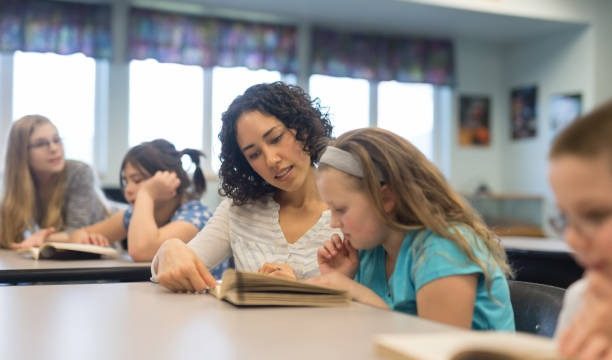
At the heart of effective teaching is the environment in which learning takes place. A nurturing atmosphere can dramatically impact how students absorb information and engage with the material. When learners feel safe, supported, and valued, they are more likely to participate actively in their education. This sense of belonging encourages them to take risks in their learning, ask questions, and express their thoughts freely.
Teachers can cultivate this atmosphere by showing empathy and understanding. Simple gestures, such as greeting students warmly or taking the time to listen to their concerns, can make a world of difference. By fostering connections, educators create a community where students feel motivated to learn and grow.
Encouraging active participation
Active participation is a cornerstone of effective learning. When students engage with the material through discussions, group work, or hands-on activities, they are more likely to retain information and develop critical thinking skills. Encouraging students to take an active role in their education not only makes learning more enjoyable but also helps them develop a deeper understanding of the subject matter.
One effective way to promote active participation is through inquiry-based learning. By posing thought-provoking questions and encouraging students to investigate answers, teachers can spark curiosity and creativity. This approach allows students to take ownership of their learning, transforming them from passive recipients of information into active explorers.
Fostering collaboration
Collaboration among students is another powerful tool for enhancing learning efficiency. When learners work together, they can share ideas, challenge each other’s thinking, and build on one another’s strengths. This not only deepens understanding but also helps students develop essential social skills, such as communication and teamwork.
Incorporating group projects or peer review sessions into the curriculum can cultivate a collaborative spirit in the classroom. By providing opportunities for students to engage with their peers, educators help them develop a sense of community and shared purpose. This collaborative environment encourages students to learn from one another, creating a rich tapestry of diverse perspectives.
Nurturing a growth mindset
A growth mindset is the belief that abilities and intelligence can be developed through dedication and hard work. This perspective is crucial for fostering resilience and a love for learning. When students understand that challenges are opportunities for growth, they are more likely to embrace difficulties and persist in the face of setbacks.
Teachers can nurture a growth mindset by praising effort rather than innate ability. By celebrating the process of learning and encouraging students to view mistakes as valuable learning experiences, educators can help students build confidence in their abilities. This shift in mindset can lead to increased motivation and a willingness to explore new concepts without fear of failure.
Integrating technology thoughtfully
In today’s digital age, technology plays a significant role in education. When integrated thoughtfully, it can enhance learning efficiency by providing students with access to a wealth of resources and interactive tools. However, it’s essential to strike a balance between technology use and traditional teaching methods.
Educators can incorporate technology in ways that support collaborative learning and critical thinking. For example, using online platforms for group discussions or research projects can broaden students’ horizons and expose them to diverse viewpoints. Additionally, leveraging educational apps and interactive tools can make learning more engaging and personalized, catering to different learning styles.
Emphasizing real-world connections
Connecting classroom learning to real-world applications can spark interest and motivation in students. When learners see the relevance of their studies to their lives and future careers, they are more likely to invest time and effort into mastering the material. This approach not only enhances learning efficiency but also prepares students for the challenges they will face beyond the classroom.
Teachers can facilitate these connections by incorporating project-based learning, where students tackle real-world problems or engage with local communities. By allowing students to apply their knowledge in meaningful ways, educators help them understand the practical implications of what they are learning, fostering a deeper appreciation for the subject matter.
Encouraging self-reflection
Self-reflection is a powerful tool for enhancing learning outcomes. When students take the time to reflect on their learning experiences, they can identify strengths, areas for improvement, and strategies for future success. This practice not only promotes self-awareness but also empowers students to take charge of their educational journeys.
Teachers can encourage self-reflection through journaling, discussions, or structured feedback sessions. By providing opportunities for students to articulate their thoughts and feelings about their learning, educators help them develop a deeper understanding of their personal growth. This process fosters a sense of agency, encouraging students to continuously strive for improvement.
Finding balance and well-being
Ultimately, the pursuit of effective teaching outcomes should prioritize the well-being of both students and educators. A balanced approach to education recognizes the importance of mental and emotional health in the learning process. When teachers and students prioritize self-care and well-being, they create a positive learning environment that supports growth and development.
Incorporating mindfulness practices, promoting work-life balance, and encouraging open communication can contribute to a healthier educational experience. By fostering a culture of well-being, educators can enhance learning efficiency while nurturing a love for learning that lasts a lifetime.
As we reflect on the myriad ways to improve learning efficiency, it becomes clear that the journey is as important as the destination. By creating supportive environments, encouraging active participation, fostering collaboration, and nurturing a growth mindset, educators can empower students to embrace their learning journeys with enthusiasm and confidence. Ultimately, these teaching outcomes not only enhance academic performance but also contribute to the holistic development of individuals ready to thrive in an ever-changing world.