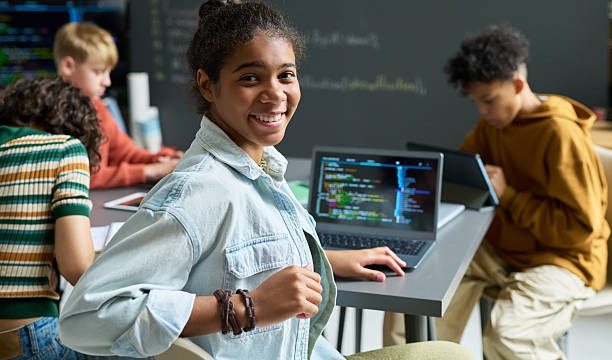
Teaching outcomes that promote thoughtful discussions are essential in creating a nurturing and engaging learning environment.
As educators, we have the privilege of guiding young minds through the labyrinth of ideas and perspectives that shape their understanding of the world.
This journey is not just about imparting knowledge but fostering a space where curiosity thrives, and critical thinking flourishes. When we carefully craft our teaching outcomes, we can inspire students to engage in deeper conversations, allowing them to explore their thoughts and the thoughts of others in meaningful ways.
Creating an atmosphere of open dialogue begins with the recognition that every student brings unique experiences and viewpoints to the classroom. By valuing these differences, we encourage a richer exchange of ideas. This means designing teaching outcomes that not only assess knowledge but also promote skills such as empathy, active listening, and respectful disagreement. When students feel seen and heard, they are more likely to participate in discussions that challenge their thinking and expand their horizons.
A gentle shift toward inquiry-based learning can serve as a catalyst for thoughtful discussions. Rather than simply presenting information for memorization, we can encourage students to ask questions that matter to them. This approach not only empowers students to take ownership of their learning but also fosters a sense of community in the classroom. When students feel comfortable posing questions, they are more likely to engage with their peers in discussions that delve into the heart of complex topics. This collaborative exploration can lead to moments of insight and understanding that textbooks alone cannot provide.
Incorporating diverse perspectives into our teaching outcomes is another way to enrich classroom discussions. By introducing literature, case studies, or historical events from various cultural viewpoints, we can help students appreciate the complexity of issues. This practice invites students to consider not just their own opinions but also the experiences of others, encouraging a more holistic understanding of the subject matter. When students encounter differing viewpoints, they learn the importance of examining their assumptions and the value of dialogue in reaching a more nuanced understanding.
Creating a safe space for discussion is paramount in fostering thoughtful exchanges. Establishing ground rules for respectful communication can help students feel secure in sharing their thoughts. Encouraging phrases such as “I hear you” or “That’s an interesting point” can promote a culture of respect and openness. When students feel safe to express their ideas, they are more likely to engage in discussions that explore the deeper implications of what they are learning. This environment nurtures not only academic growth but also personal development, as students learn to navigate conversations with care and consideration.
Moreover, integrating reflective practices into our teaching outcomes can enhance the quality of discussions. Encouraging students to take time to reflect on their thoughts and feelings about a topic can lead to richer conversations. This could be through journaling, small group discussions, or even one-on-one conversations. When students have the opportunity to process their ideas before sharing them, they are often more articulate and thoughtful in their contributions. This reflective approach can transform a classroom into a vibrant forum where ideas are exchanged, challenged, and refined.
Another effective strategy is to incorporate real-world issues into our teaching outcomes. By connecting classroom discussions to current events or social issues, we can engage students in conversations that matter to them and the world around them. This relevance not only sparks interest but also encourages students to think critically about the implications of their ideas. When students see the connection between their discussions and real-life scenarios, they are more likely to invest in the conversation and consider how their learning can impact their lives and the lives of others.
Encouraging collaboration among students can also lead to more thoughtful discussions. Group projects or peer-led discussions allow students to work together, share ideas, and learn from one another. This collaborative approach not only enhances their learning experience but also builds essential social skills. As students navigate differing opinions and work toward common goals, they learn the importance of compromise, negotiation, and the power of collective thinking. This sense of community can create a supportive environment where students feel empowered to express their thoughts and engage in meaningful dialogue.
In addition to promoting thoughtful discussions, it is important to model these behaviors as educators. When we engage in discussions with our students, we can demonstrate how to listen actively, respond thoughtfully, and challenge ideas respectfully. By sharing our own thought processes and vulnerabilities, we can humanize the learning experience and encourage students to embrace their own journeys of exploration. This modeling can inspire students to approach discussions with an open mind and a willingness to learn from one another.
As we embrace these teaching outcomes, we must remain aware of the importance of patience and grace in the learning process. Thoughtful discussions often take time to develop, and students may need encouragement to express their ideas fully. As educators, we can create a rhythm in our classrooms that allows for pauses, reflection, and deeper engagement. This patience not only enriches the quality of discussions but also fosters a culture of learning that extends beyond the classroom walls.
In conclusion, teaching outcomes that promote thoughtful discussions are vital in nurturing a learning environment where students feel valued and empowered. By embracing inquiry-based learning, incorporating diverse perspectives, creating safe spaces, integrating reflective practices, connecting to real-world issues, and fostering collaboration, we can inspire students to engage in conversations that challenge their thinking and broaden their understanding. As we guide our students on this journey, we are not just teaching them content; we are equipping them with the skills they need to navigate a complex world with empathy, curiosity, and an open heart. Through thoughtful discussions, we can cultivate a generation of critical thinkers who are ready to engage with the world around them.