Teaching Outcomes That Transform Classroom Experiences
Teaching is not merely a profession; it is an art, a delicate dance of knowledge, emotion, and connection.
The classroom, often seen as a mere backdrop for learning, can be transformed into a vibrant space where curiosity flourishes and creativity blossoms.
At the heart of this transformation lie the teaching outcomes that educators strive to achieve. These outcomes not only shape the minds of students but also influence the entire atmosphere of the classroom, creating an environment where learning becomes a joyful journey rather than a chore.
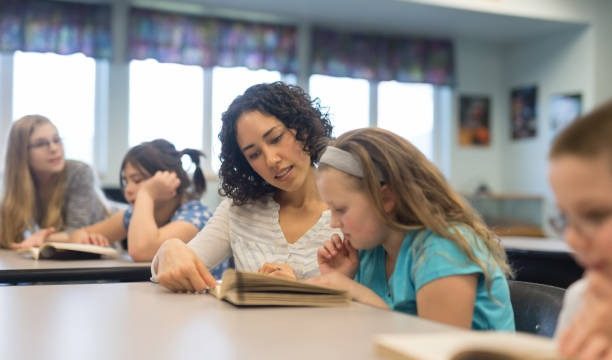
A gentle shift in perspective can lead to profound changes in the classroom dynamic. Rather than viewing teaching as a one-way street, where information is simply delivered from teacher to student, it can be embraced as a collaborative journey. When students are viewed as partners in the learning process, their engagement deepens, and the classroom becomes a lively forum for exploration and discovery. This shift encourages a culture of respect and openness, where students feel valued and empowered to express their ideas and questions.
One of the most transformative teaching outcomes is fostering critical thinking skills. In our rapidly changing world, the ability to analyze information, evaluate sources, and develop reasoned arguments is paramount. By incorporating activities that challenge students to think critically, educators can guide them toward becoming independent thinkers. This could involve engaging discussions, thought-provoking questions, or real-world problem-solving scenarios. When students learn to question and assess the world around them, they not only gain knowledge but also develop confidence in their ability to navigate complexities.
Creating a sense of belonging is another essential outcome that can redefine classroom experiences. When students feel that they belong, they are more likely to engage actively in their learning. This sense of belonging can be cultivated through inclusive practices that celebrate diversity and encourage collaboration. Group projects, peer mentoring, and cooperative learning can foster relationships among students, allowing them to appreciate each other’s strengths and perspectives. As they learn to work together, they also learn valuable social skills that extend far beyond the classroom walls.
Emotional intelligence is increasingly recognized as a vital component of education. Teaching outcomes that prioritize emotional well-being can have a lasting impact on students’ lives. By integrating social-emotional learning into the curriculum, educators can help students develop self-awareness, empathy, and resilience. Activities that promote mindfulness, reflection, and emotional regulation can create a nurturing environment where students feel safe to express themselves. When students understand and manage their emotions, they are better equipped to face challenges, both academically and personally.
Another key outcome is the cultivation of a growth mindset. When students are encouraged to view challenges as opportunities for growth rather than obstacles to avoid, their approach to learning shifts dramatically. This mindset fosters resilience and perseverance, allowing students to embrace difficulties with a positive attitude. Educators can model this mindset by sharing their own experiences with failure and success, emphasizing that mistakes are a natural part of the learning process. By celebrating effort and progress, teachers can inspire students to take risks and explore new ideas without fear of judgment.
A small shift toward balance can also enhance classroom experiences. In a world that often emphasizes high stakes and standardized testing, it is essential to create a learning environment that values holistic development. A balanced approach to education recognizes the importance of academic achievement while also nurturing creativity, physical well-being, and social skills. Incorporating art, music, and physical activities into the curriculum can provide students with opportunities to express themselves and explore their interests. When education is approached from multiple angles, students are more likely to find joy in learning and develop a lifelong love for knowledge.
Encouraging student agency is another transformative outcome that can reshape the classroom experience. When students are given choices in their learning, they become active participants rather than passive recipients. This sense of ownership can lead to increased motivation and engagement. Teachers can facilitate this by allowing students to select topics for projects, set personal learning goals, or even choose how they demonstrate their understanding. When students feel a sense of control over their learning, they are more likely to invest their time and energy into it.
The role of feedback in the learning process cannot be understated. Constructive feedback is a powerful tool that can guide students toward improvement and growth. Instead of viewing feedback as a judgment, it can be framed as a collaborative conversation aimed at enhancing understanding. Educators can create a culture of feedback where students feel comfortable sharing their thoughts and asking questions. This open dialogue fosters a sense of trust and encourages students to take ownership of their learning journey.
As we reflect on the teaching outcomes that can transform classroom experiences, it becomes clear that the heart of education lies in connection. The relationships formed between educators and students, as well as among peers, can create a sense of community that supports learning. When students feel seen, heard, and valued, they are more likely to thrive academically and emotionally. Educators have the unique opportunity to be catalysts for change, shaping not only the minds of their students but also their futures.
In conclusion, the journey of education is a tapestry woven with diverse threads of outcomes that can significantly enhance classroom experiences. By fostering critical thinking, promoting emotional intelligence, encouraging a growth mindset, and nurturing a sense of belonging, educators can create a vibrant learning environment. As we continue to explore and embrace these transformative teaching outcomes, we can inspire a generation of learners who are not only knowledgeable but also compassionate, resilient, and eager to make a difference in the world. The classroom can be a sanctuary of growth, creativity, and discovery—a place where every student feels empowered to reach their full potential.