Communication is the lifeblood of any workplace.
It shapes our interactions, drives collaboration, and ultimately influences the overall atmosphere of our professional environment.
However, despite our best intentions, communication barriers can arise, leading to misunderstandings, frustration, and even conflict. Navigating these challenges is essential for fostering a harmonious workplace where everyone feels heard and valued.
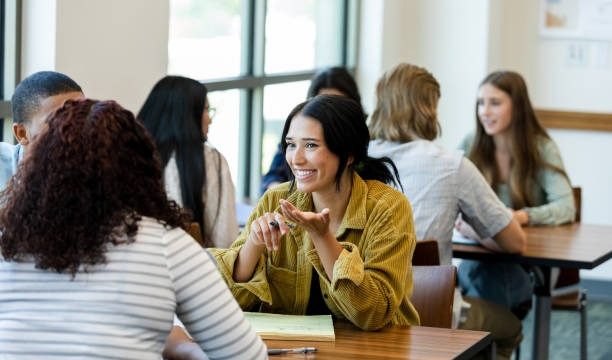
Recognizing the root of communication barriers is the first step toward addressing them. These obstacles can stem from various sources, including cultural differences, language variations, and even differing communication styles. For instance, someone from a culture that values directness may struggle to connect with a colleague who prefers a more nuanced approach. Similarly, individuals who are more introverted may find it challenging to express their thoughts in group settings, leading to a sense of exclusion. Understanding these differences is crucial for creating a more inclusive environment.
A gentle shift toward empathy can go a long way in overcoming communication barriers. Taking the time to understand a colleague’s perspective can foster a sense of connection and compassion. This can be as simple as actively listening when someone is speaking, giving them your full attention, and acknowledging their feelings. By practicing empathy, we not only validate others’ experiences but also create a safe space for open dialogue. This approach encourages individuals to express themselves without fear of judgment, paving the way for clearer communication.
Another helpful strategy is to cultivate an environment where feedback is welcomed and encouraged. When team members feel comfortable sharing their thoughts and suggestions, it can significantly reduce misunderstandings. Consider implementing regular check-ins or feedback sessions, where employees can share their insights and experiences. This practice not only enhances communication but also promotes a culture of continuous improvement. When people know their voices matter, they are more likely to engage in conversations openly and constructively.
Sometimes, the medium of communication itself can pose challenges. In today’s digital age, many interactions occur through emails, messages, or video calls. While these tools can enhance connectivity, they can also lead to misinterpretations. Tone, body language, and context can easily be lost in translation. To mitigate this, strive for clarity in written communications. Use simple, straightforward language and avoid jargon that may confuse others. When in doubt, don’t hesitate to follow up with a quick chat or a phone call to ensure that your message was understood as intended.
Creating opportunities for face-to-face interactions can also help bridge communication gaps. Whether through team-building activities, brainstorming sessions, or casual coffee breaks, these moments allow for organic conversations that can strengthen relationships. In-person interactions enable us to pick up on non-verbal cues and foster a sense of camaraderie that is often difficult to replicate in virtual settings.
In the realm of remote work, it’s essential to be intentional about maintaining connections. Scheduling regular team meetings or virtual hangouts can keep the lines of communication open. Encourage team members to share not just work-related updates but also personal anecdotes or achievements. This practice not only builds rapport but also humanizes our interactions, reminding us that we are all part of the same team, regardless of physical distance.
Another important aspect to consider is the diversity of communication styles within a team. Some individuals may prefer a more analytical approach, while others may thrive on creativity and intuition. Acknowledging and valuing these differences can lead to a richer exchange of ideas. Encourage team members to share their preferred communication methods and adapt your approach accordingly. This small adjustment can enhance collaboration and ensure that everyone feels included in the conversation.
In moments of conflict or misunderstanding, it’s vital to address the issue calmly and constructively. Approach the situation with a mindset of curiosity rather than judgment. Ask open-ended questions to better understand the other person’s perspective, and express your feelings without placing blame. This approach can de-escalate tensions and lead to a more productive dialogue. Remember, the goal is not to “win” an argument but to find common ground and work toward a resolution that satisfies everyone involved.
At times, despite our best efforts, communication barriers may persist. In such cases, seeking external support can be beneficial. This could involve inviting a mediator to facilitate discussions or providing training sessions focused on effective communication strategies. Professional development opportunities can equip employees with the tools they need to navigate challenging conversations and enhance their interpersonal skills.
As we work to overcome communication barriers, it’s essential to recognize that this journey is ongoing. Each interaction is an opportunity to learn and grow. By approaching communication with a spirit of openness and understanding, we can create a workplace culture that values connection and collaboration.
Ultimately, the goal is to foster an environment where everyone feels empowered to express themselves and contribute their unique perspectives. When we break down communication barriers, we not only enhance our professional relationships but also cultivate a sense of belonging within our teams. This sense of belonging can lead to increased job satisfaction, improved performance, and a more positive workplace overall.
In conclusion, handling communication barriers in the workplace requires a combination of empathy, clarity, and a willingness to adapt. By embracing these principles, we can create a more inclusive and harmonious environment that celebrates the diverse voices within our teams. As we navigate the complexities of communication, let’s remember that each conversation is an opportunity to connect, learn, and grow together.