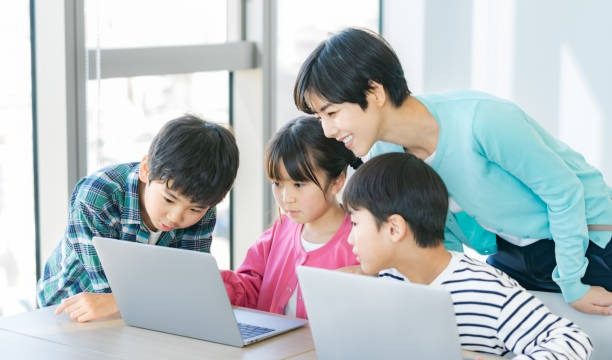
In the ever-evolving landscape of education, the journey of a student is often as significant as the destination.
Reflective student growth is a process that nurtures not just academic skills but also emotional and social development.
It invites students to engage with their experiences, fostering a deeper understanding of themselves and their learning paths. Here, we explore gentle approaches that can support this journey, encouraging a holistic view of student development.
Creating a nurturing environment is one of the first steps toward fostering reflective growth. When students feel safe and supported, they are more likely to express their thoughts and feelings openly. This environment can be cultivated in various ways, from encouraging open dialogue in the classroom to creating spaces where students can share their experiences without fear of judgment. A supportive atmosphere allows students to explore their strengths and weaknesses, leading to a richer understanding of their learning processes.
Another vital aspect of reflective growth is the practice of self-assessment. Encouraging students to evaluate their own work and progress can be an empowering experience. When students take the time to reflect on what they have learned and how they have grown, they begin to see their own potential more clearly. This practice can be woven into daily routines, such as journaling or simple reflection exercises at the end of a lesson. These moments of introspection help students connect their experiences with their academic goals, fostering a sense of ownership over their learning journey.
The power of storytelling should not be underestimated in this reflective process. When students share their stories—whether through writing, art, or discussion—they engage in a form of reflection that deepens their understanding of their experiences. Storytelling allows students to articulate their thoughts and feelings, making connections between their learning and personal lives. This practice not only enhances communication skills but also cultivates empathy and understanding within the classroom community.
Mindfulness is another gentle approach that can significantly enhance reflective growth. By incorporating mindfulness practices into the school day, students can learn to pause and reflect on their thoughts and feelings. Simple activities like deep breathing or guided imagery can help students center themselves, creating space for reflection. When students practice mindfulness, they become more attuned to their emotional states and thought processes, which can lead to deeper insights about their learning experiences.
As students navigate their educational journeys, mentorship plays a crucial role in their reflective growth. When educators take the time to connect with students on a personal level, they can offer guidance that is both supportive and insightful. Mentorship creates a space for students to discuss their aspirations, challenges, and reflections. This relationship can help students feel valued and understood, encouraging them to explore their thoughts and feelings more freely. A mentor’s perspective can illuminate pathways for growth that students may not have considered on their own.
Integrating collaborative learning experiences can also enhance reflective growth. When students work together on projects, they are given the opportunity to share their perspectives and learn from one another. This collaboration fosters an environment where students can reflect on their contributions and the contributions of their peers. Engaging in group discussions or collaborative projects encourages students to articulate their thoughts and reflect on different viewpoints, broadening their understanding of the subject matter and themselves.
Encouraging goal-setting is another supportive strategy that fosters reflective growth. When students set personal academic and social goals, they create a roadmap for their learning journey. This process requires them to reflect on their current skills and identify areas for improvement. Regular check-ins on these goals can be a source of motivation and self-discovery. Students learn to celebrate their achievements, however small, and recognize the importance of perseverance in the face of challenges.
The role of feedback in the reflective process cannot be overlooked. Thoughtful, constructive feedback helps students understand their strengths and areas for growth. Rather than merely focusing on grades, feedback should encourage dialogue about the learning process itself. When students receive feedback that is specific and supportive, they can reflect on it meaningfully, allowing for deeper learning and growth. This approach transforms feedback into a valuable tool for reflection rather than just an assessment of performance.
Moreover, fostering a growth mindset is essential for reflective student growth. When students believe that their abilities can develop through effort and learning, they are more likely to embrace challenges and view setbacks as opportunities for growth. Educators can nurture this mindset by promoting resilience and encouraging students to take risks in their learning. Celebrating effort and progress, rather than perfection, reinforces the idea that learning is a journey filled with ups and downs.
Incorporating technology thoughtfully can also enrich the reflective experience. Digital platforms can provide students with tools for self-assessment, collaboration, and feedback. Online journals or blogs allow students to document their thoughts and reflections over time, creating a personal archive of their growth. Technology can bridge distances, enabling students to connect with peers and mentors beyond the classroom, fostering a broader perspective on their learning experiences.
Ultimately, the journey of reflective student growth is a beautiful tapestry woven from various threads—supportive environments, storytelling, mindfulness, mentorship, collaboration, goal-setting, feedback, a growth mindset, and thoughtful use of technology. Each approach adds depth and richness to the experience, creating a nurturing space for students to explore their identities as learners.
As we reflect on these approaches, it becomes clear that the essence of education lies not only in imparting knowledge but also in guiding students through their personal growth journeys. By embracing these gentle strategies, we can cultivate an environment where students feel empowered to reflect on their experiences, fostering a lifelong love of learning that extends far beyond the classroom walls.