In our increasingly interconnected world, the ability to collaborate effectively is more important than ever.
Whether in a classroom, workplace, or community setting, the design of our interactions can greatly influence how well we come together to share ideas, solve problems, and innovate.
Instructional designs that encourage collaboration can transform not only the learning experience but also the relationships we build along the way.
Creating an environment that fosters collaboration begins with understanding the dynamics of human interaction. It’s essential to recognize that collaboration is not merely about working together; it’s about cultivating a sense of trust, respect, and shared purpose. When individuals feel safe and valued, they are more likely to contribute openly, share their thoughts, and engage with others meaningfully.
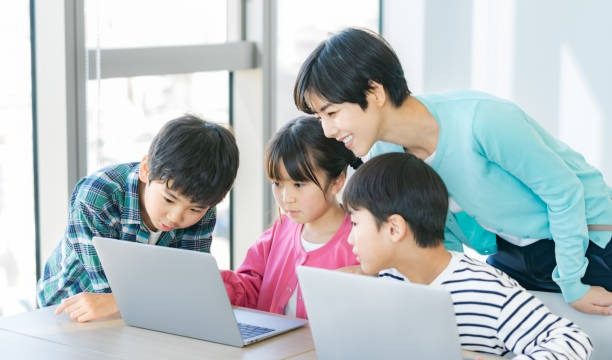
A gentle shift toward connection can be initiated by designing spaces—both physical and virtual—that promote interaction. In educational settings, for instance, rethinking the traditional classroom layout can make a significant difference. Instead of rows of desks facing a single direction, consider arranging desks in clusters or circles. This simple change encourages eye contact and conversation, allowing for more dynamic exchanges of ideas.
In the workplace, collaborative spaces can be created to facilitate teamwork. Open layouts, comfortable seating areas, and access to collaborative technology can help break down barriers and invite spontaneous discussions. When people feel comfortable in their environment, they are more inclined to share insights and collaborate on projects.
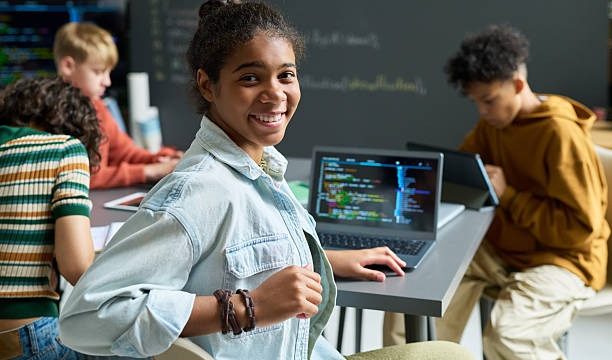
Technology also plays a vital role in enhancing collaborative experiences. Online platforms can extend the reach of collaboration beyond physical boundaries. Tools such as shared documents, project management software, and communication apps enable teams to work together seamlessly, regardless of location. This virtual collaboration can be particularly beneficial for diverse groups, allowing individuals from various backgrounds and perspectives to come together and contribute to a common goal.
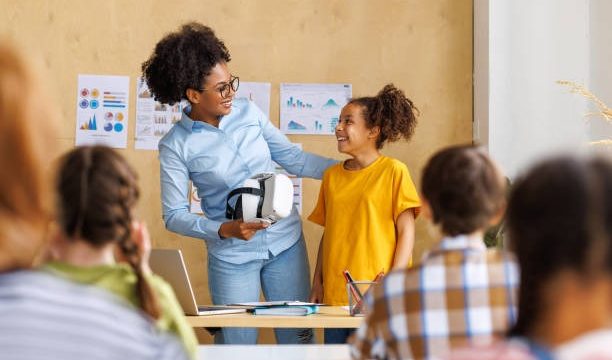
Fostering a culture of collaboration requires intentionality. It’s essential to create opportunities for individuals to connect, brainstorm, and support each other. Organizing group activities or workshops can provide a structured yet relaxed environment for collaboration to flourish. These gatherings can be designed to encourage active participation, where every voice is heard and valued.
Encouraging collaboration also involves nurturing relationships. Building rapport among team members or students creates a foundation of trust that allows for open communication. Simple practices like icebreaker activities or team-building exercises can help individuals get to know one another better, paving the way for more meaningful collaboration.
A subtle shift toward inclusivity can further enhance collaborative efforts. Celebrating diverse perspectives not only enriches discussions but also fosters creativity and innovation. When people feel that their unique viewpoints are appreciated, they are more likely to engage actively in collaborative endeavors. This approach not only strengthens the group dynamic but also leads to more effective problem-solving and idea generation.
Another crucial aspect of instructional designs that promote collaboration is the role of feedback. Constructive feedback can boost confidence and encourage individuals to take risks in sharing their ideas. Creating a culture where feedback is viewed as a positive, growth-oriented tool helps individuals feel more at ease in contributing to group discussions. Regular check-ins and open discussions about progress can create an environment where feedback is a natural part of the collaborative process.
To further enhance the collaborative experience, incorporating project-based learning can be a powerful approach. This method encourages individuals to work together on real-world problems, fostering a sense of ownership and accountability. When team members invest in a shared project, they are more likely to engage deeply and collaborate effectively, as they see the direct impact of their contributions.
As we explore the essence of collaboration, it’s crucial to recognize the importance of reflection. After collaborative experiences, taking time to reflect on what worked well and what could be improved can lead to continuous growth. Encouraging individuals to share their thoughts on the collaborative process fosters a mindset of learning and adaptation. Reflection can also strengthen the bonds formed during collaboration, as individuals recognize their collective achievements and challenges.
In our journey toward creating collaborative environments, it’s essential to remember that collaboration is a skill that can be developed over time. Just as we cultivate our individual talents, we can also nurture our ability to work together harmoniously. Embracing the process of collaboration, with all its ups and downs, can lead to profound personal and collective growth.
Ultimately, the goal of instructional designs that encourage collaboration is to create spaces and opportunities where individuals can connect, share, and grow together. By fostering a culture of inclusivity, trust, and open communication, we can enhance our ability to collaborate effectively. As we navigate the complexities of our interconnected world, let us embrace the beauty of working together, recognizing that our collective efforts can lead to remarkable outcomes.
In this light, collaboration becomes not just a method of working but a way of being—an approach to life that celebrates connection, creativity, and shared success. Through thoughtful design and intentional practices, we can cultivate environments that empower individuals to collaborate, innovate, and thrive together. Let us continue to explore and embrace these designs, knowing that each step we take toward collaboration enriches our lives and the lives of those around us.