In today’s educational landscape, fostering collaboration in the classroom has become essential for nurturing not only academic skills but also social and emotional growth.
When students engage with one another, they learn to share perspectives, respect differences, and work toward common goals.
As educators, parents, or simply advocates for a positive learning environment, it’s important to explore strategies that can encourage this spirit of collaboration.
Creating a welcoming atmosphere is the first step toward cultivating collaboration. When students feel safe and valued, they are more likely to engage with their peers. This can be achieved by establishing clear expectations for behavior while also allowing room for creativity and self-expression. Simple gestures, such as greeting students warmly at the door or incorporating community-building activities at the beginning of each class, can set a positive tone. When students know that their voices are heard and their contributions matter, they are more inclined to participate actively.
Involving students in the decision-making process can also enhance their sense of ownership and responsibility. Allowing them to have a say in classroom rules or project topics can foster a collaborative spirit. For instance, consider hosting a brainstorming session where students can share their ideas and preferences. This not only empowers them but also encourages them to listen to their peers, promoting a culture of respect and teamwork.
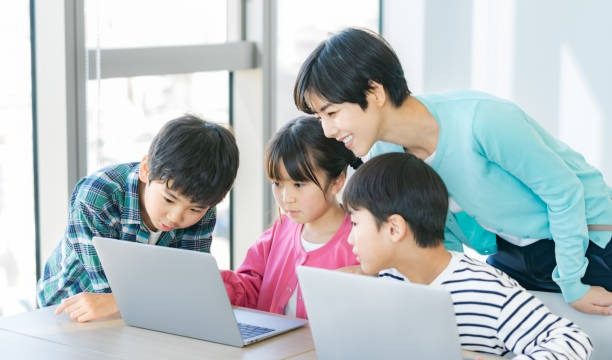
A small shift toward balance can be achieved through structured group activities. When students work in pairs or small groups, they have the opportunity to engage more deeply with the material and with each other. These activities can range from collaborative projects to problem-solving tasks that require them to pool their knowledge and skills. It’s essential to provide clear guidance on roles within the group, ensuring that everyone has a chance to contribute. This not only enhances learning but also helps students develop interpersonal skills that are invaluable beyond the classroom.
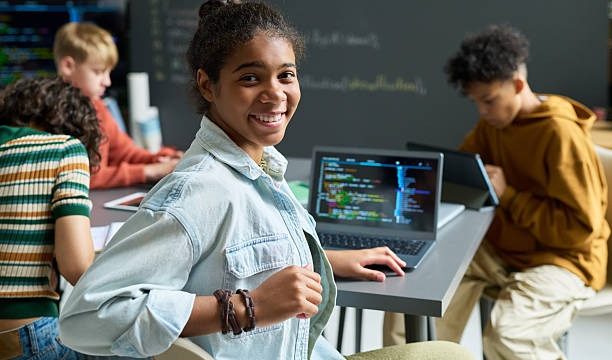
Incorporating technology can also facilitate collaboration, particularly in an increasingly digital world. Tools such as shared documents, online discussion boards, or collaborative platforms can enable students to work together, even outside of school hours. Encouraging them to use technology for group projects can help them learn to communicate effectively and manage their time as a team. However, it’s important to remind them of the value of face-to-face interaction; finding a balance between digital collaboration and personal connection is key.
Encouraging reflection is another valuable strategy for promoting collaboration. After group activities, setting aside time for students to discuss what worked well and what could be improved can help them understand the dynamics of teamwork. This reflective practice not only reinforces their learning but also helps them develop critical thinking skills. Encouraging students to express their feelings about the collaboration process can lead to greater empathy and understanding among peers.
Creating a culture of appreciation can significantly enhance collaborative efforts. Recognizing and celebrating the achievements of individuals and groups fosters a sense of community. Whether it’s through a shout-out during class or a simple note of appreciation, acknowledging hard work and teamwork can motivate students to continue collaborating. When students see that their efforts are valued, they are more likely to engage positively with their peers in future projects.
Integrating interdisciplinary projects can also stimulate collaboration among students. When subjects are connected, students can see the relevance of their learning and how different areas of knowledge intersect. For example, combining science and art in a project can encourage students to work together, drawing on each other’s strengths. This not only enriches their understanding but also promotes teamwork as they navigate different perspectives and approaches.
A gentle reminder about the importance of patience can go a long way in fostering collaboration. Students may come from diverse backgrounds and have varying levels of experience working in teams. It’s essential to guide them through the process of collaboration, offering support and encouragement along the way. By modeling patience and understanding, educators can create a safe space for students to learn and grow together.
Encouraging collaboration also means recognizing the uniqueness of each student. Differentiating roles within group work allows students to play to their strengths while also challenging them to step outside their comfort zones. For instance, a student who excels in writing might take on the role of scribe, while another who is good at public speaking might lead the presentation. This not only builds confidence but also helps students appreciate the diverse talents of their peers.
As we navigate the complexities of education, it’s important to remember that collaboration is not just about completing tasks. It’s about building relationships, developing communication skills, and fostering a sense of belonging. When students learn to collaborate effectively, they carry these skills into their future endeavors, whether in further education or the workforce.
In conclusion, creating a collaborative classroom environment is a multifaceted process that requires intention and care. By fostering a welcoming atmosphere, involving students in decision-making, and incorporating structured activities, we can encourage meaningful interactions among students. Emphasizing reflection and appreciation, integrating interdisciplinary projects, and recognizing individual strengths further enrich this collaborative experience. Ultimately, the goal is to cultivate not just academic achievement but also a community where every student feels valued and empowered to contribute. In this journey, we not only enhance learning but also prepare students for a world that thrives on collaboration and connection.