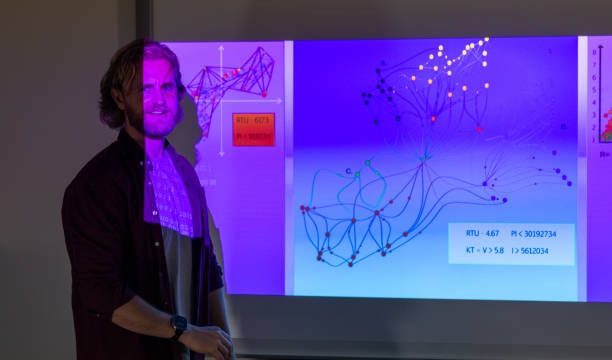
In the ever-evolving landscape of education, the quest for effective student engagement continues to be a focal point for teachers and administrators alike.
One powerful tool that has emerged in this pursuit is student assessment.
While assessment often conjures images of tests and grades, it can be so much more. When approached thoughtfully, assessment can serve as a bridge, connecting students to their learning experiences in meaningful ways.
The essence of student assessment lies in its ability to provide insights into individual learning styles, strengths, and areas for growth. Rather than being a mere metric for performance, assessments can foster a deeper understanding of each student’s unique journey. This understanding can lead educators to tailor their approaches, making learning more relevant and enjoyable.
A small shift toward balance can make a significant difference in how assessments are perceived. Instead of viewing them as end-of-term hurdles, they can be seen as ongoing conversations about progress. Frequent, low-stakes assessments, such as quick reflections or informal check-ins, can create a culture of openness and support. These moments allow students to express their thoughts and feelings about their learning, paving the way for richer classroom discussions.
When students feel they have a voice in their assessment process, their engagement naturally increases. They become partners in their learning rather than passive recipients of information. This collaborative spirit can transform the classroom environment into a community where everyone feels valued and motivated.
Additionally, incorporating diverse assessment methods can cater to various learning styles. For instance, while some students may excel in traditional written assessments, others might shine in oral presentations or creative projects. By recognizing and embracing these differences, educators can create a more inclusive atmosphere that honors each student’s strengths.
The role of feedback in this process cannot be understated. Constructive feedback, delivered in a timely and supportive manner, can empower students to take ownership of their learning. Instead of focusing solely on what needs improvement, feedback can highlight what students are doing well, encouraging them to build on their successes. This positive reinforcement fosters a growth mindset, where students view challenges as opportunities for learning rather than obstacles.
Creating a feedback-rich environment goes hand-in-hand with fostering a sense of community within the classroom. When students engage in peer assessments, they not only learn to evaluate their work critically but also develop empathy and collaboration skills. These interactions can deepen relationships among classmates, creating a supportive network that enhances overall engagement.
In addition to peer assessments, self-assessment is another valuable tool that promotes reflection and self-awareness. Encouraging students to evaluate their performance against clear criteria helps them identify their strengths and areas for growth. This practice nurtures a sense of responsibility for their learning and cultivates essential skills that extend beyond the classroom.
As educators explore various assessment strategies, it’s essential to maintain a focus on the well-being of their students. The pressure of high-stakes testing can often lead to anxiety and disengagement. By incorporating assessments that are more integrated into the learning process, teachers can alleviate some of this stress. Creating a safe space where mistakes are seen as part of the learning journey can encourage students to take risks and explore new ideas without fear of failure.
Building this sense of safety requires intentionality. Educators can foster a welcoming atmosphere by establishing clear expectations and nurturing open communication. When students feel comfortable expressing their thoughts, they are more likely to engage actively in their learning. This sense of belonging can have a profound impact on their overall academic experience, leading to increased motivation and participation.
Moreover, technology can play a pivotal role in enhancing student assessment and engagement. Digital tools offer innovative ways to collect and analyze data, allowing teachers to gain insights into student progress in real time. Interactive platforms can also facilitate collaborative projects, enabling students to work together, share ideas, and learn from one another.
However, it’s essential to approach technology with balance. While digital tools can enhance learning, they should complement, not replace, the human element of education. Personal connections and relationships remain at the heart of effective teaching and learning.
As we consider the future of student assessment, it’s clear that a holistic approach is key. By recognizing assessment as a tool for engagement rather than a mere evaluation of performance, educators can create more dynamic and inclusive classrooms. This shift not only benefits students but also enriches the teaching experience, fostering a love for learning that lasts a lifetime.
Ultimately, the goal of assessment should be to illuminate the path of learning for every student. By embracing a more comprehensive and thoughtful approach, we can cultivate classrooms where students feel engaged, empowered, and excited about their educational journeys. In this supportive environment, assessment becomes a celebration of growth, a shared experience that brings students and teachers together in the pursuit of knowledge and understanding.
In this way, student assessment evolves from a traditional measure of achievement into a vibrant dialogue about learning, fostering a community where every voice is heard, and every learner is valued. As we continue to explore innovative practices in education, let us remember that the heart of engagement lies in connection, understanding, and the joy of discovery.