In the world of education, the classroom is a vibrant tapestry where different threads of knowledge weave together to create a rich learning experience.
It’s essential to create an environment that not only encourages academic achievement but also nurtures creativity, collaboration, and critical thinking.
Here are some gentle yet effective ideas to help bring lessons together in a harmonious way.
A small shift toward balance can make a significant impact on how students engage with the material. One effective approach to achieving this is through thematic lessons. By choosing a central theme, educators can interlace various subjects, allowing students to see the connections in what they are learning. For instance, a theme like “nature” can encompass science, literature, art, and even mathematics. Students might study ecosystems in science class, read poetry inspired by nature in language arts, create artwork that reflects their understanding of natural landscapes, and analyze data related to environmental changes in math. This integrated approach not only reinforces learning but also encourages students to think critically about how different subjects relate to each other.
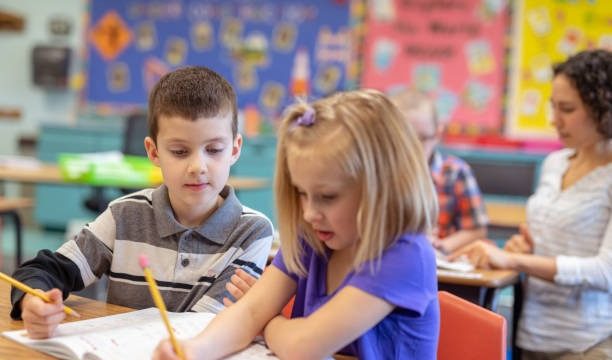
Creating a space for collaborative learning can also foster a sense of community and shared purpose among students. When students work together on projects, they not only learn from the material but also from each other. This peer interaction can lead to deeper understanding and retention of knowledge. One way to encourage collaboration is through group projects that tackle real-world problems. For example, students could work together to design a sustainable garden, integrating lessons from science, math, and art. This hands-on experience allows students to apply their knowledge in a practical setting, making learning more meaningful.
Incorporating mindfulness practices into the classroom can enhance focus and promote a positive learning environment. Simple techniques such as beginning the day with a moment of silence, guided breathing exercises, or even short meditation sessions can help students center themselves and prepare for the lessons ahead. These practices cultivate a sense of calm and clarity, allowing students to engage more fully with their learning. When students feel grounded, they are often more open to exploring new ideas and taking risks in their learning journey.
Another way to bring lessons together is through the use of technology as a tool for creativity and collaboration. Digital platforms can facilitate interactive learning experiences that transcend traditional classroom boundaries. For instance, students can create multimedia presentations or collaborate on digital storytelling projects that incorporate elements from various subjects. This not only enhances their technical skills but also allows them to express their understanding in innovative ways. Moreover, technology can connect classrooms with experts or other classrooms around the world, fostering a global perspective that enriches the learning experience.
Encouraging a culture of curiosity and inquiry is essential in creating a dynamic learning environment. When students feel empowered to ask questions and explore their interests, they take ownership of their learning. Teachers can foster this curiosity by incorporating open-ended questions into discussions, allowing students to explore topics from multiple angles. For example, during a history lesson, rather than simply presenting facts, educators can invite students to debate the implications of historical events and consider different perspectives. This approach not only deepens understanding but also cultivates critical thinking skills.
Creating a visually stimulating classroom can also enhance the learning experience. Thoughtfully arranged spaces with colorful displays, student artwork, and interactive learning stations can inspire creativity and engagement. A classroom that feels inviting and vibrant encourages students to explore and connect with the material in a personal way. Incorporating natural elements, such as plants or natural light, can further enhance this atmosphere, promoting a sense of well-being and focus.
Fostering connections between school and home can create a supportive learning ecosystem. Parents can be invaluable partners in the educational journey. Regular communication through newsletters, parent-teacher meetings, or even collaborative projects can help bridge the gap between home and school. When parents are engaged in their child’s learning, it reinforces the importance of education and encourages students to take pride in their achievements.
Incorporating diverse perspectives and voices into the curriculum can also enrich the learning experience. Teaching students about different cultures, histories, and viewpoints fosters empathy and understanding. This can be achieved through literature, guest speakers, or even field trips that expose students to different experiences. When students learn to appreciate diversity, they develop a broader worldview that enhances their critical thinking and problem-solving skills.
Finally, reflecting on the learning process is a powerful way to solidify knowledge and encourage growth. Creating opportunities for students to share their thoughts on what they have learned, what they found challenging, and how they can improve fosters a growth mindset. Reflection can take many forms, such as journaling, group discussions, or even creative projects that encapsulate their learning journey. This practice not only deepens their understanding but also encourages them to take responsibility for their own education.
In conclusion, bringing lessons together in the classroom is about creating a holistic learning experience that nurtures the mind, body, and spirit of each student. By integrating themes, encouraging collaboration, fostering curiosity, and creating a supportive environment, educators can inspire students to connect with their learning in meaningful ways. As we continue to explore innovative teaching strategies, let us remember the importance of nurturing a love of learning that lasts a lifetime. The classroom is not just a place for academic growth; it is a community where students can flourish and discover the world around them.