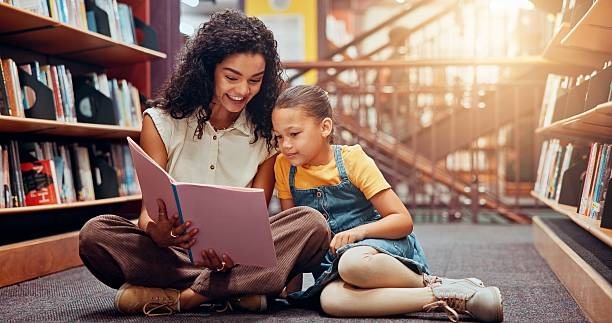
Creating a harmonious classroom environment where small-group work thrives can significantly enhance the learning experience for students.
Small-group activities not only foster collaboration but also promote critical thinking and communication skills.
However, facilitating these interactions can sometimes be challenging. With a few thoughtful strategies, teachers can create a smoother experience that benefits everyone involved.
A gentle invitation to collaboration
One of the first steps toward successful small-group work is to create an inviting atmosphere. Begin by explaining the purpose of the activity clearly. When students understand the “why” behind their tasks, they are more likely to engage fully. Consider framing the activity as a shared journey rather than a chore. This reframing encourages students to view collaboration as an opportunity for exploration and discovery.
It’s important to establish a sense of trust within the group. Encourage students to share their thoughts openly and remind them that every voice matters. You might share a personal story about a time when collaboration led to unexpected insights. This human connection can help students feel more comfortable sharing their ideas.
Setting clear expectations
Once the groundwork is laid, it’s essential to set clear expectations for group work. Discuss the roles each member will play and the goals of the activity. Providing a structured framework helps students feel secure in their roles and understand how they can contribute to the group’s success.
Consider using visual aids, such as charts or diagrams, to illustrate these roles and goals. Visuals can often make abstract concepts more tangible, allowing students to grasp their responsibilities better. By clarifying expectations, you create a roadmap that guides students through their collaborative journey.
A small shift toward balance
Balancing group dynamics is key to a successful small-group experience. Be mindful of the personalities within each group and how they interact. Sometimes, a small adjustment, like mixing students with different strengths or temperaments, can lead to more effective collaboration.
Encourage students to embrace diversity in their groups. When students work with classmates who have different perspectives, they can learn from one another and develop a more nuanced understanding of the subject matter. This balance fosters an environment where creativity can flourish, and students feel empowered to express their ideas.
Fostering open communication
Communication is the heartbeat of any group work. To cultivate an environment of open dialogue, encourage students to practice active listening. Teach them to listen not just to respond but to understand. You might model this behavior by demonstrating how to summarize a peer’s idea before adding one’s own thoughts.
Another effective strategy is to incorporate regular check-ins during group work sessions. These brief pauses allow students to reflect on their progress and share any challenges they may be facing. You can facilitate these check-ins by walking around the classroom, engaging with each group, and providing gentle guidance. This approach not only keeps students on track but also reinforces the importance of collaboration.
Creating a safe space for feedback
Feedback is an essential component of growth, but it can be daunting for students. To make feedback a more comfortable experience, create a safe space where students feel free to express their thoughts without fear of judgment. Encourage a culture where constructive criticism is seen as a valuable tool for improvement rather than a personal attack.
Consider establishing a feedback framework that focuses on specific aspects of the group’s work. For instance, you might ask students to highlight one strength and one area for improvement for each member. This balanced approach encourages positivity while still addressing areas that need attention.
Encouraging reflection
After the small-group activity has concluded, take time for reflection. This is a crucial step that helps students internalize their experiences. Facilitate a class discussion where students can share what they learned about the subject matter and about working in a group.
You might also encourage students to journal about their experiences. Reflective writing can help them process their thoughts and feelings, leading to deeper insights. By making reflection a regular part of your routine, you reinforce the idea that collaboration is a skill that can always be honed.
Embracing flexibility
Finally, it’s essential to embrace flexibility. Not every group will gel perfectly, and that’s okay. Be prepared to make adjustments as needed. If a particular group isn’t functioning well, consider reshuffling the members or altering the task to better suit their dynamics.
Flexibility also extends to your teaching style. Be open to experimenting with different methods of group work. You might try varying the size of the groups or the length of time they have to complete their tasks. By being adaptable, you’ll discover what works best for your students and create an environment where small-group work can thrive.
In conclusion, creating a smooth experience for small-group work in the classroom involves a blend of clear communication, trust, and flexibility. By fostering an inviting atmosphere, setting clear expectations, and encouraging open dialogue, you can help students navigate the challenges of collaboration with confidence. Remember, the goal is not just to complete a task but to nurture a community of learners who support and inspire one another. With these gentle strategies in place, small-group work can become a rewarding and enriching part of your classroom experience.