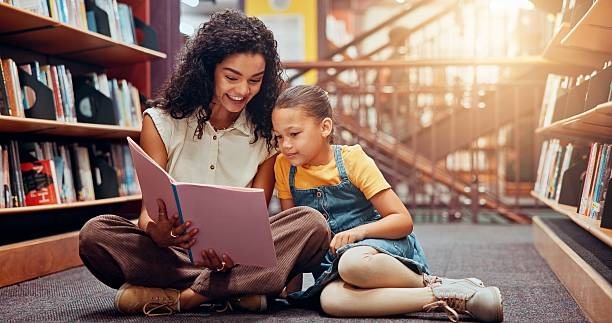
In today’s ever-evolving educational landscape, the importance of fostering a love for learning through exploration cannot be overstated.
As educators, parents, and caregivers, we have the opportunity to create environments that inspire curiosity and encourage students to embark on their own journeys of discovery.
By adopting strategies that promote exploration, we can cultivate a richer, more engaging classroom experience. This approach not only nurtures academic growth but also supports social and emotional development, leading to well-rounded individuals.
Creating a welcoming space for exploration begins with the physical environment. A classroom that feels inviting and stimulating can ignite a student’s imagination. Consider rearranging furniture to create cozy reading nooks or collaborative workspaces that encourage group discussions. Natural light, plants, and colorful displays of student work can also enhance the atmosphere, making it a place where students feel valued and inspired. The goal is to create a setting that sparks curiosity and invites exploration, allowing students to feel at home as they dive into new concepts.
Another essential component is the role of the teacher as a facilitator rather than a traditional instructor. Adopting this mindset allows educators to guide students in their learning journeys without dictating every step. Encouraging questions and providing opportunities for independent research can empower students to take ownership of their learning. When teachers model curiosity and a passion for discovery, students are more likely to mirror that enthusiasm, leading to a more dynamic and engaging classroom environment.
A small shift toward balance can also be achieved through the integration of hands-on learning activities. Experiential learning allows students to engage with materials and concepts in a tangible way, fostering a deeper understanding of the subject matter. Whether it’s through science experiments, art projects, or field trips, hands-on experiences can make learning come alive. These opportunities not only cater to various learning styles but also encourage students to ask questions, explore possibilities, and draw connections between different areas of knowledge.
Incorporating technology thoughtfully can further enhance exploration in the classroom. Digital tools can provide access to a wealth of information and resources, opening doors to new ideas and perspectives. Virtual field trips, interactive simulations, and collaborative online projects can enrich the learning experience, allowing students to explore topics that interest them most. However, it’s important to strike a balance, ensuring that technology serves as a tool for exploration rather than a distraction. Encouraging mindful use of technology can foster critical thinking skills and enhance the overall learning experience.
Emphasizing the importance of collaboration can also encourage exploration among students. Group work allows learners to share ideas, challenge each other’s thinking, and build on their collective knowledge. By working together, students can explore different perspectives and develop a greater understanding of the subject matter. Creating opportunities for peer-to-peer learning can lead to a supportive classroom culture where students feel comfortable taking risks and exploring new concepts without fear of judgment.
Encouraging reflection is another vital aspect of fostering exploration. Providing students with time to think about what they have learned, how they approached their tasks, and what they might do differently next time can deepen their understanding and spark further curiosity. Journaling, group discussions, or even one-on-one conversations with teachers can help students articulate their thoughts and feelings about their learning experiences. This practice not only reinforces the learning process but also encourages a growth mindset, where students see challenges as opportunities for growth.
Cultivating a sense of community within the classroom is essential in supporting exploration. When students feel connected to their peers and teachers, they are more likely to engage in their learning and take risks. Building relationships through team-building activities, open discussions, and shared experiences can create a safe space for exploration. When students feel that they belong, they are more inclined to voice their ideas, ask questions, and dive deeper into their interests.
Celebrating curiosity is a powerful way to reinforce the value of exploration. Recognizing and praising students for their inquisitive nature can motivate them to continue seeking knowledge. This could take the form of spotlighting student projects, sharing discoveries with the class, or even hosting an exploration fair where students present their findings. Such celebrations not only acknowledge individual efforts but also inspire others to embark on their own journeys of inquiry.
As we navigate the complexities of education, it’s essential to remember that learning through exploration is not a one-size-fits-all approach. Each student has unique interests, strengths, and challenges that shape their learning experiences. By remaining flexible and responsive to the needs of each learner, educators can create a rich tapestry of exploration that honors diversity and fosters a love for learning.
In conclusion, the strategies we employ in the classroom can profoundly impact how students engage with their education. By creating an inviting environment, adopting a facilitative teaching approach, and emphasizing hands-on experiences, collaboration, reflection, and community, we can cultivate a culture of exploration that nurtures curiosity and fosters a lifelong love of learning. As we continue to support our students on their journeys, let us remember that exploration is not just a phase of learning but a lifelong endeavor that enriches our understanding of the world around us.