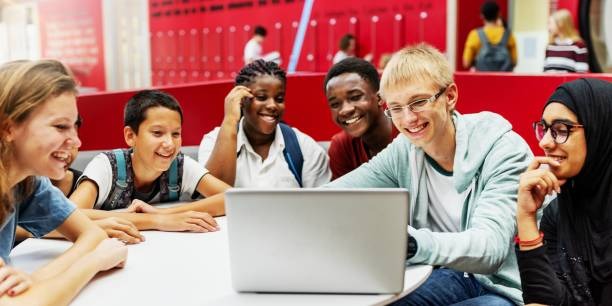
Creating a vibrant classroom environment where students feel encouraged to share their thoughts and ideas is essential for fostering critical thinking and communication skills.
Thoughtful conversations can transform a simple lesson into a rich tapestry of perspectives, allowing students to explore subjects more deeply.
Here, we delve into some effective classroom strategies that can spark these meaningful discussions, ultimately enhancing the learning experience.
A gentle invitation to share
One of the simplest yet most effective ways to encourage thoughtful conversation is by creating an atmosphere where students feel safe and welcomed to express their ideas. This can begin with a gentle invitation to share. Instead of a direct question that might lead to a yes or no answer, consider posing open-ended questions that require more elaboration. For example, instead of asking, “Did you like the book?” you might ask, “What feelings did the book evoke in you?” This subtle shift invites students to delve deeper into their thoughts and emotions, fostering a richer dialogue.
Creating small groups for connection
In larger classrooms, some students may feel intimidated when it comes to sharing their ideas in front of their peers. To help alleviate this, consider breaking the class into smaller groups. This small shift toward intimacy can cultivate a more comfortable space for students to express themselves. In these smaller settings, encourage students to discuss their thoughts on a specific topic or text. This format not only allows everyone a chance to speak but also promotes active listening, as students learn to value each other’s contributions.
The power of reflective pauses
In the hustle and bustle of classroom discussions, it can be easy to overlook the power of silence. Incorporating reflective pauses into conversations can create an invaluable opportunity for students to process their thoughts before responding. After asking a question, give students a moment to think. This brief silence can feel uncomfortable at first, but it often leads to more thoughtful responses. Students appreciate having the time to consider their answers, leading to deeper engagement with the material and each other.
Encouraging diverse perspectives
Embracing diversity in the classroom can significantly enrich conversations. Encourage students to share their unique backgrounds and experiences, allowing them to see topics from multiple viewpoints. This can be achieved through structured activities, such as having students share personal stories related to the lesson or discussing current events from different cultural perspectives. By fostering an environment where diverse opinions are not only welcomed but celebrated, you create a rich tapestry of discussion that broadens everyone’s understanding.
Using literature as a springboard
Books and stories can serve as wonderful catalysts for conversation. When students read a piece of literature, they are often confronted with complex characters and situations that mirror real-life dilemmas. After reading, facilitate discussions around the themes, characters, and moral questions presented in the text. Ask students how they might react in similar situations or how the story resonates with their own lives. This approach not only deepens comprehension but also encourages students to think critically and empathetically.
Modeling thoughtful conversation
Teachers play a crucial role in setting the tone for classroom discussions. By modeling thoughtful conversation, you can demonstrate how to engage respectfully and meaningfully with others. Share your own thoughts on a topic, but also show how to listen actively and respond to others. Acknowledge different viewpoints and express gratitude for diverse opinions. This modeling creates a culture of respect and curiosity, encouraging students to engage in thoughtful dialogue with one another.
Incorporating technology mindfully
In today’s digital age, technology can be a powerful tool for sparking conversation. Online discussion boards or collaborative platforms can allow students to share their thoughts in a different format, appealing to those who may feel shy in face-to-face discussions. Encourage students to post questions or insights related to the lesson, allowing for asynchronous conversations that can be just as enriching. However, it’s essential to guide students on mindful usage, ensuring that technology enhances rather than detracts from the personal connections they make with each other.
Promoting inquiry-based learning
Inquiry-based learning invites students to take the lead in their education, encouraging them to ask questions and explore topics of interest. This strategy naturally leads to thoughtful conversations, as students engage with their inquiries and share findings with peers. Create a classroom environment that values curiosity and exploration, allowing students to pursue questions that intrigue them. This approach not only sparks dialogue but also instills a lifelong love of learning.
Celebrating the art of listening
While speaking is an essential part of conversation, listening is equally vital. Teach students the importance of being active listeners. Encourage them to not only hear what is being said but to engage with it thoughtfully. This can be practiced through activities that require summarizing what others have said or building upon their ideas. By celebrating the art of listening, you create a more balanced conversation where all voices are valued.
Nurturing a growth mindset
Fostering a growth mindset in the classroom can also enhance the quality of conversations. Encourage students to view challenges as opportunities for growth rather than obstacles. When students feel empowered to express their thoughts, even if they are uncertain or evolving, they are more likely to engage in meaningful discussions. Remind them that it’s okay to change their minds or to ask questions that may not have clear answers. This attitude nurtures an open and supportive environment where thoughtful conversation can flourish.
Creating a culture of respect
Finally, it’s essential to cultivate a culture of respect within the classroom. Establish ground rules for discussions that emphasize kindness, understanding, and the value of differing opinions. When students feel respected and valued, they are more likely to participate actively and share their thoughts openly. This culture of respect not only enhances conversations but also contributes to a positive classroom environment where everyone feels included.
In conclusion, sparking thoughtful conversations in the classroom is an art that can be nurtured through various strategies. By creating a welcoming atmosphere, embracing diversity, and modeling respectful dialogue, educators can cultivate a space where students feel empowered to share their ideas. With these gentle approaches, classrooms can become vibrant hubs of discussion, fostering critical thinking and connection among students.